At its heart, Bluetti FridgePower is a compact backup battery just for refrigerators. It isn’t meant to run your whole house or power your next camping trip. It just keeps your fridge cold, period.
And honestly, that’s huge. Fridges are essential—nobody wants to toss hundreds of dollars of food because of a power blip. Most regular power stations can’t keep a fridge going for more than an hour or two, or they make you jump through hoops to get things working. FridgePower fixes this. It’s got a strong AC output, does fast automatic switchover (so your fridge doesn’t flinch), and you can add extra batteries if you want longer backup.
Design and Usability
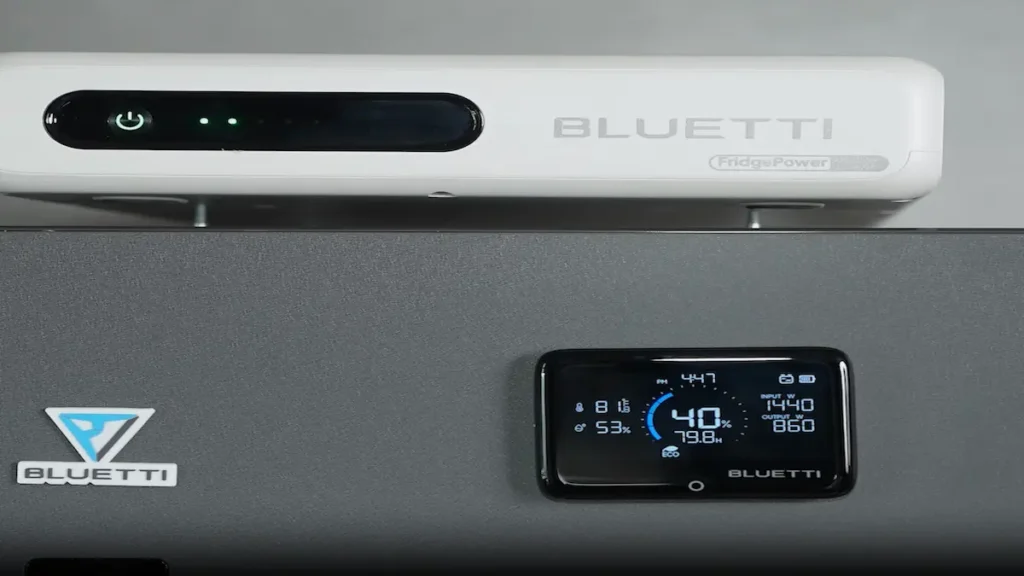
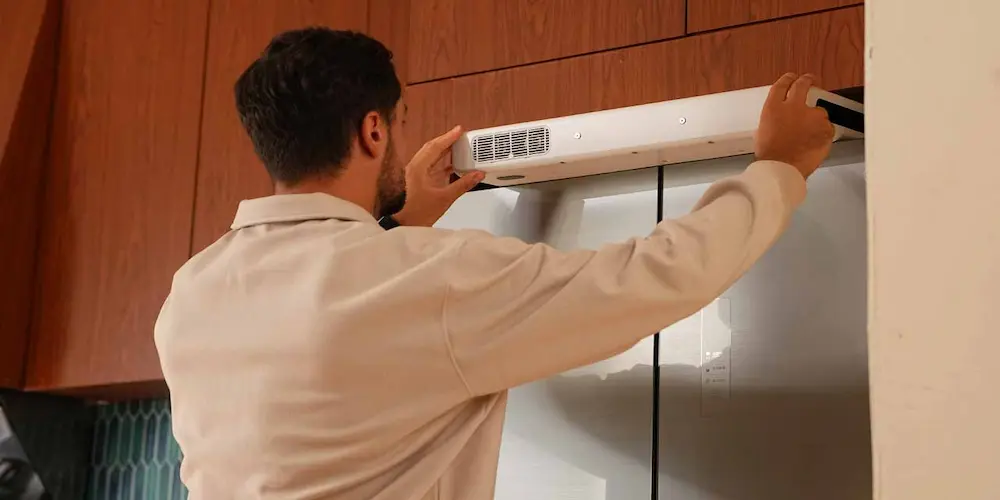
FridgePower isn’t a one-size-fits-all box you stick wherever—it’s pretty sleek and designed to fit right near your fridge. You can set it on the floor or hang it on the wall, so it blends in with the kitchen instead of sticking out like a sore thumb. In a blackout, it reacts instantly. You don’t have to scramble around with cords or switches—the UPS kicks in within milliseconds, and your fridge just keeps humming along like nothing happened.
Setup’s a breeze. And once you’re up and running, the Bluetti app lets you see exactly what’s going on: check battery, get alerts, all from your phone, whether you’re at home or out.
How Does It Actually Perform?
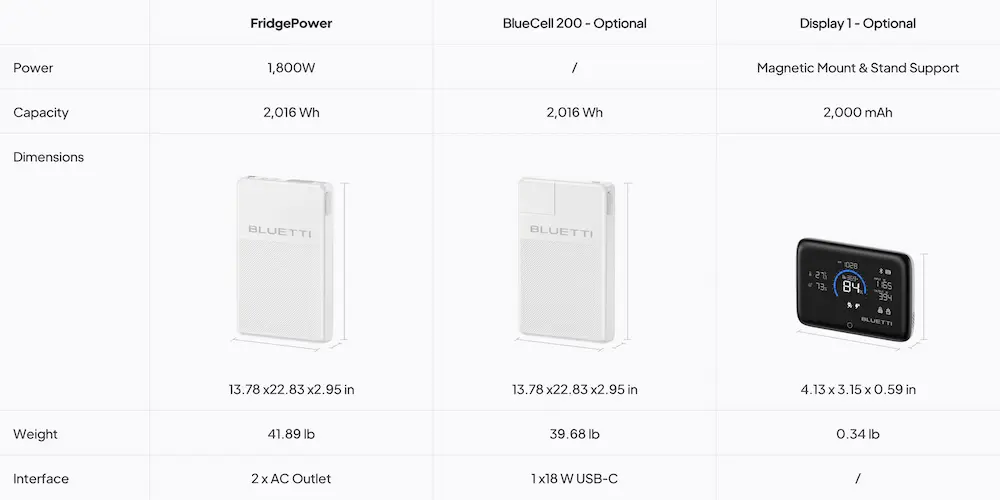
Specs are one thing, real-world use is another. FridgePower starts with a 2,016Wh battery—you’ll get several hours of fridge life right out of the gate. Need more? You can add battery modules and take it all the way to 8kWh, which means you’re set for really long blackouts or can even cover more devices.
I’ve seen FridgePower in action during an unexpected outage. The fridge didn’t blink. No temperature drop, no weird noises, just smooth, silent backup. There’s none of that irritating rumble you get from gas generators, and you don’t have to deal with fuel or fumes.
For anyone who’s lived through the headache of a blackout, that silence and reliability is a game-changer. It’s nothing like those noisy portable stations or old-school generators that shake the whole house.
Smart Features You’ll Actually Use
Backup power is great, but FridgePower comes with some handy extras. The app lets you:
- Watch the battery in real time
- Get pings when it’s running low or is topped up
- See how much power you’re using
- Connect alerts with Alexa or Google Assistant, if you’re into smart homes
Instead of guessing when to charge, you know exactly what’s going on. You can figure out if you need an extra battery or manage things on the spot.
Price and Value — Is It Worth It?
FridgePower is up on Bluetti’s official website, but prices shift with sales and bundles—definitely check for the latest price.
Sure, it costs more than those entry-level, do-everything power stations. But this isn’t a generic power brick. It’s built just to protect your food and keep things calm, quietly and cleanly.
Side by side with regular inverter generators or budget batteries, FridgePower nails it where they struggle. If your family depends on refrigeration—whether at home, at a cabin, or for a second fridge in the garage—the investment makes sense.
Pros and Cons
What’s Awesome:
- Custom design for fridge backup
- Instant UPS switch (15ms), no delays
- Expandable up to 8kWh for marathon outages
- App-based monitoring and alerts
- Safe, long-lasting LiFePO₄ battery
- Quiet and clean—no gas, no noise
Would Be Better If:
- The upfront price is a little higher than basic options
- Not a ton of extra output ports (focused on fridge + essentials)
- You buy extra batteries separately
Honestly, this thing is a straight-up win for anyone who needs quiet, dependable fridge backup, especially if you live somewhere with sketchy power.
Quick FAQs
Can it run more than one fridge?
Yep, just link more battery modules and stay within the power limits.
Is it safe indoors?
Absolutely. LiFePO₄ batteries run clean—no fumes, safe for inside.
Does it work with solar?
Yes—hook up compatible solar panels and you’re good to go for off-grid or for topping up without the grid.
Final Thoughts
Bluetti FridgePower stands out because it solves the one problem lots of folks have during outages: keeping food safe and life normal. Old generators can’t keep up; generic power banks flake out. FridgePower just quietly steps in and handles your fridge like a pro.
So if you want peace of mind—and don’t want dinner plans ruined next time the power goes out—this thing delivers. Curious about the price or want the full details? Check Bluetti’s site and see if it’s the right fit. When you need backup that’s quiet, automatic, and made for real life, FridgePower’s hard to beat

 FAQs
FAQs