Solar energy systems are often promoted with absolute promises of no electricity bills or significant savings with fast payback periods. But the actual value can differ greatly depending on the region and the time of installation.
To cut through the marketing claims, it helps to look at real data.
In a publicly shared one-year case study, YouTube creator Shelby Church documented the results of installing solar panels on her Airbnb property in Palm Springs, California. Her experience provides a rare, transparent look at actual solar costs, energy production, utility bills, and return on investment in one of the most expensive electricity markets in the United States.
This article breaks down that case study and expands on it with expert analysis from Top Solar Picks, helping homeowners understand what these results really mean — and whether solar makes sense for their situation.
Why This Case Study Matters
Most solar content online relies on estimates or installer projections. This case study is different because it includes:
A full year of post-installation utility bills
Actual system cost and production data
Real net metering credits
Clear before-and-after comparisons
That makes it especially useful for homeowners asking one core question:
Is solar actually worth it?
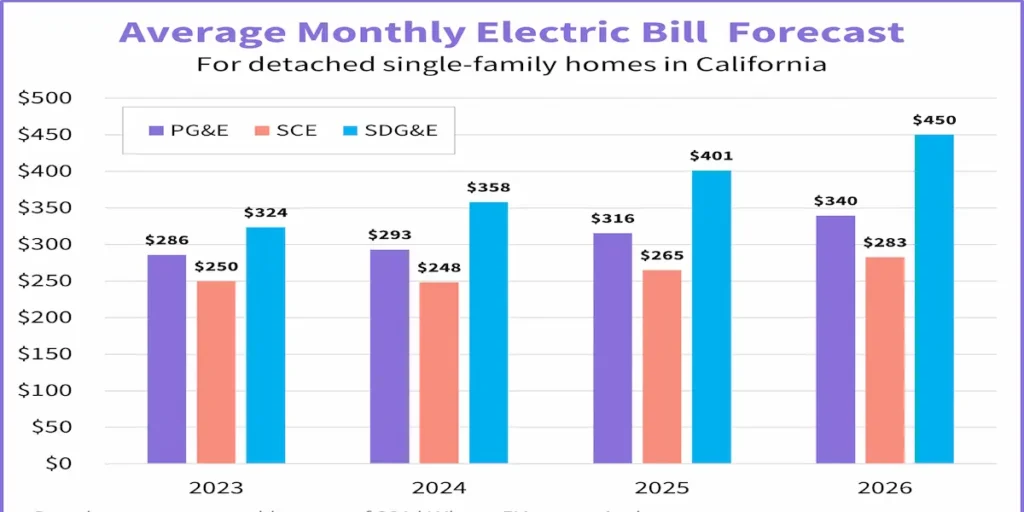
The Problem: Extremely High Electricity Bills in the California Desert
Operating a home — especially a short-term rental — in the California desert comes with a major challenge: electricity costs.
Summers in Palm Springs drag on, and the heat just doesn’t let up. Air conditioning never gets a break. Throw in a pool pump and a hot tub that run all year, and the power bill goes through the roof.
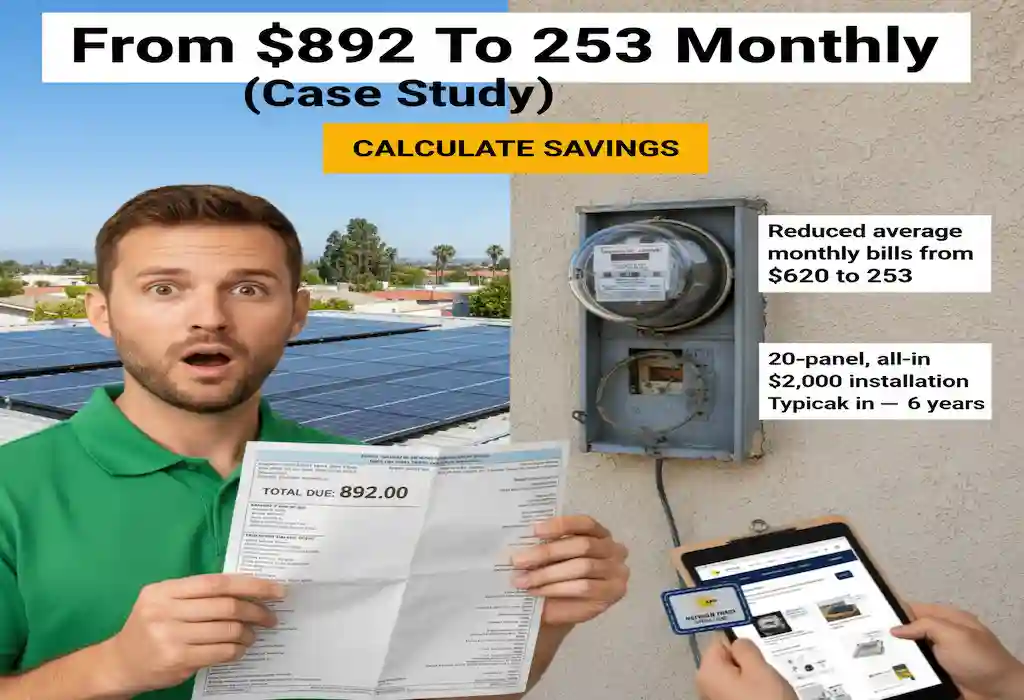
At this place, the electric bill hit $892 in June 2022. That’s a huge number for a small house, and honestly, it made it obvious—paying that much for energy just can’t work forever.
Solar System Cost and Setup
The solar system installed on the property cost $20,000, including:
Notably, battery storage was not included. At the time, batteries often cost around $8,000 per unit, and many homes require more than one to meaningfully offset nighttime usage.
The system was installed under California’s NEM 2.0 net metering program, which had a major impact on its financial performance.
NEM 2.0 vs NEM 3.0: Why Timing Changed Everything
California’s net metering rules fundamentally shape solar economics.
What Was NEM 2.0?
NEM 2.0 let homeowners earn credits for any extra solar power they sent back to the grid, and those credits were almost as valuable as the price they paid for electricity. That made going solar a no-brainer, even if you didn’t have a battery.
What Changed With NEM 3.0?
Then, in April 2023, California rolled out NEM 3.0. The new rules slashed the value of those credits. Now, utilities pay way less for your extra solar power—just a fraction of what you pay to buy electricity.
Who Benefits From Each?
- NEM 2.0 really worked best for people without batteries.
- With NEM 3.0, you get the most out of your system if you have a battery installed.
How ROI Timelines Shift
Back under NEM 2.0, you’d often get your money back in four to six years, especially in places where electricity is expensive. With NEM 3.0, if you don’t have a battery, you’re probably looking at eight to twelve years for payback. If you’ve got a battery, you can still see a pretty solid return.
Solar System Size and Energy Production
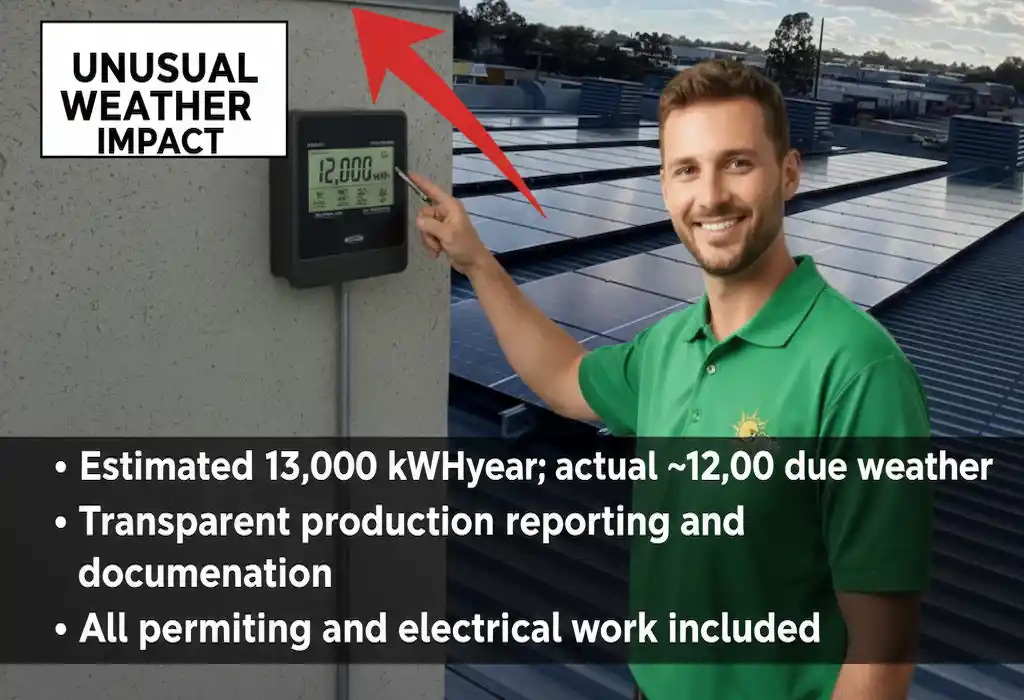
Because of the way the roof was laid out, the solar system ended up a bit smaller than what would’ve been perfect. The plan was for it to generate about 13,000 kWh per year. But thanks to an unusually rainy year, it only managed around 12,000 kWh.
From the start, it was understood that this system would reduce electricity costs — not eliminate them entirely.
Do Solar Panels Eliminate Your Electric Bill?
Short answer: no.
If your home’s still hooked up to the grid, you’ll always have to pay some fixed utility fees. Plus, unless your solar setup covers every bit of electricity you use, you’ll end up buying power from the utility now and then.
Solar is best understood as a bill reduction tool, not a magic switch that turns utility bills off.
Electricity Costs Before Solar
Before solar installation, the property averaged about 1,400 kWh per month in electricity usage. For a small home, the bills were shockingly high — but typical for desert climates where cooling dominates energy demand.
What Changed After Solar Was Activated
The system was activated midway through January, making February the first full month with meaningful solar impact.
In February, the electric bill dropped from $557 the previous year to $280, an exact 50% reduction.
From that point forward:
Average Monthly Costs
Before solar: $620
After solar: $253
That represents a 60% reduction, which is well above national averages.
Annual Savings Breakdown
Over a full year:
That’s approximately $4,500 in annual savings.
At that rate, the system’s estimated payback period is 4.4 years. Everything after that is long-term savings.
Long-Term Solar Savings (30-Year Outlook)
Over a 30-year lifespan:
That’s a savings of roughly $133,000, even before accounting for inflation. When inflation is included, projected savings exceed $200,000.
Selling Power Back to the Grid: How Much Did It Help?
Over the year, the system exported about $705 worth of electricity back to the grid.
Interestingly, most of that export value did not occur in summer. Despite longer days, electricity usage remained high due to:
Constant air conditioning
Pool and hot tub operation
Keeping indoor temperatures below 90°F to prevent damage to wood, drywall, and finishes
Under NEM 3.0, that same export value would likely be closer to 25% of the amount credited under NEM 2.0.
Expert Analysis: What This Case Study Really Tells Us
Why Palm Springs Is a High-ROI Solar Market
Palm Springs combines extreme solar exposure with very high electricity rates. Every kilowatt-hour produced replaces expensive grid power, dramatically accelerating payback.
Why a 60% Reduction Is Above Average
Most U.S. systems reduce bills by 30–50%. A sustained 60% reduction without batteries is exceptional and reflects favorable policy, usage patterns, and climate.
How Usage Patterns Skew Results
Homes with pools, heavy AC use, and daytime energy demand align perfectly with solar production. Short-term rentals often fall into this category.
Why These Results Don’t Translate Everywhere
In cooler, lower-cost regions, the same system would produce similar energy but far less financial impact.
Solar ROI Comparison by Location
Top Solar Picks Recommendations Based on This Case Study
Estimated Savings If You Installed a Similar Solar System
-
System cost: $20,000
-
Annual production: ~12,000 kWh
-
Average bill reduction: ~60%
-
Estimated annual savings: ~$4,500
-
Estimated payback: 4–6 years (high-cost markets)
Related Posts
Frequently Asked Questions
Are solar panels worth it in California in 2026?
Yes — especially in high-rate areas, but batteries are increasingly important.
How long do solar panels take to pay for themselves?
Typically 4–6 years in high-cost markets and 7–12 years elsewhere.
Is NEM 3.0 bad for homeowners?
Not bad, but it reduces export value. Batteries help offset this.
Do Airbnb and rental properties benefit from solar?
Yes. High and consistent energy use often leads to faster payback.
Should I get a battery with solar?
If installing solar today in California, a battery is strongly recommended.
Final Verdict: Is Solar Worth It?
This case study represents one of the stronger examples of residential solar ROI in a high-cost utility market. While results vary by location, it clearly shows that in the right conditions, solar can dramatically reduce long-term energy costs.
Editorial Note
This article is based on publicly shared information from Shelby Church’s solar case study, with independent analysis and commentary by Top Solar Picks.
Disclaimer
Top Solar Picks is an independent informational site. Savings vary by location, utility rates, and system size. Always consult a licensed solar professional.





 FAQs
FAQs