Why the Right Inverter and Battery Matter Now More Than Ever
These days, we rely on electricity for just about everything at home. It’s not just about lights and a fridge—think heating, cooling, charging your car, and all those smart gadgets. Power outages aren’t just an inconvenience anymore; they can disrupt your life. So, picking the right inverter and battery for your solar setup isn’t just a technical choice—it’s a big step toward keeping your energy costs steady and your home running, no matter what.
More and more homeowners want systems that do more than just store solar power. They want backup when the grid goes down, and they want to trim electricity bills every month. The right system can keep your whole house humming along, but the wrong one? That leads to disappointment—shorter battery life, spotty backup, or just not enough power when you need it.
If you want a solar inverter and battery system that really fits your home, you can’t just look at glossy product specs. You need to know how your household actually uses energy.
Understanding How Solar Inverters and Batteries Work Together
The Inverter: The Brains of the Operation
The inverter is at the heart of the system. It takes electricity from your solar panels and turns it into power your appliances can use. It also controls how energy moves between your panels, your batteries, and the grid. In hybrid setups, the inverter decides how efficiently you charge and use your batteries.
Get the inverter size wrong, and you’ll notice—unstable power, appliances acting up, maybe even safety issues if the power goes out. But when you get it right, everything just works.
Battery Storage: The Key to Energy Independence
Batteries are what let you use solar power at night or when the grid’s down. When there’s an outage, your battery steps in and keeps things running. Some advanced setups even let you save on bills by storing solar energy during cheap periods and using it when rates spike.
Honestly, for a lot of people, the battery is what turns solar from a way to save a little to a real shot at energy independence.
How to Calculate the Right Battery Size for Your Home
Real Energy Use Beats Marketing Hype
Forget the marketing claims. What matters is how much electricity your home actually uses. The smartest way to size your system? Look at your electricity bills. Check your average daily use, and don’t forget nighttime consumption.
Say your house uses about 25 kWh a day, and maybe 12–15 kWh of that at night. In that case, you want a battery that holds a bit more than your overnight use. That way, you’ve got backup you can count on, and your battery lasts longer.
Why Oversizing and Undersizing Both Cause Problems
A battery that’s too small drains fast during outages and wears out quicker. Go too big, and you’ll spend way more upfront without getting your money’s worth. The sweet spot is a battery that matches how you actually use power.
Lithium Battery vs Lead Acid Inverter Battery — Which Is Better in 2026?
Why Lithium Batteries Are Becoming the Global Standard
If you’re comparing lithium and lead acid batteries, lithium is now the go-to for most home solar setups. You get more usable capacity, a longer lifespan, and zero maintenance. Plus, lithium batteries keep voltage steady, which means your inverter can do its job better.
Lithium iron phosphate (LiFePO4) batteries stand out for home use—they’re safe and tough.
Where Lead Acid Still Works
Lead acid batteries aren’t extinct. For homes that only need backup once in a blue moon or have a tight budget, they can still make sense. Just know that if you cycle them often, they wear out much faster than lithium.
If you’re planning to use your solar battery every day, lithium will probably end up costing you less over time, even if it’s pricier at the start.
Designing a Whole Home Backup Battery Inverter System
What Does “Whole Home Backup” Actually Mean?
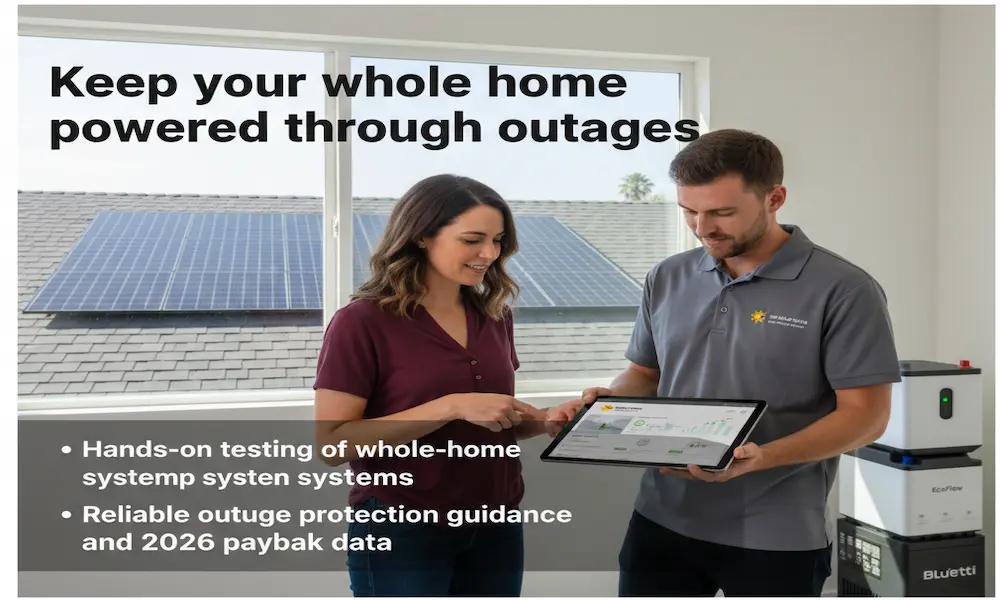
If you want to keep your whole house powered during an outage—including AC, fridge, cooking, lights, and electronics—you need to match your inverter’s output and your battery’s storage to your actual needs.
You also have to think about peak loads—stuff like air conditioners and refrigerators need a big burst of power to start up, way more than they use when running normally.
Don’t Ignore Surge Power
Some appliances can draw two to five times their normal power when they kick on. If your inverter can’t handle that surge, things will trip or just shut off. So, you need an inverter with enough muscle to handle those real-world demands.
Future Proofing Your Solar Battery Investment
People use more energy year after year, and it’s not slowing down. If you add an electric vehicle, get a heat pump, or switch to electric water heating, your electricity use can jump fast. That’s why it just makes sense to pick a system you can expand later. Start with what you need now, then add batteries or more solar panels down the road.
Smart Energy Management and AI Optimization
Today’s systems come with software that keeps an eye on your energy use and handles a lot of the thinking for you. These tools help you use more of your own solar power and pull less from the grid—so you waste less and save more.
Cost vs Value — Thinking Beyond Upfront Price
Why Lifetime Cost Matters More Than Purchase Price
Don’t just look at the sticker price. What really matters is what you pay over the life of your system. Lithium batteries stick around two to four times longer than old-school lead acid ones. When you factor in replacements, those cheaper batteries start to look a lot less cheap.
It’s not just about energy savings, either. Outage protection and reliability matter too, and all of that adds up in the long run.
The Most Common Mistake Homeowners Make
Buying Based on Marketing Instead of Usage
A lot of folks get sucked in by big brands or flashy numbers and forget to check if the system actually fits their real needs. The best systems work with your home’s usage patterns, your local climate, and how often you lose power. That’s what makes a setup reliable—not just a fancy ad or a well-known logo.
The Future of Home Solar Storage
Increasing Battery Capacity as the New Standard
Battery sizes for homes keep getting bigger every year. As battery tech gets better and prices drop, full-home backup is on its way to becoming the norm in a lot of places.
Frequently Asked Questions About Solar Inverter and Battery Systems
What’s the best inverter battery for home solar?
Honestly, the “best” battery comes down to your home’s energy habits. Are you just trying to keep the lights and fridge running during an outage, or do you want to back up the whole house? If you’re looking around in 2026, most folks go with lithium iron phosphate (LiFePO4) batteries. They last a lot longer than old-school lead acid, you get more usable power, and you barely have to think about maintenance.
For most people, the sweet spot is a hybrid inverter paired with a lithium battery that covers your nighttime use. That way, you stash away solar energy during the day and run the house off the battery when the sun’s down or the grid’s out. If you’ve got a big house, an electric car, or you deal with outages all the time, you’ll probably want a bigger battery bank for full backup.
How long do solar inverter batteries last?
Battery life depends on a few things—what kind of battery you’ve got, how often you use it, and even where you live. These days, lithium solar batteries usually stick around for 8 to 15 years if you use them daily. The good ones handle thousands of charge cycles, so they’re a solid choice for the long haul.
Lead acid batteries? They usually hang in there for about 2 to 5 years if you’re cycling them every day. They just can’t handle deep or frequent discharges like lithium can, so they wear out faster. No matter which type you choose, good installation, the right size, and managing the temperature make a big difference in how long your battery will last.
Is lithium better than lead acid for solar backup?
Most of the time, yeah—lithium is the way to go for solar backup. You get more usable energy out of every charge, the batteries last longer, and they’re pretty much maintenance-free. No topping off water or scrubbing terminals. Plus, they charge up faster.
Some people still pick lead acid because the upfront price is lower. But if you look at the big picture—how many times you’ll have to replace them and how they perform over the years—lithium almost always ends up being the better deal. If you want daily solar power or whole-house backup, lithium beats lead acid.
How big should my solar battery be?
You want a battery that matches how much electricity you use when the sun isn’t shining—mostly at night. A good rule of thumb is to go a little bigger than your average overnight use. That way, you’ve got a cushion for cloudy days or surprise outages, and your battery won’t wear out as quickly.
Let’s say your house eats up about 12 kWh overnight. A 15 to 18 kWh battery usually covers it and gives you some breathing room. If you only care about keeping a few things running, you can get away with a smaller battery. But if you want to be fully independent, go bigger so you can handle everything for a longer stretch.
Can a battery power a whole house?
Absolutely—if you design the system right. With the right inverter and a big enough battery, you can keep everything running: AC, fridge, lights, electronics, even your car charger if you have one.
The trick is making sure the inverter can handle those big bursts of power when things like the AC kick on, and the battery has enough juice stored up to get you through the night or a long outage. These days, plenty of solar battery setups are made specifically for whole-home backup and energy independence.
Final Top Solar Picks Guidance
Picking the right inverter and battery system is all about balance—performance, cost, and what you’ll need in the future. Homeowners who take the time to look at their actual usage, pick solid battery chemistry, and get a properly sized inverter end up with a solar setup that really works for the long haul.
For most homes today, lithium-based hybrid systems hit the sweet spot: reliable, high-performing, and built to last.

 FAQs
FAQs