
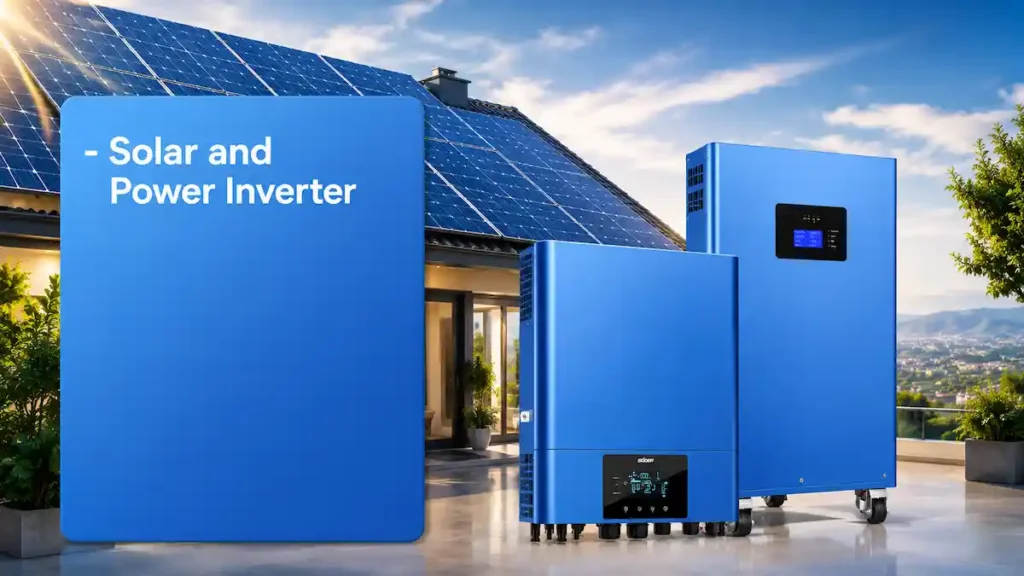
Solar and power inverters are essential for converting battery and solar energy into usable electricity for homes, RVs, cabins, and backup systems. Whether you need a reliable inverter for off-grid living, emergency backup power, or a complete solar setup, choosing the right model can significantly improve efficiency and energy reliability.
In this guide, we compare the best solar and power inverter options in 2026 based on performance, battery compatibility, efficiency, surge capacity, and real-world usability. We reviewed popular solutions from brands like EcoFlow, Bluetti, Renogy, and Growatt to help you find the best option for your energy needs.

Why You Can Trust Top Solar Picks
We compare real-world solar performance, charging reliability, long-term user experiences, and practical testing — not just manufacturer claims. Products from brands like EcoFlow, Bluetti, Jackery, and Eco-Worthy are cross-checked using actual usage data and customer feedback.
Learn more →What Is an Off-Grid Inverter?
An off-grid inverter is a power inverter that does not depend on utility power. It inverts DC (direct current) power from solar panels or battery banks to AC (alternating current), the type that your home appliances use. Unlike grid-tie inverters, they do not need the electrical grid, making them perfect for living in remote areas, camping in recreational vehicles, or being part of a dependable backup system.
There are some new off-grid inverters with smart features such as app control, battery connection, surge protection, and UPS functionality.
We also considered value, build quality, and brand reputation — with a focus on EcoFlow, Bluetti, and Anker, all of which offer advanced, user-friendly solutions.
Best Solar and Power Inverters Compared in 2026
| Model | Power Output | Voltage Support | Best For | Price Range |
|---|---|---|---|---|
| EcoFlow DELTA Pro | 3600W (Surge 7200W) | 120V/240V | Whole-home backup | $$$$ |
| Bluetti AC200MAX | 2200W (Surge 4800W) | 120V | RVs, cabins | $$$ |
| Anker SOLIX F2000 | 2400W (Surge 3000W) | 120V | Portable setups | $$$ |
| Renogy 3000W Pure Sine | 3000W (Surge 6000W) | 12V/24V DC | DIY installations | $$ |
| Growatt SPF 5000 ES | 5000W | 230V (UK/EU) | Large off-grid homes | $$$ |
How to Choose the Best Solar and Power Inverter
Choosing the right solar and power inverter depends on your energy usage, battery setup, and whether you need backup power for emergencies, off-grid living, RV travel, or full-home solar systems.
Before buying an inverter, consider these key factors:
Power Output
Smaller devices and RV setups may only require a 1000W–2000W inverter, while larger homes often need 3000W–6000W systems to run refrigerators, air conditioners, and power tools.
Pure Sine Wave vs Modified Sine Wave
Pure sine wave inverters provide cleaner electricity and are safer for sensitive electronics such as laptops, TVs, refrigerators, and medical equipment.
Battery Compatibility
Always check whether the inverter supports your battery voltage, including 12V, 24V, or 48V battery systems.
Solar Charging Support
Some modern solar generators and hybrid inverters include built-in MPPT charge controllers for faster and more efficient solar charging.
Surge Capacity
Appliances with motors, such as refrigerators and pumps, require higher startup power. Choose an inverter with enough surge wattage to handle those spikes safely.
Portability vs Permanent Installation
Portable power stations are ideal for camping, RVs, and emergency use, while larger hybrid inverters are better for permanent home installations.
Off-Grid Inverter vs Solar Generator: What’s the Difference?
Many people confuse solar generators with off-grid inverters, but they serve slightly different purposes.
An off-grid inverter is typically installed as part of a larger solar power system and works with external batteries and solar panels.
A solar generator combines a battery, inverter, and charge controller into a portable all-in-one unit designed for backup power, RV travel, camping, and emergency use.
Portable models from EcoFlow, Bluetti, and Anker are popular because they are easier to install and require less technical setup than traditional off-grid inverter systems.
Best Solar Generators and Power Inverters for Off-Grid Living
Finding the best solar generator or power inverter for off-grid living depends on your power needs, portability requirements, battery capacity, and backup goals. Whether you need reliable electricity for a cabin, RV, emergency home backup, or remote work setup, modern solar generators and off-grid inverters now offer faster charging, cleaner pure sine wave output, and improved battery efficiency for long-term energy independence.
Below are some of the best solar generators and power inverter options in 2026 based on performance, reliability, expandability, and real-world usability.
1. EcoFlow DELTA Pro – Best for Home Backup

Featuring a gigantic 3.6kWh capacity (with expansion potential up to 25kWh), this inverter is ideal for residential purposes. This inverter will work with both 120V and 240V outputs, and so it will be US– and Canada-compatible. With a smart app, EV charging, and ultra-speed solar charging, this unit also has an edge of futureproofing.
In Canada? EcoFlow offers faster delivery and local support. Other countries can check if shipping is available to their region.
Get the EcoFlow DELTA Pro from EcoFlow’s official site
2. Bluetti AC200MAX – Best for Cabins & Off-Grid Living
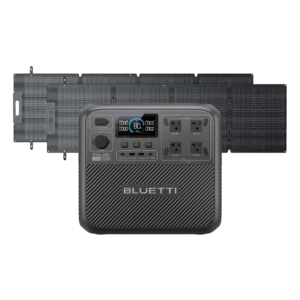
A powerful but compact system with a 2,200W capacity and the ability to extend with additional batteries. Ideal for off-grid cabins or RVs, particularly with Bluetti’s intelligent control app and silent running.
Shop Bluetti’s latest AC200MAX here — often bundled with solar panels for extra value.
3. Anker SOLIX F2000 – Best for Portability & Everyday Use
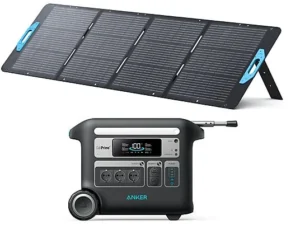
Anker‘s 2400W inverter is compact, lightweight, and easy to use, making it perfect for portable off-grid installations. It solar or wall charges in under 2 hours and features pass-through charging.
Explore Anker’s F2000 on their official page for off-grid users needing mobility.
Voltage Considerations: US, UK, and Canada
- US & Canada: Standard voltage is 120V; homes may also require 240V for heavy appliances.
- UK & EU: The normal voltage is 230V. Ensure that you select an inverter like the Growatt SPF 5000 ES that is set for that range.
Always verify the voltage, frequency (50/60Hz), and whether the plug type will fit when buying inverters.
Setup & Sizing Tips
Choosing the correct size inverter is important:
Small homes/cabins: 2000–3000W
Large off-grid homes: 4000–6000W
RV or travel use: 1000–2400W
Also, ensure the inverter supports your battery bank’s voltage (12V/24V/48V) and has enough surge capacity for appliances like refrigerators or power tools.
FAQs
1. What is the inverter size required to power a small house?
Most small off-grid houses are fine with a 3,000–5,000W inverter. This provides sufficient power for lighting, refrigeration, internet, and small appliances.
2. Can an off-grid inverter be used as backup for a grid-tied house?
Yes, off-grid inverters such as the EcoFlow DELTA Pro perform fantastic for residential backup power, especially during outages.
3. Is a pure sine wave inverter better than a modified sine wave inverter?
Yes. Pure sine wave inverters are more suitable for sensitive electronics and operate more effectively. All the models recommended in this list are pure sine wave inverters.
Final Thoughts
Off-grid living is simpler and more reliable today, owing to powerful, intelligent inverters from leading manufacturers. Regardless of whether you need a compact inverter
for van life or a powerful backup for your house, these are the top off-grid inverters for 2026 that match what US, UK, and Canadian users require. Choose an inverter that fits your lifestyle, energy needs, and local electrical codes. For quality, long-lasting use, and new features, well-known brands like EcoFlow, Bluetti, and Anker offer the best off-grid performance available today. Check promotions and deals from our trusted partners for guaranteed assistance, warranty, and special packages.
Author

John Tanko is the founder of Top Solar Picks and a solar energy researcher whose work has been featured in leading technology and sustainability publications. Learn more on our About page.