For many American homeowners, reliable backup power has become essential. Storms, grid instability, and rising energy costs have created a growing demand for whole-home battery systems. EcoFlow’s DELTA Pro Ultra X steps into that space with a modular design that combines serious output with surprising ease of use.
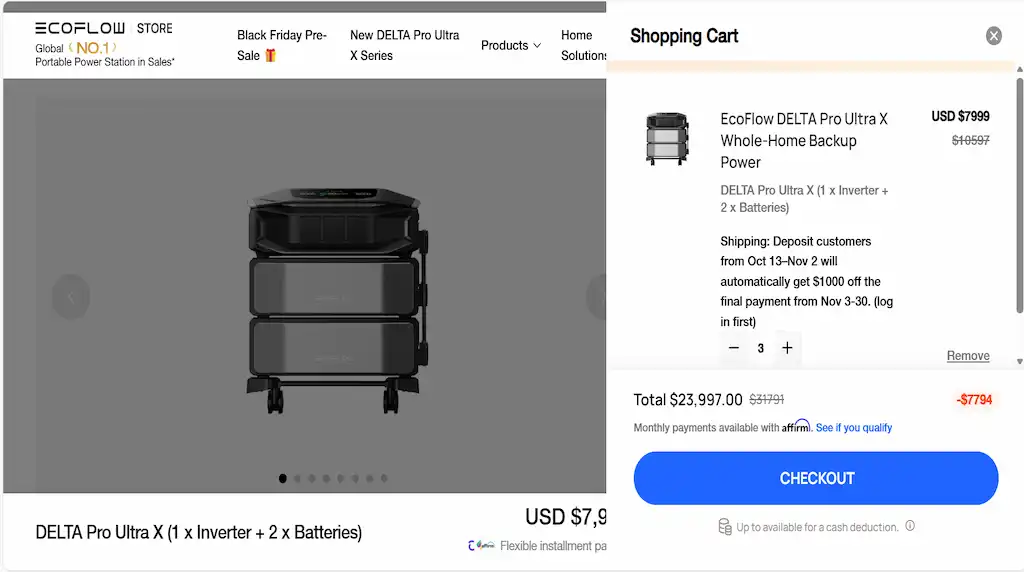
The base package—one inverter and two smart extra batteries—delivers 12 kW of output and 12 kWh of capacity, expandable up to 36 kW / 180 kWh. That’s enough to run an entire home, including high-draw appliances like air conditioners and EV chargers. Priced around $7,999 USD, it’s positioned between portable solar generators and premium wall-mounted systems such as Tesla’s Powerwall 3.
But even the most advanced system is only as good as its installation. Below is a full, practical walkthrough of how the DELTA Pro Ultra X gets installed in a typical U.S. home, including key steps from home energy storage installation to app configuration.
At Top Solar Picks, we test and review the latest solar generators and backup systems to help homeowners choose reliable, long-term power solutions.
The EcoFlow DELTA Pro Ultra X can be purchased through EcoFlow’s official regional websites. Ordering from your local store guarantees authentic products, fast shipping, and manufacturer support.
For convenience, explore regional stores for the EcoFlow DELTA Pro Ultra X:
Step 1: Place Your Order and Confirm Details
Typically, installation gets planned before the technician even lives. If you order the DELTA Pro Ultra X, be sure to give your full delivery address, preferred contact number, and email upon ordering. This way, both the logistics and installation teams can schedule their work without any hiccups.
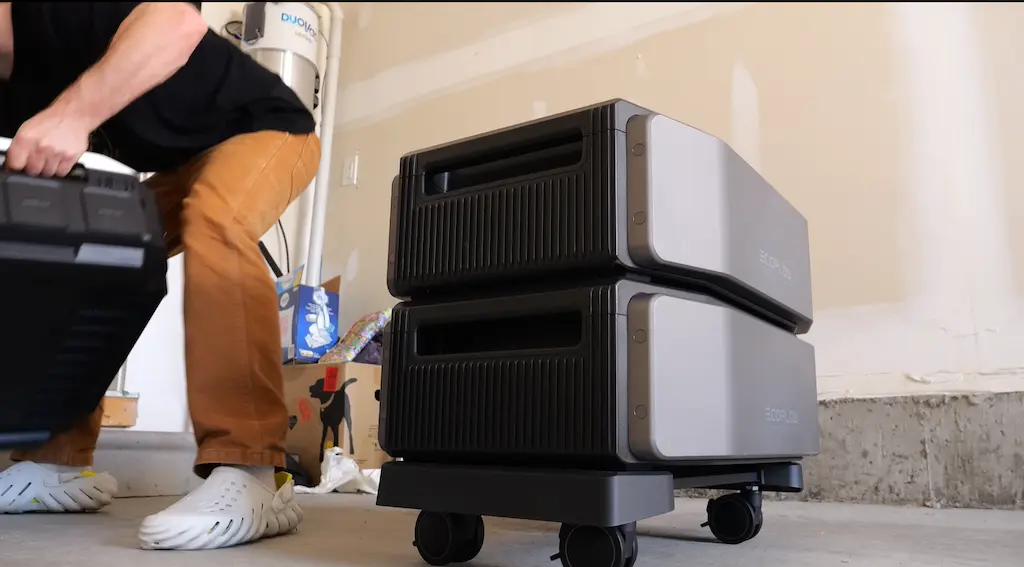
Once the order has been placed, the support team of EcoFlow usually calls the customer within two business days to confirm installation details and dates. Place your inverter and batteries in the preferred location-an ideal garage, utility room, or basement wall that is preferably vented and has clear access to the main electrical panel. After all, good planning now makes the installation of home energy storage installation. For a deeper breakdown of the system’s performance and real-world capabilities, read our EcoFlow DELTA Pro Ultra X Review: A Complete Analysis of the 2025 Whole-Home Backup System.
Step 2: Schedule an Installation Appointment
After purchase confirmation, you’ll receive a scheduling call or email from a certified EcoFlow installer in your region. Most homeowners are offered appointments within one to two weeks.
During this conversation, the installer will ask about:
Your home’s electrical service size (200 A or 400 A)
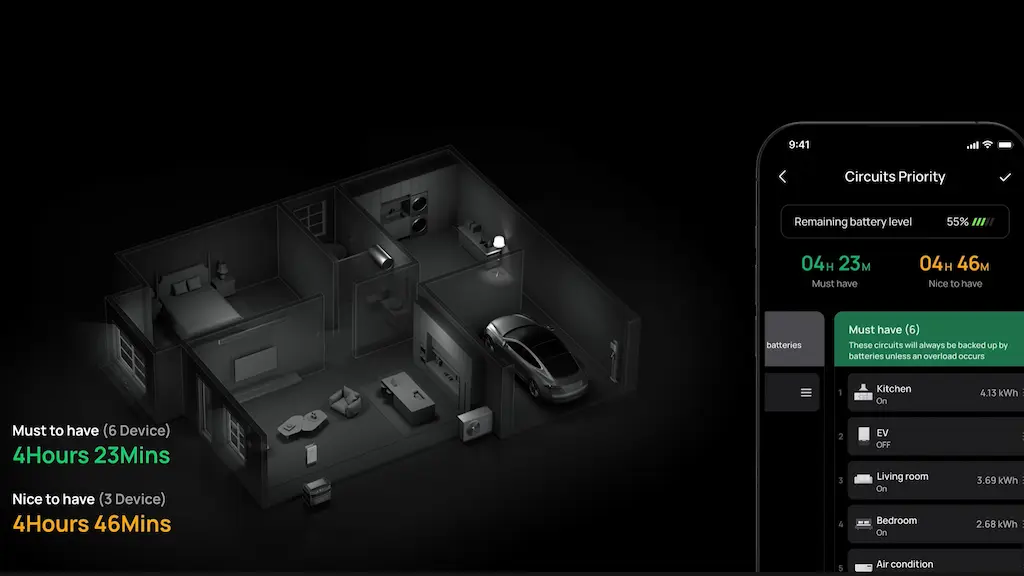
Desired circuits for backup (whole-home vs. essential loads)
Whether you have existing solar or plan to add it later
Following the EcoFlow backup system setup steps ensures your installation is tailored to your home’s needs and meets all safety standards. A precise appointment window is then booked, usually allowing four to six hours for a standard install.
Step 3: Prepare Your Space
After testing, you and the installer will review the final setup. Take a few minutes to verify that essential circuits, refrigerator, lighting, router, and HVAC respond correctly during a simulated outage. The technician will also demonstrate emergency shutdown procedures and firmware update steps.
Once you’re satisfied, you’ll sign an installation completion form and receive warranty documentation. EcoFlow actively requests customer feedback; sharing your experience online not only helps other homeowners but also boosts your credibility if you’re building a presence in the renewable-energy community. These are important steps in the EcoFlow backup system setup steps.
Understanding Performance and Return on Investment
Related Posts
EcoFlow advertises a three-year ROI, estimating up to $6,000 per year in potential savings depending on energy rates and solar integration. These savings come from load shifting—charging the system during off-peak hours and discharging when rates spike.
Real-world data from early adopters shows average daily use powering full households for eight to twelve hours without interruption. With optional expansion batteries, runtime can exceed 24 hours at moderate load.
In the U.S., where grid outages and variable energy pricing are increasingly common, the DELTA Pro Ultra X positions itself as both an emergency solution and a long-term financial investment.
Safety and Compliance Notes
All installations should comply with National Electrical Code (NEC) standards. Most states require licensed electricians for grid-connected systems. Attempting a full DIY installation can void warranties or local permits.
For off-grid cabins or RV setups, EcoFlow offers optional portable configurations, but for whole-home backup the safest route is always professional installation.
Key safety recommendations:
Use a dedicated circuit breaker rated for the inverter’s output.
Avoid direct sunlight and moisture exposure.
Schedule annual inspections to check connectors and firmware updates.
Maintenance Tips for Long-Term Reliability
To keep your DELTA Pro Ultra X operating at peak efficiency:
Inspect connections quarterly. Tighten any loose lugs or terminals.
Keep ventilation paths clear. Dust and clutter can trap heat.
Run firmware updates through the EcoFlow App whenever prompted.
Cycle the batteries every few months to maintain capacity.
Following these small steps can extend battery lifespan beyond the standard warranty period.
What Your Home Can Do With DELTA Pro Ultra X
Many U.S. homeowners install the DELTA Pro Ultra X for different reasons:
Suburban families use it to avoid food spoilage and lost productivity during storms.
Remote workers rely on it to protect home offices and servers.
Solar enthusiasts pair it with rooftop arrays to store excess energy and reduce reliance on the grid.
Because it’s modular, you can start small and add capacity as your energy needs grow. That scalability is a major reason the DELTA Pro Ultra X is being compared to higher-priced permanent systems.
Frequently Asked Questions
Can I install the DELTA Pro Ultra X myself?
Not for a full home connection. A certified installer is required for warranty coverage and safety compliance.
How long does installation take?
Four to six hours for most homes; complex solar integrations may take a full day.
Can it run my whole house?
Definitely. The basic system has a 12 kW output, enough for most of the essential loads in an average home. Expanded systems can reach levels of up to 36 kW, which can compete with industrial levels.
Does it work with solar panels?
Absolutely. The inverter accepts multiple solar inputs and integrates with existing rooftop or ground-mounted arrays.
Final Thoughts
Installing the EcoFlow DELTA Pro Ultra X is a straightforward process once you understand the timeline and technical basics. Order confirmation, scheduling, and professional installation usually take less than two weeks. The result is a clean, silent backup system capable of powering your home through outages or reducing dependence on the grid.
For homeowners seeking a balance of reliability, efficiency, and value, the DELTA Pro Ultra X offers one of the most flexible solutions on the U.S. market today. Whether you’re in hurricane country or simply want predictable energy costs, this system represents a tangible step toward energy independence.
Sharing this guide on social media or linking it from your energy blog can help others understand modern backup power, making it both informative and viral-ready.



 FAQs
FAQs