
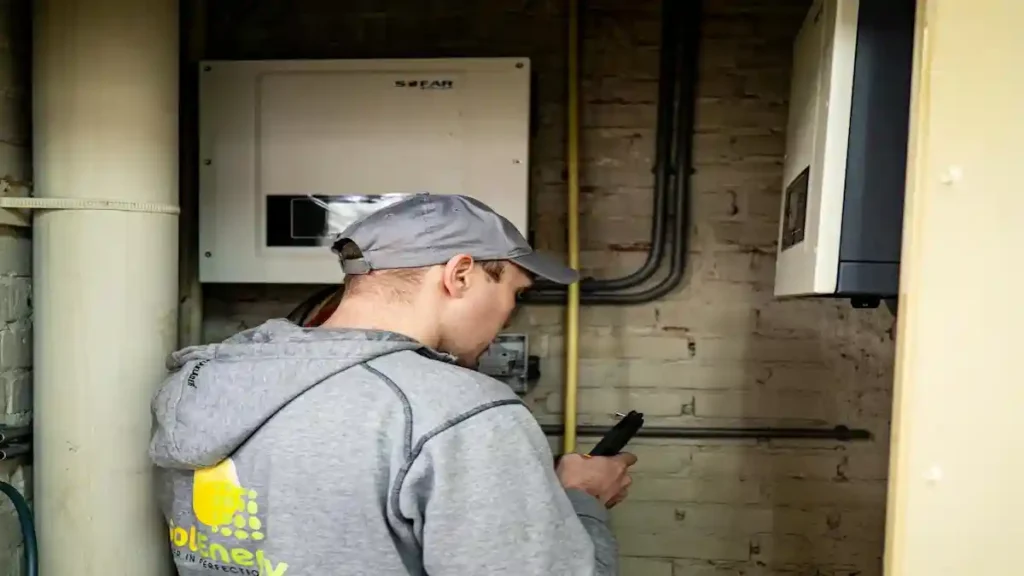
A lot of homeowners are making the jump to renewable energy these days. They want to cut those ever-increasing electricity bills, keep the lights on during power outages, and just run their homes more efficiently. With options like solar panels, home batteries, and full backup power systems, it’s a lot easier—and more affordable—to get reliable, clean energy at home now than it was just a few years ago.
What’s the best renewable energy setup for your place? Well, that really depends on how much power you use, what you’re willing to spend, where you live, and your long-term savings goals. Most folks still go with solar because it can seriously slash your utility bills, and when you pair it with batteries or even a backup generator, you’re set for almost any situation.
Solar Panels Calgary Homeowners: What to Know Before You Install – If you live in Calgary and are considering solar, don’t miss our full guide: Read the complete Calgary solar panel installation guide.
Understanding Home Renewable Energy Systems
At the heart of powering a home with clean energy lies solar panels. Mounted on rooftops or shade-free areas, they collect sunlight and convert it into electricity. In practice, homeowners use this electricity throughout the day, and any excess flows back to the grid—useful credits that offset nighttime or cloudy-day use. This system becomes truly transformative when paired with energy storage solutions like lithium-ion batteries, allowing residents to maintain power even during outages
This guide on Home solar was last updated by John Tanko on May 25, 2026, to ensure accurate and up-to-date information for homeowners and off-grid users.
Why Solar Makes Sense for Homeowners
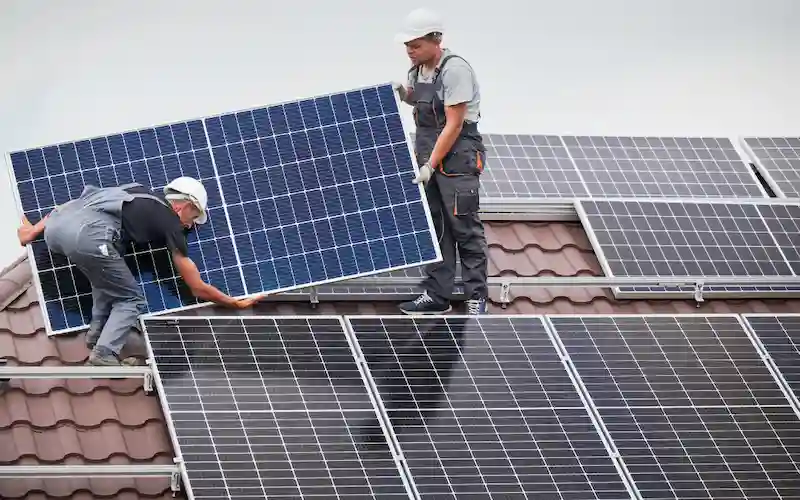
Unlike other renewable energy technologies, solar is distinctive in several ways. One, solar panel efficiency improved dramatically in the last decade, while their price decreased. An average 6 kW on-grid home solar system today can cover significant or whole a home electricity load and recover cost within five to eight years of system installation. Two, due to 30% federally available Investment Tax Credit (ITC) and also state incentives—such as D.C. and Middle-Atlantic—homeowners on average only pay less than two-thirds of the cost of a system.
How Much Does It Cost to Power Your Home with Renewable Energy?
| System | Average Cost (Installed) | Typical Payback | Incentives Available? |
|---|---|---|---|
| Solar (6 kW) | $12,000 – $18,000 | 5–8 years | ✅ Federal & State |
| Battery Backup | $7,000 – $12,000 | 6–10 years | ✅ Utility rebates |
| Wind Turbine | $10,000 – $25,000 | 8–15 years | ✅ Rural support |
| Geothermal HVAC | $20,000 – $35,000 | 5–10 years | ✅ Tax credits |

Why You Can Trust Top Solar Picks
We compare real-world solar performance, charging reliability, long-term user experiences, and practical testing — not just manufacturer claims. Products from brands like EcoFlow, Bluetti, Jackery, and Eco-Worthy are cross-checked using actual usage data and customer feedback.
Learn more →Beyond Solar: Embracing a Renewable Energy Ecosystem
Energy independence alone is more than panels, though. Solar paired with a battery storage system—a Tesla Powerwall or eco-conscious brands—gets electricity day and night on the sun. It reduces grid reliance, hedges electricity consumption with time-of-use rates, and hedges in outages or storms. Micro-wind turbines in mountainous areas include another layer of toughness and durability. Geothermal heat pumps, on a larger scale, achieve extremely efficient heating and cooling by tapping the stable ground temperature underground—it’s a powerful combination with solar-produced electricity generation.
The Path to Implementation in the DMV
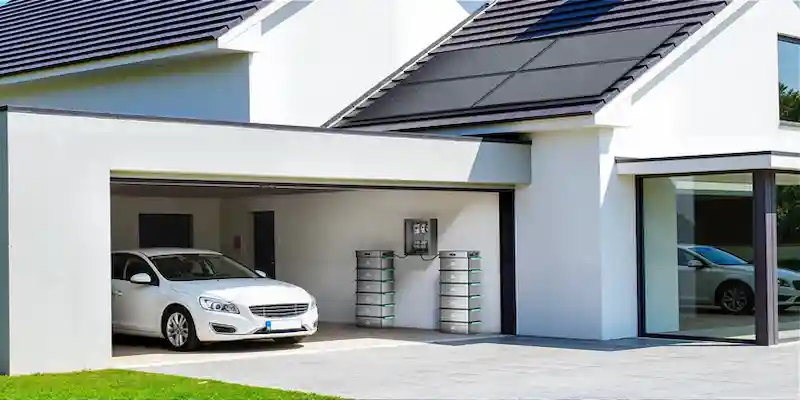
Image Credit: Zendure.
The residents of Washington, D.C., and the state around it will have a benefit of having multiple tiers. District residents receive Solar Renewable Energy Credits (SRECs), Maryland is given a rebate and a residential clean energy grant, and Northern Virginia utilities have a rebate on solar as well as on Level 2 EV charger hardware. By doing this on a full scale, the following is usually attained by residents:
- Solar Analysis: A certified installer evaluates your sun access, roof orientation, and local code.
- System Design: You’re given a personalized plan that includes your solar capacity, battery requirements, and estimated cost after incentives.
- Permitting: The installer takes care of permitting by agencies such as DCRA (for Washington, D.C.) and utility connection agreements.
- Installation & Inspection: Panels, inverter, meter, and occasionally batteries are installed and then inspected by the municipality.
- Activation & Monitoring: After you have your system installed and online, you’re saving money and able to view your energy production and usage on a real time basis.
How Much Energy Do You Need?
An average Mid-Atlantic residence uses 30 to 40 kWh per day. A 6 kW solar system would on average in the course of a year supply as much energy as that. Better insulating, energy-efficient appliances, and thrifty use enable most to break even on their yearly consumption of electricity. When you throw in EV charging on the residence’s energy load, a solar system, a brains-on charger, and battery storage, you achieve energy independence and ultimate cost savings.
Solar Energy Needs Calculator
Estimate how much solar energy you need per day (including EV charging):
Estimated System Size: kW
Estimated Panels Needed: panels (at 400W each)
Overcoming common challenges
Other residents are concerned about roof suitability, orientation, or shading. Fortunately, new technology—solar mapping and microinverters—enables engineers to accurately model energy yield and optimize partially shaded situations. In situations with renters or multi-family residents whose solar roofs are unsuitable, transportable solar kit solutions are available with a smaller renewable footprint. These cannot have a full-house energy solution, but are perfect for vehicle charging or powering electronics.
Frequently Asked Questions (FAQs)
1. What is the cost of powering your house using renewable energy sources?
Cost is system-dependent. A complete solar panel system will cost between $12,000 and $20,000 after federal government tax credits. Battery backup such as a Tesla Powerwall or Bluetti EP900 will cost another $7,000–$12,000. Depending on local and federal government incentives, however, your expense will be much lower, and most systems will recover their cost within 5 to 8 years.
2. Can I have my entire house powered by solar panels?
Actually, by and large, most homeowners completely offset their electric use with a properly sized solar system. A 6 to 8 kW system sufficiently covers typical residential demand on a yearly basis. If you’re also going to use electric heat or an EV, topping your solar panels with a battery backup system ensures a seamless lighting and power throughout evening or outages.
3. What is the best renewable energy option for residential dwellings in Washington, D.C. and throughout DMV?
The best bang for people’s bucks around most DMV-area homes is a rooftop solar system paired with a smart battery storage system. It’s SREC-eligible in D.C., state-grant-eligible in Maryland, and utility-incentive-eligible in NoVA. It’s a perfect pairing for homes that have grid access and moderate to heavy energy demands.
4. Is renewable energy truly superior to conventional electricity?
Actually, renewable energy systems such as solar or geothermal minimize your carbon footprint, reduce your bill, and achieve energy independence in the future. Unlike fossil fuels, renewables are sourced from freely available and unlimited nature and are immune to price fluctutations. You’re saving on money now—but you’re also future-proofing your own home.
Top Solar Picks Takeaway: The Case for Going Green, Now
To energize and heat your residence with clean energy in 2025 is a wiser choice for the Earth; it’s a wise economic option. While energy costs climb faster and climate risks expand, solar’s trifecta of energy, battery backup, and energy measures is a good energy solution—one that yields dividends well into the future. Whether you reside in the DMV epicenter or elsewhere in the United Kingdom and the United States, you act now by stabilizing federal and local benefits and getting ahead of future rate increases. It’s investing in smart living to capture the sun’s energy within your home. Interested in a tailored solar solution? Book a no-cost site visit by local installers. Eligibility for solar is more accessible than you’d suppose—it yields dividends for life.
Author

John Tanko is the founder of Top Solar Picks and a solar energy researcher whose work has been featured in leading technology and sustainability publications. Learn more on our About page.