
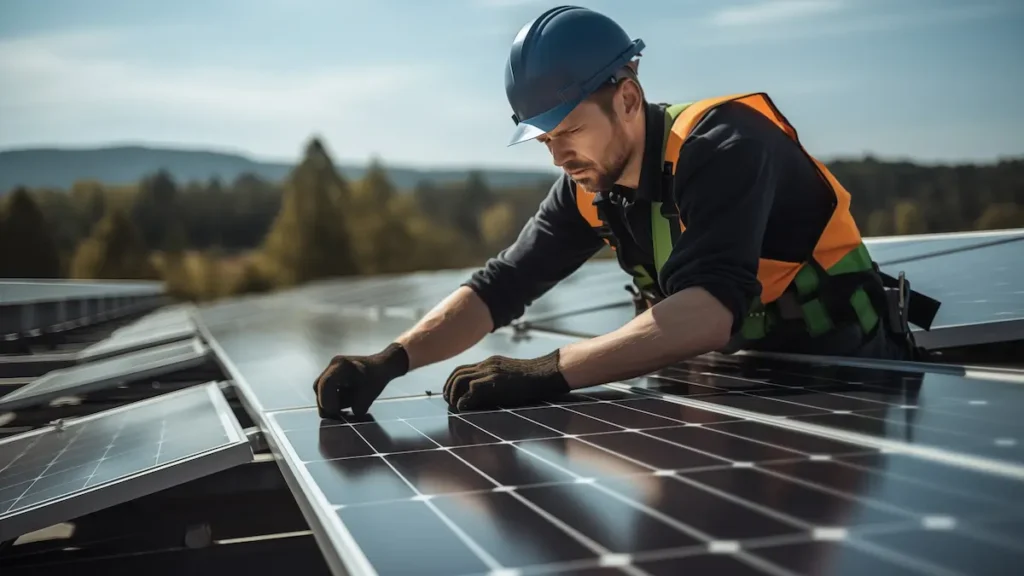
photo source vecteezy
With increasing demand for sustainable, cost-effective energy solutions, solar energy is fast becoming a preferred option for many homes and businesses. With the world grappling with escalating energy demands and environmental issues, many are turning to solar panels to minimize their carbon footprints and save money. Solar panels are cheaper than ever due to new technological advancements and incentives. But really how much will solar panels cost in 2025? Let’s analyze, so you can know better what is in store for you when you make this investment.
This guide covers everything to know about solar panel costs in 2025, from average pricing to types of panels and several factors influencing costs, plus long-term savings. If you’ve even been considering making the switch to solar, this is the resource you need.
1. Average Cost of Solar Panels in 2025
Solar panels will still be cheaper in 2025 as advances in technology and economies of scale in the growing solar industry drive costs down. Solar panel installation costs vary depending on your location, the type of panels you choose, your solar system size, and whether you hire a professional or go with a DIY system.
Global Solar Panel Price Comparison
Regional labour, incentives and raw materials availability shapes a price point in different countries. Here’s how much solar panels cost in top markets:
| Region | Average Cost per Watt | Cost for a 6kW System | Panel Type |
|---|---|---|---|
| United States | $2.50 – $3.50 | $15,000 – $21,000 | 400-watt solar panels, bifacial solar panels, used solar panels, DIY solar panels |
| United Kingdom | £1.00 – £1.30 | £6,000 – £8,000 | 400-watt solar panels, bifacial solar panels |
| Australia | AUD $0.90 – $1.20 | AUD $5,400 – $7,200 | 400-watt solar panels, used solar panels |
| Canada | CAD $2.50 – $3.00 | CAD $15,000 – $18,000 | 400-watt solar panels, DIY solar panels |
Note: Prices listed are approximate averages and may vary based on installation costs, location, and available incentives.
Understanding Solar Panel Prices Factors
Country and Region: Your costs will depend on your location. Different incentives are also offered depending on your region, like the Federal Solar Tax Credit (ITC) in the U.S.A, allowing you to cut a quarter off your overall system cost (30% actually). Regional incentives are common in Australia and Canada, too.
Installation Cost: The installation is also a major part of the solar panel total cost. Installation will cost between about $2,000 to $5,000, which covers workers’ fees, permits and other costs.
Type of Solar Panel: There are different types of solar panels, and their costs differ from each other. 400-watt panels cost more, but you won’t need as many to achieve your desired output, and they’re more efficient.
2. Types of Solar Panels and Their Costs
In 2025, there is a diverse range of solar panels on the market. Here’s a look into the different types of solar panels and their average costs:
400-Watt Solar Panels
Increasingly popular in 2025, 400-watt solar panels provide considerably higher efficiency than 300-watt panels and therefore can generate more power with fewer panels. These panels are perfect for homes with low roof space, yet their energy needs are quite high.
- Average Cost: +$0.50 – $0.80 between traditional 300-watt panels.
- Efficiency: More power means fewer panels are required, and they produce more power for the same size.
For instance, a common 6kW solar system made with 400-watt panels would comprise 15 panels (vs a 6kW array with 300-watt panels, which would allow for 20 panels to be accommodated). As a result, 400-watt panels are a popular choice for homes looking to maximize energy output while minimizing how much installation space they require.
Bifacial Solar Panels
Bifacial solar panels collect sunlight on both sides of the panel, not just on the front. This tech boosts energy generation more, especially areas with a lot of eyeball refecting sunlight, such as snow or sand. Bifacial panels are pricier, but they can produce more energy yields, making them a long-term investment.
- Cost: 10-20% higher than conventional solar panels.
- Efficiency: Anywhere from 10-30% more efficient than conventional panels, depending on installation conditions.
For example, if you’re in a sun-rich environment, where there are reflective surfaces — think of the bottom of the U.S., where you have a lot of bifacial panels — those bifacial panels can produce a lot more energy, and deliver more profitable option despite the higher upfront cost.
Used Solar Panels
For those on a budget, used solar panels may be an option. These panels can be up to 50 percent less expensive than new ones, but carry some risks (lower efficiency, shorter lifespan, and no warranties.) If you decide to buy used panels, though, make sure you get inspected panel/component condition and tested performance.
- Cost: 30-50% cheaper than new panels
- Efficiency: Less than new panels, depending on age and wear.
For example, once you know it is for someone in a tight budget or someone interested in building a DIY solar system, used solar panels may be a good fit, but you should be prepared to potentially face higher maintenance costs in the future.
DIY Solar Panels
Building your own solar system can be an excellent way to save money on installation. DIY solar panels allow you to purchase the materials needed and then to some install and assemble the system. But you will require information about electrical systems and installation practices to avoid expensive errors.
Average Cost: The cost of materials varies, but savings of 25-50% can be expected using DIY installation vs professional installation.
Effectiveness: Relative to the materials you select and your installation precision.
Explanation: For example, if you are building a 6kW system, materials can cost between $8,000 and $12,000 depending on the type of panels and inverters you choose. Note that errors in installation can result in extra costs.
3. Factors Influencing Solar Panel Pricing in 2025
Here are a few important factors that will impact the total cost of your solar panel system:
Location and Regional Benefits
Solar panels cost differs by location. In California — for instance — there are strong incentives and rebates at the state level, which drive the cost of solar down. Other areas
may have fewer incentives. In countries like the U.S. (from federal down to individual state levels), U.K., Canada, or Australia, tax credits and rebates can make solar installation worth up to 30% less.
Panel Efficiency and Technology
Technology for solar panels is rapidly advancing. By 2025, panels will be more efficient, generating more energy with less space. Novel technologies such as bifacial panels are increasing energy yields, but they also usually entail a higher upfront cost. Higher-efficiency panels can also result in greater long-term savings by requiring fewer total panels.
Installation and Maintenance
While solar panels are cheaper now on their own, much of the price is for the installation process. You’ll want a licensed contractor to ensure proper installation — wiring, mounting, connecting with the electrical grid, all that stuff. In some places, status as a regional power can drive up the labor costs that influence final cost.
4. Return on Investment (ROI) and Long-Term Savings
Long-term savings is one of the strongest incentives for determining solar energy. Although the up-front cost can be daunting, it is compensated for time wise with ROI (return on investment) and savings on power bills.
Payback Period
Typically, the average payback period for a solar panel system is 6 to 10 Years depending on your electricity usage, the price of electricity in your area, and tax credits/incentives. After your system is paid off, you should have years of free energy.
For example, if you are able to save $1,500 per year on electricity bills, that over 10 years adds up to $15,000, well over the cost of your solar system’s initial installation fee.
Long-Term Savings
Over the entire life of a solar panel system (about 25-30 years), homeowners can save $10,000 to $30,000, depending on the size of the system, electricity rates, and other factors.
5. What to Know When Buying Solar Panels in 2025
There are also a few factors you should consider before taking the solar leap:
Roof Condition: Make yourself sure that your roof is in good condition and can support solar panels. If your roof is at or near the end of its life, you may have it replaced before you install solar.
Energy needs: energy consumption before using the tonne of solar system Most homes will require a 4kW to 10kW system.
Types of Financing: Solar systems can be purchased directly, financed through loans, leased, or through power purchase agreements (PPAs). Knowing the different options available to you with their relevant advantages and disadvantages could help you choose your best option.
The price of solar panels has fallen steadily, and by 2025 they are more affordable than ever. Depending on whether a 400-watt, bifacial, used, or DIY panel is put in, your energy bills can be reduced significantly and the value of your home increased alongside your environmental footprint. It’s an investment that pays dividends, both short and long term, with ample financial savings opportunities via tax incentives and rebates.
Looking to go solar in 2025?
Find out how these changes may affect you now that you have this information.
Author

John Tanko is the founder of Top Solar Picks and a solar energy researcher whose work has been featured in leading technology and sustainability publications. Learn more on our About page.