
If you’re trying to build or upgrading a solar storage system, picking the right battery is a huge deal. Pick wrong, and you’ll end up frustrated with poor performance, shorter battery life, or throwing money away. But choose well, and you’ll get way more efficiency and peace of mind when the power cuts out.
Here’s a straightforward Top Solar Picks guide that breaks down the best batteries for solar storage. We’re comparing Deka deep-cycle batteries vs lithium 21700 cells so you can see what fits best—whether you’re backing up your home, going off-grid, or looking for serious long-term energy storage. We’ll cover costs, durability, efficiency, and how these batteries really behave in the real world. The goal? You’ll finish reading with a clear answer for your system.
Last updated by Top Solar Picks on April 16, 2026
What is the best battery for solar storage?
Honestly, it all comes down to what kind of solar setup you have and how much energy you need. Most people with modern solar systems go with lithium batteries (including those popular 21700 cells). They’re efficient, last longer, and charge up quickly. Still, Deka AGM deep-cycle batteries are a go-to for folks on a budget or those running older off-grid systems—they’re tough and don’t cost as much upfront. If you’re planning for the long haul and want the absolute best performance, lithium’s the way to go for solar storage in 2026.
What Is a 21700 Battery?
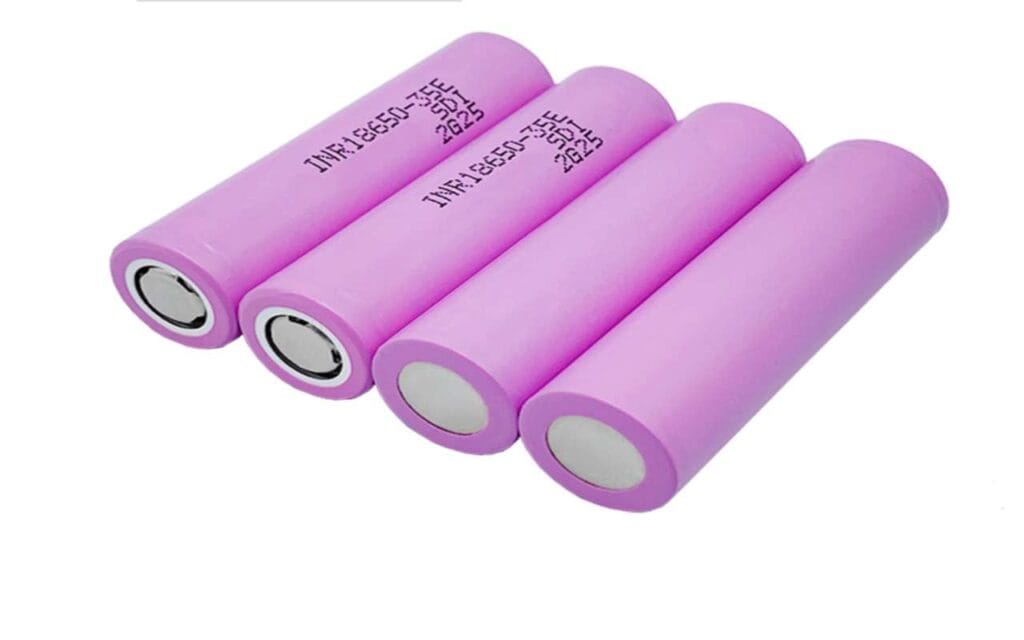
A 21700 battery is a rechargeable lithium-ion cell that measures 21mm in diameter and 70mm in length, which is how it gets its name. It’s larger, more energy-dense, and longer-lasting than the more common 18650 battery, making it ideal for modern, high-performance electronics.
These batteries were first popularized by electric vehicle companies like Tesla, but their use has rapidly expanded into everyday technology. Today, you’ll find 21700 batteries powering everything from flashlights and power tools to e-bikes, portable power stations, and even battery packs used in off-grid solar systems.
What makes the 21700 stand out is its impressive capacity—often up to 5,000mAh—and its ability to hold that charge through hundreds of cycles. If you need a battery that combines efficiency, durability, and extended runtime, the 21700 battery is quickly becoming the go-to choice.
What Is a Deka Battery?
If you’ve ever dealt with batteries for boats, RVs, or even solar systems, you’ve probably heard the name Deka thrown around. It’s one of those brands that comes up a lot — and for good reason. These batteries are built tough and made in the U.S. by East Penn Manufacturing, and they’ve got a solid reputation for lasting power and dependable performance in the field.
Best Batteries for Solar Storage Explained
A solar battery storage system lets you save all that extra power your panels make during the day, so you can use it after sunset or when the power cuts out. The idea’s simple: keep your home running independently, lower your electric bill, and have backup power if the grid goes down.
But not all solar batteries are the same. The best batteries store and release energy smoothly, hold up after years of use, and don’t waste much power in the process. That’s why picking the right type can make a big difference, both in how well your system runs and how much you spend over time.
How Solar Battery Storage Works
Here’s the deal: solar battery systems catch extra energy your panels make and stash it away instead of feeding it all back to the grid. During the day, your panels generate electricity—anything you don’t use right away goes into the battery.
Come nighttime or cloudy weather, your battery kicks in, keeping everything in your home running as usual. This means less relying on your utility company and more control over your energy costs.
What Makes a Good Solar Battery?
A great solar battery boils down to a few things:
- Cycle life—how many times it can charge and discharge
- Depth of discharge (DoD)—how much energy you can actually use from each cycle
- Efficiency—how much energy you lose in the process (spoiler: less is better)
- Durability—how it handles heat, cold, and just plain old time
- Cost per kWh stored—what you’re really paying over the battery’s life
Lithium batteries usually win on all fronts, but your budget and setup still matter.
Deka Battery for Solar Storage (Pros and Cons)
Deka batteries are well-known AGM (Absorbed Glass Mat) lead-acid batteries. You’ll spot them in RVs, boats, and off-grid solar systems. People like them for their dependability and low upfront price tag.
The flipside? They’re heavy, don’t last as many cycles as lithiums do, and you need more space to get the same amount of stored energy.
Performance in Off-Grid Systems
If you’ve got an off-grid rig and use moderate amounts of energy, Deka batteries won’t let you down. They deliver steady power, and little things like uneven charging aren’t a big problem for them. For basic backup or infrequent use, they’re solid.
Just know, if you need something to handle deep cycling day after day, lithium works better.
Lifespan and Maintenance
Most Deka AGM batteries last about 3 to 7 years, depending on how you charge and use them. They’re sealed—so you don’t have to mess with maintenance—but they’ll wear out faster if you keep draining them low.
Best Use Cases for Deka Batteries
Go with Deka batteries if you’re:
- Keeping things budget-friendly
- Powering up an RV or boat
- Just need backup for the occasional outage
- Looking for a low upfront price
Lithium 21700 Batteries for Solar Storage
Lithium 21700 cells are part of the new wave—they’re super efficient, more compact, and outlast traditional lead-acid batteries by a mile.
Initially made for things like high-end flashlights and electric cars, these batteries now pop up in smaller or modular solar setups, too.
Why Lithium Batteries Are More Efficient
Lithium batteries waste way less energy when they charge and discharge. They keep voltage stable, so your whole system runs smoother.
Basically, you end up with more usable power from the same bit of sunshine compared to an AGM battery.
Energy Density and Charging Speed
21700 lithium cells fit a lot of energy into a small package. They top up faster, and you can use more of their stored energy without causing wear and tear. That makes them perfect for daily cycling in a solar setup.
You’ll get better performance for your home over time.
Limitations of 21700 Cells in Solar Use
Even with all those benefits, you rarely see single 21700 cells used alone for big home systems—they’re usually part of a larger battery bank or custom pack.
Couple of things to keep in mind:
- They cost more right away
- You’ll need a battery management system (BMS)
- They’re not always a plug-and-play option for home setups
Deka vs Lithium Batteries: Key Differences
Budget, how you use your power, and your big-picture plans all matter.
Cost Comparison
Deka batteries win on upfront cost. They’re affordable and easy to get started with. Lithium batteries, meanwhile, ask for more money at the start—but you’ll usually save in the long run, since they last much longer.
Efficiency and Energy Output
You’ll squeeze more usable energy out of lithium batteries, and there’s a lot less energy lost in the process. Deka don’t have the same efficiency, especially if you run them low often.
Lifespan and Cycle Count
Lithium batteries can easily last 10 to 15 years (sometimes even more). Deka tend to tap out between 3 and 7 years. Over time, that longer life from lithium ends up saving you more.
Which One Performs Better for Solar Backup?
If you want day-in, day-out reliability for years, go for lithium batteries. Deka are best if you only need occasional backup or you’re watching your wallet.
Which Battery Is Best for Solar Storage?
It depends on what you’re aiming for and what kind of system you have.
Best Choice for Budget Systems
Got a tight budget or just want something to cover the basics now and then? Deka batteries work well for backup and smaller systems.
Best Choice for Long-Term Solar Investment
If you’re in for the long run, want high efficiency, a long lifespan, and reliable performance, lithium batteries are your answer. Yes, you’ll spend a bit more at first, but the payoff and peace of mind make them the smarter pick over time.
Let’s take a closer look at how these three battery types compare and which one is the right fit for your needs.
So what makes Deka batteries a solid pick?
For starters, they really shine in deep-cycle setups — great if you’ve got a camper van or an off-grid cabin running on solar. They’re also powerful enough to crank over big marine engines or work vehicles, which is why a lot of people who rely on their equipment every day stick with Deka.
One thing that sets them apart from your average lead-acid battery is their use of AGM tech — that’s Absorbed Glass Mat. Without getting too technical, it basically means the battery is sealed up tight (no spills) and doesn’t need maintenance. It also handles vibration way better, which comes in handy if you’re bouncing around rough terrain or choppy water.
You’ll see a few models pop up a lot:
There’s the Deka Intimidator — a favorite for RV and boat setups since it can handle both starting and deep-cycle duties. Then there’s the Dominator, which is a gel battery built to last through tons of charge cycles. And for cold weather starts, the Deka Gold has strong cold-cranking power that makes it a go-to for trucks and cars.
Bottom line? These batteries are built to take a beating and keep going. If you’re setting up power for a mobile rig or want something you don’t have to worry about for years, Deka’s a smart bet.
Switching gears — have you heard of the 21700 battery?
It’s been getting a lot of attention lately, especially among people using electric tools, e-bikes, or high-performance flashlights. The name “21700” just refers to its size — 21 millimeters wide, 70 millimeters long — but what’s inside is where the magic happens.
Compared to older 18650 batteries, the 21700 packs in more energy without adding much bulk. Most of them hold between 4,000 and 5,000 milliamp hours (mAh), which is a fancy way of saying they run longer before needing a recharge. That’s a big deal if you’re on the job or out riding and don’t want to constantly swap batteries.
Why people like ’em?
They’re efficient, hold a charge well, and tend to stay cooler even under pressure — which makes them safer for high-drain devices. You’ll find them in a lot of newer tech: high-end flashlights, power tools, even vape mods and scooters. They’re slowly becoming the standard for anything that needs steady, powerful, rechargeable energy.
Top 21700 Battery Brands & Models:
Samsung 40T – 4000mAh with a high discharge rate
Molicel P42A – 4200mAh, excellent for tools and vapes
Sony VTC6A – Trusted for consistent performance in flashlights
Because it’s rechargeable and has a longer cycle life, a 21700 battery is both economical and eco-friendly for long-term use. Be sure to check the compatibility of your device — not all flashlights or mods fit 21700 cells, especially older models.
Top 21700 Battery Comparison Table
| Model | Capacity | Max Discharge | Best For |
|---|---|---|---|
| Samsung 40T | 4000mAh | 35A | E-bikes, vapes |
| Molicel P42A | 4200mAh | 45A | Tools, mods |
| Sony VTC6A | 4100mAh | 35A | High-drain electronics |
Understanding 3 Volt Batteries
Funny enough, I didn’t think much about 3 volt batteries until my kitchen scale died and I had to hunt one down. Turns out, they’re in just about everything — car remotes, wristwatches, fitness bands, you name it. They’re small, simple, and surprisingly dependable.
Most of these batteries come in two styles: flat coin-shaped ones or short barrel-style cylinders. The CR2032 is probably the most common — you’ll find it in everything from bathroom scales to bike computers. Then there’s the CR123A, which looks more like a mini version of a regular battery and is usually found in flashlights or motion sensors.
Here’s a quick rundown of a few types you’ll come across:
CR2032: Reliable and easy to find. It’s the go-to for watches, medical gear, and small remotes.
CR2025: Same general idea, just a bit thinner — perfect when space is tight.
CR123A: Built for more power-demanding stuff like tactical lights and wireless alarms.
What’s nice is these batteries tend to last a long time — even if they sit in a drawer for years. I always keep a couple of Energizers or Panasonics around, just in case. When something stops working out of the blue, swapping in one of these can save you a ton of hassle.
When replacing a 3 volt battery, be sure to check both the voltage and model number. Though many look alike, even a small variation in size or chemistry can impact performance or device compatibility.
Battery Comparison Guide
Deka Battery
Use Cases: RV, car, marine
Size: Group 24–31
Rechargeable: ❌ No
Notable Models: Intimidator AGM, Gold
21700 Battery
Use Cases: Flashlights, e-bikes, vapes
Size: 21x70mm
Rechargeable: ✅ Yes
Notable Models: Samsung 40T, Molicel P42A
3 Volt Battery
Use Cases: Remotes, watches, toys
Size: Coin/Cylindrical
Rechargeable: ❌ Mostly not
Notable Models: CR2032, CR123A
Which Battery Should I Use?
Still unsure which type of battery to go with? Here’s a quick breakdown:
Choose a Deka battery if you’re running a high-power system in your RV, boat, or off-grid setup. They’re built for durability and long-term energy delivery.
Opt for a 21700 battery if you’re using high-drain electronics that need rechargeable lithium power, like e-bikes, mods, or tactical gear.
A 3 volt battery is your best bet for compact devices like remotes, fitness bands, and small electronics — easy to replace and cost-effective.
When you’re shopping for any battery, always check the manufacturer’s specs, voltage requirements, and size compatibility. Choosing the wrong one can lead to device failure or short battery life — both of which are easy to avoid with a little planning.
Frequently Asked Questions
Is a Deka battery good for solar backup?
Yes. Many Deka deep-cycle AGM batteries are ideal for solar energy systems and perform well in cyclic charging conditions.
Can I use a 21700 battery in place of an 18650?
Only if your device supports it. The 21700 battery is longer and wider, so check your product manual or battery compartment.
How long does a 3 volt battery last?
Depending on the device, a 3 volt battery like the CR2032 can last 2–5 years in normal usage. Shelf life can reach 10 years.
What’s the advantage of a 21700 battery over other lithium-ion cells?
More capacity in the same form factor, better energy retention, and typically longer cycle life.
Where to Buy
Shop the best Deka battery models for marine or RV use, Explore top-rated 21700 battery options for flashlights and mods, find the right 3 volt battery for your remote, scale, or watch. be sure to buy from reputable vendors to avoid counterfeits — especially for lithium batteries.
Author

John Tanko is the founder of Top Solar Picks and a solar energy researcher whose work has been featured in leading technology and sustainability publications. Learn more on our About page.