
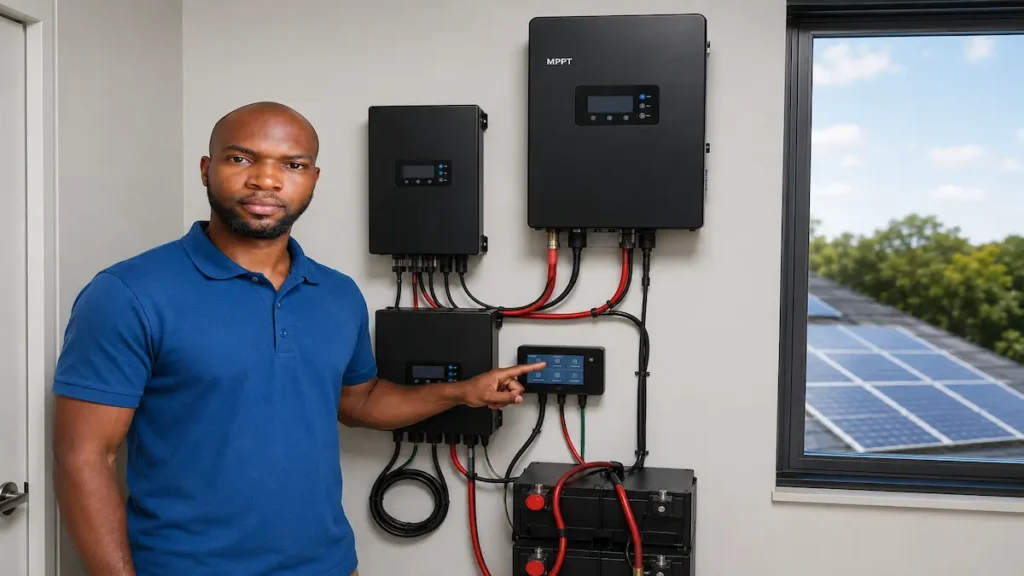
The best time to run heavy appliances on solar power is when your panels are really working—usually from 10 AM to 3 PM. That’s when you get the most electricity out of your system. So, if you’ve got a washing machine, dishwasher, air conditioner, or dryer to run, aim for those midday hours. You’ll use more of your own solar energy, cut down your electric bill, and won’t lean on the grid as much.
But solar power doesn’t stay steady all day. It ramps up in the morning, hits its peak around noon, and then drops as the day goes on. That’s why it actually matters when you use your appliances if you want to get your money’s worth from your solar setup. If your house has a battery, you can save any extra energy for later, which stretches the benefits even more.
This guide shows you exactly when it pays off to run bigger appliances, walks you through how solar power shifts during the day, and gives you tips to get the most out of your system—and your wallet.
Why You Can Trust Top Solar Picks
We compare real-world solar performance, charging reliability, long-term user experiences, and practical testing — not just manufacturer claims. Products from brands like EcoFlow, Bluetti, Jackery, and Eco-Worthy are cross-checked using actual usage data and customer feedback.
Learn more →Understanding Solar Power Generation: Important Elements
To begin with, one should know how solar panels generate electricity and what factors influence the efficiency of solar panels before jumping into the best times that one can use heavy loads. Solar power generation is not an uninterrupted flow of energy; it varies based on:
Time of Day: Solar panels generate the most power when the sun is at its highest point in the sky, typically around midday.
Weather Conditions: Cloud cover, rain, or snow can reduce solar panel efficiency. The clearer the sky, the better the energy production.
Seasonal Variations: In many regions, solar power production is higher in summer due to longer daylight hours and stronger sunlight.
Panel Orientation: Panels facing the sun at an optimal angle are more efficient. This varies based on your geographical location.
Peak Solar Hours

Usually, solar panels produce the most energy between 11 AM and 3 PM—when the sun is straight overhead, and the sunlight is at its most intense. During this part of the day, the solar output curve peaks, making it the best time to plan high-energy work.
Best Time to Use Solar Power for Heavy Load: Maximizing Efficiency
Having explained how solar panels work and what factors impact energy production, it’s time to discuss when is the best time for you to use energy-intensive appliances such as the washing machine, dishwasher, dryer, and air conditioner. These machines can draw high watts, so time them with peak solar to reduce costs and optimize efficiency.
U.S. (United States)
In the U.S., solar systems tend to perform best during midday hours — usually between 12 PM and 3 PM — when the sun’s energy is the strongest. This is when solar irradiance (the energy you receive from the sun) in the region is at its highest, and panels extract the most power.
According to the Solar Energy Industries Association (SEIA), in regions like California and Arizona, solar power systems produce 20-30% more energy during these hours than in the morning or late afternoon. Homeowners in these regions can see significant savings by running heavy appliances during these peak hours.
Recommendation for the U.S.:
If you live in states that have a lot of sunshine like California, Nevada or Texas, you could time your energy-using tasks, like doing laundry, washing dishes or running air conditioners between 12 PM to 3 PM. These states enjoy long sunny days and high solar output, making midday the cheapest time to do heavy energy use.
Australia
Australia has an abundant amount of sunlight, particularly over the summer months. The energy from solar is usually produced is between 10 AM and 2 PM at top peak. Given Australia’s relatively high solar generation, particularly in states such as Queensland and New South Wales, these hours can be used to maximize energy savings at home.
Recommendation for Australia:
You should use high-power appliances (like clothes dryers and air conditioning units) from 10 AM to 2 PM. Australia still achieves relatively high solar generation during these hours, even over winter. Since homes with solar battery storage can stockpile excess solar energy when produced (during peak hours) for use at a later time, dependence on the grid is considerably reduced when they need power.
According to Clean Energy Council, households in Australia with solar systems that use their energy during peak hours save an average of $300 annually on electricity bills
U.K. (United Kingdom)
In the U.K., where daylight hours are fewer and the weather cloudier, solar energy production is generally lower than in sunnier regions. But solar panels still output energy mostly between 12 PM and 3 PM, even if the whole output is way lower than in the U.S. or Australia.
According to the Department for Business, Energy & Industrial Strategy (BEIS), average U.K. solar output is about 1.3 kWh per square meter during midday hours. Homeowners living further north, such as London and Southeast England, improve output slightly since they are closer to the equator.
Recommendation for the U.K.:
For U.K. homeowners, the optimal time to use high energy appliances is still between 12 PM and 3 PM, but you may need to draw on solar battery storage or grid power for the winter months when sunlight is minimal. Using a smart energy monitor can aid in monitoring peak solar production times.
Canada & Ireland
As in the U.K., Canada and Ireland see dramatic seasonal differences in solar energy production, with winter months being far less productive. In the summer, the solar systems in places like Ontario and British Columbia generate much more energy, making it a prime time to run heavy appliances.
According to the National Renewable Energy Laboratory (NREL) sites in regions with more cloudy day — Canada and Ireland for example— have a lower solar irradiance, timing becomes critical for homeowners to increase the output of their solar panels.
Advisory for Canada & Ireland:
- In summer, use heavy appliances between 12 PM and 3 PM.
- During the winter, use energy-saving appliances that consume less energy, or use solar batteries to maximise the use of stored solar energy.
Data-Driven Insights: Saving Money and Energy
This allows homeowners to optimize their solar energy production of heavy loads and lock in lower energy prices when these loads are being used. Solar-powered homes that utilize large amounts of sunlight can save up to 30% on their electricity bills each year by using appliances at peak solar generation times, according to the SEIA.
A 2021 study from NREL found that homeowners who utilize the peak power output of their solar panels to run appliances such as air conditioners or washing machines save, on average, $250–$500 a year, depending on location and panel efficiency.
Using Solar Power: In addition,
according to International Energy Agency (IEA) worldwide research, utilizing solar energy, especially during peak hours, reduces electricity bills and carbon footprints simultaneously. Solar energy is a clean alternative to fossil fuel and utilizing it as much as possible reduces reliance on fossil fuel.
Tools and Tips for Maximizing Solar Energy Use
Tools and Technology that can Deliver Better Solar Energy for Heavy Loads:
- Smart Plugs and Timers: Use smart plugs (like TP-Link Kasa or Belkin WeMo) to set an automated timeline for appliances (such as an electric kettle) to operate strictly during peak solar hours. Another way to automate your appliance use is through timers.
- Energy monitors: Devices such as Sense Energy Monitor or SolarEdge provide real-time information on solar production and energy consumption, to help homeowners better align appliance use with solar power availability.
- Solar Battery Storage: Solar batteries like Tesla Powerwall or LG Chem RESU allow you to store excess solar energy generated during peak hours for use during the evening or on cloudy days. That way, you can still enjoy the benefits of solar energy even when the sun isn’t shining.
Solar Battery Storage Impact
For example, research by the Home Energy Effectiveness (HEE) program shows that homeowners who invest in solar batteries reduce their electricity bills by 40–70%, depending on their battery’s size and their local utility rates.
How to Optimize Your Solar Efficiency: Best Practices
To maximize efficiency of your solar system, here are some best practices on how to use solar energy to power heavy loads:
- Make Use of Energy-Efficient Appliances: The more energy-efficient appliances you have, the less you’ll need to depend on the grid electricity. If you need to replace any, consider Energy Star-rated models.
- Time Your Consumption: Use smart devices or energy monitors to time high consumption loads like laundry, cleaning or cooking for peak solar hours.
- Utilize Solar Battery Storage: In case you have a solar-powered battery, excess energy can be stored during peak hours of usage and then discharge the stored energy at peak hours when most appliances are used during non-sunny hours.
By ensuring that the energy gets completely consumed without getting wasted during peak consumption, one can avail maximum savings from Solar Power.
Questions People Ask Regarding Best Practices
1. Why do you need to know when to use heavy loads with solar power?
Homeowners can maximize the efficiency of their solar systems with knowledge of the best times to use heavy appliances with solar power. Solar panels produce the maximum energy when there is peak sunlight (usually between 11 AM and 3 PM). By synchronizing energy-heavy tasks — like washing laundry, running air conditioners and using dishwashers — with these peak hours, you can use less from the grid, save money and maximize the clean energy generated by your system.
2. When are solar panels most efficient?
Smart energy monitors like Sense or SolarEdge allow you to track your solar panel’s energy production. These tools will show you real-time data on how much energy your solar panels are producing and give you insights on when your system is generating the most energy. And if you do have a solar battery storage setup, this can allow you to store excess energy during peak hours for later use.
3. Peak solar hours in the U.S. — and what does this mean for heavy appliance usage?
In the U.S., peak solar hours typically run between 12 PM and 3 PM — when the sun is at its highest point, and the solar panels output the most energy. To maximize these hours, heavy appliances — washing machines, dryers and dishwashers, say — can be scheduled to be used during them. In areas with plenty of sunshine, like California, Arizona, or Texas, using large devices at peak hours can greatly reduce energy costs.
4. Why use solar battery storage with solar panels for heavy loads?
Throughout the day, solar battery storage systems such as Tesla Powerwall or LG Chem RESU can store excess energy in the peak solar hours and are available for use in the later hours of the day and on cloudy days. By utilizing solar energy stored in the battery, powered up during non-peak hours, homeowners can still run energy-consuming devices such as air conditioners or dryers without tapping into the grid, translating into added savings and efficiency.
5. How can U.K. homeowners make the most out of their sunshine-poor solar power?
Production of solar energy is lower in the U.K., where there are shorter daylight hours and more cloud cover. However, homeowners still can optimize energy use as much as they can do heavy appliance tasks between the intervals of 12 PM to 3 PM when solar panels generate the most energy. Investing in solar battery storage can also help homeowners store energy for use later when there’s no sun. Energy-efficient appliances will also help mitigate electricity usage to maximise the effect of limited solar output.
What it All Means
understanding when to utilize solar power for heavy loads is a core aspect to better energy savings and efficiency. By scheduling appliances such as washing machines, dishwashers, and air conditioners to run during peak solar hours, you can decrease your dependence on grid electricity, decrease your energy bills, and make the most out of your solar panel solar energy.
So, whether you live in the U.S., the U.K., Australia, or Canada, knowing how much solar power you produce locally and using smart tools like timers, energy monitors and solar batteries can make sure you get the most out of solar energy. Properly planned, you can save money, lower your carbon footprint and make your home more energy efficient.
Data References:
International Energy Agency (IEA):
Data on solar energy reducing electricity bills and carbon footprints: The IEA’s research supports the use of solar energy as a cleaner alternative to fossil fuels and highlights how solar adoption can lead to savings on energy costs and help mitigate climate change.
Reference
International Energy Agency. (2021). “Renewable Energy Market Update.” IEA. Retrieved from https://www.iea.org
Solar Energy Industries Association (SEIA):
U.S. solar industry growth and impact: The SEIA reports on the benefits of solar energy, including the reduction of household electricity bills and its environmental impact. According to the SEIA, using solar energy during peak hours significantly reduces energy costs.
Reference
Solar Energy Industries Association. (2020). “U.S. Solar Market Insight.” SEIA. Retrieved from https://www.seia.org
National Renewable Energy Laboratory (NREL):
Data on solar energy production in different regions and best usage times: The NREL provides insights into solar irradiance levels in various regions, helping homeowners better understand when to use heavy appliances to maximize solar energy.
Reference
National Renewable Energy Laboratory. (2020). “Solar Resource Data.” NREL. Retrieved from https://www.nrel.gov
Clean Energy Council (Australia):
Energy savings and solar adoption in Australia: The Clean Energy Council reports that households with solar power can save hundreds of dollars annually by utilizing solar energy during peak hours.
Reference
Clean Energy Council. (2021). “Solar Power in Australia.” Clean Energy Council. Retrieved from https://www.cleanenergycouncil.org.au
Author

John Tanko is the founder of Top Solar Picks and a solar energy researcher whose work has been featured in leading technology and sustainability publications. Learn more on our About page.