
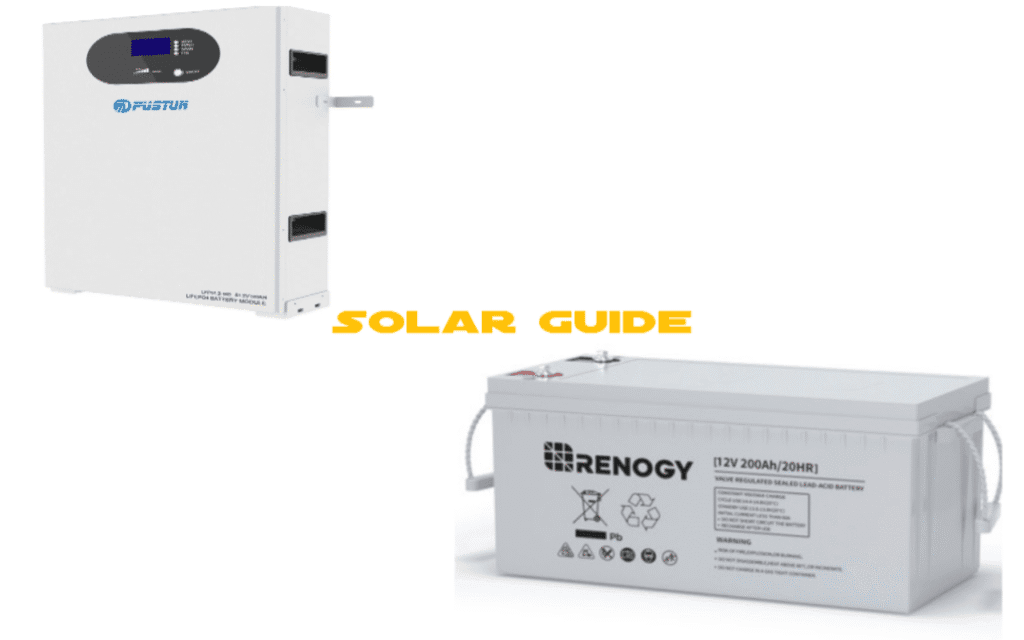
Choosing between lithium and deep cycle batteries is a big deal when you’re setting up a solar power system—whether it’s for your house, an RV, or something off the grid. Your battery choice shapes how long your system runs, how much energy you can actually use, and how much you can trust it when the power goes out.
Usually, people weigh lithium-ion batteries against traditional deep cycle lead-acid batteries when they’re on the hunt for a solar battery for backup power or off-grid life. It really comes down to performance versus cost. Lithium batteries bring more efficiency, last longer, and can handle deeper discharges. Deep cycle batteries, on the other hand, have a lower upfront price but end up needing more maintenance and will need replacing sooner.
We’re breaking down lithium versus deep cycle batteries for solar storage—looking at lifespan, price, efficiency, how they work in real life, and which one actually fits different needs in 2026.
This guide on solar batteries was last updated by John Tanko on April 12, 2026, to ensure accurate and up-to-date information for homeowners, farmers, and off-grid users.
What Is a Deep Cycle Battery for Solar Systems?
Deep cycle batteries are type of lead-acid battery designed to provide sustained power over long periods. Unlike car batteries, which deliver short bursts of energy, deep cycle batteries discharge power steadily and recharge efficiently. The most common types are:
- Flooded Lead-Acid (FLA): Needs maintenance and water topping.
- Ecology Storage (Lead-acid) Absorbent Glass Mat (AGM): Maintenance-free, less maintenance-free, has a higher weight and a lower efficiency than a lithium battery.
- Gel Batteries: More durable, but pricey and slow to fill up.
How efficient are lithium batteries compared to deep cycle batteries?
For most solar setups, lithium batteries—mainly lithium iron phosphate (LiFePO4)—usually outperform the old-school deep cycle lead-acid batteries.
One big plus: lithium batteries can discharge a lot deeper without getting damaged, so you can use a bigger slice of your stored power. Most lithium batteries let you use up to 90% of their charge, but deep cycle lead-acids are more in the 50–60% range.
Efficiency is better, too. Lithium batteries charge faster and lose less power during charging and discharging. That’s a big deal when you’re relying on solar and want to squeeze every watt from your panels. Off-grid homes and backup systems benefit the most here.
Even so, deep cycle lead-acid batteries are still a good pick for smaller setups or tighter budgets. They cost less at first, so plenty of RVs, small boats, or simple solar systems stick with them.
But if you’re looking at a long-term investment, lithium batteries are usually the smarter move. They last a lot longer and barely need any maintenance.
How Long Do Lithium and Deep Cycle Solar Batteries Last?
This is where the gap really shows.
Lithium batteries tend to last 10 to 15 years. A lot of LiFePO4 batteries hit 4,000 to 6,000 charge cycles, which makes them perfect if you’re charging and draining them every day.
Deep cycle lead-acid batteries, on the other hand, last around 3 to 7 years. Flooded types have the shortest life, while AGM and gel versions can stretch it a bit if you take good care of them.
If your solar system gets heavy use, lithium batteries pay off over time simply because you won’t be swapping them out as often.
Can You Replace a Deep Cycle Battery With a Lithium Battery?
Yes, you usually can. But you need to make sure a few things line up before you make the switch.
Lithium batteries want charging equipment that can handle them. Your solar charge controller and inverter need to support lithium charging profiles. If your system is older and built just for lead-acid, you might have to tweak some settings or upgrade the hardware.
Most lithium batteries include a battery management system (BMS) to protect against overcharging, overheating, and overly deep discharge.
If your solar gear works with lithium batteries, making the change from deep cycle to lithium can really boost your system’s performance and make your battery bank last a lot longer.
What Size Battery Do You Need for an Off-Grid Solar System?
It comes down to how much energy you need each day.
For small off-grid setups like an RV or cabin, a 100Ah lithium battery often covers the basics—lights, small appliances, electronics.
Average home backup systems usually go for 200Ah to 400Ah in lithium batteries, enough to run the fridge, Wi-Fi, and a handful of must-have devices during an outage.
If you’ve got a big off-grid house, you may need several lithium batteries linked together to store a few kilowatt-hours.
The key is to figure out how much power you use daily, so you know your battery bank can cover your needs.
Are Lithium Batteries Worth It for Solar Energy Storage?
Lithium batteries do cost more up front than deep cycle lead-acid ones, but lots of solar owners think they’re worth it over time.
A typical lithium battery outlasts a lead-acid two or three times over. They don’t need watering or much attention, and they run more efficiently, too.
Thanks to their deeper discharge limits and speedier charging, you get more usable energy from a lithium battery’s life.
So if you’re setting up solar for the long haul or going off-grid, lithium batteries are usually the best bet—even though you pay more to start.
Can Lithium Battery Run a Fridge During a Power Outage?
Absolutely. Lithium batteries are one of the best options when you need to keep a fridge going during an outage. Most fridges pull somewhere between 100 and 800 watts depending on the size, and lithium batteries are tough enough to handle the big surge when the fridge starts up and the ongoing power it needs to keep things cold.
They also outlast deep cycle batteries during outages because you can draw out up to 90% of their charge. That means more real, usable power for keeping appliances like your fridge, WiFi, and basic lights running when you need it most.
Cheapest Solar Battery for Beginners (Budget Setup Guide)
If you’re getting started with solar, lead-acid deep cycle batteries are the cheapest way in. The upfront cost is lower. Still, they need regular maintenance and just don’t last as long.
That said, budget lithium batteries are starting to cost less, and they’re a better investment over time since they last two or three times longer.
Which Solar Battery Is Best for Blackout Backup?
If your main goal is backup power during blackouts, lithium batteries are the better option. They handle high startup loads from appliances like refrigerators and can power essential devices longer due to deeper discharge capacity.
Deep cycle batteries can still work for short outages, but they lose usable capacity faster and require more frequent replacement.
Best Solar Battery Size for a Small Home (2–3 Bedrooms)
For most smaller homes, you’re looking at 200Ah to 400Ah of lithium battery storage to cover your daily needs. That’s usually enough for things like:
- Refrigerator
- Lights
- WiFi router
- Small appliances
If you go with deep cycle batteries, you’ll need a bigger battery bank, since they can’t discharge as deeply as lithium.
How Long Does a Solar Battery Last Without Sun?
Without sunlight, your battery’s runtime just depends on how big it is and how much power you’re using. Lithium models last longer in outages—they give you more usable energy per cycle and release it more efficiently than deep cycle types.
Why Lithium Solar Batteries Stop Working (Common Problems)
Lithium batteries are pretty dependable, but things can go wrong with:
- Wrong charging settings
- Low-quality battery management systems
- Extreme heat or cold
- Letting them over-discharge or overcharge
Deep cycle batteries usually fail because of sulfation or just getting old—lithium problems tend to be about setup or conditions.
How Does a 100Ah Lithium Battery Compare to AGM Deep Cycle Batteries?
If you’re trying to decide between a 100Ah lithium battery and an AGM deep cycle battery for solar or off-grid use, this comparison shows the real difference in weight, charging speed, lifespan, and overall performance.
| Feature | 100Ah Lithium Battery | AGM Deep Cycle Battery |
|---|---|---|
| Weight | ~30 lbs | 60+ lbs |
| Charge Time | 2–4 hours | 8–12 hours |
| Depth of Discharge | Up to 90% | 50–60% |
| Cycle Life | 4,000+ cycles | 500–1,200 cycles |
| Maintenance | None required | Regular maintenance needed |
Winner: Lithium-ion solar battery performs better in efficiency, weight, cycle life, and charge speed.
Efficiency: Charging, Discharging & Performance
- Deep cycle batteries consume 4x lesser power than Lithium batteries.
- They also deliver more consistent power output compared to lead-acid batteries, which produce decreasing voltage as they discharge.
- In climate extremes, lithium batteries are superior, especially for cold climates, like Toronto and London.
Lithium vs Deep Cycle Batteries: Cost Comparison Explained
| Feature | Lithium Battery | Deep Cycle Battery |
|---|---|---|
| Initial Cost | $700 – $1,500 | $150 – $400 |
| Lifetime Cost | $700 – $1,500 (lasts 10–15 years) | $450 – $1,500 (multiple replacements over 10–15 years) |
| Maintenance Costs | $0 (maintenance-free) | $50 – $200 per year |
Cost Comparison: Are Lithium Batteries Worth It?
Winner: Though expensive upfront, lithium batteries save money in the long run due to longer lifespan and low maintenance.
The Best Deep Cycle Battery (Our Top Picks)
Here are some of the best options if you prefer deep cycle batteries:
- Amazon – Walmart Deep Cycle Battery for Solar – Budget-Friendly and Easy to Find
- Renogy AGM Battery – Dependable and hassle-free.
- Trojan T-105 — favored by RV and solar users in Los Angeles, Sydney, and New York.
Related Solar Battery & Energy Storage Guides
Here are more expert guides and battery reviews to help you choose the best solar energy storage system for your home, RV, or off-grid setup:
Solar Battery Reviews & Comparisons
- Eco Worthy Battery Review: Deep Dive Into 51.2V Server Rack Systems for Solar Storage
- EcoFlow Battery Review (2026): DELTA Pro Ultra Tested for Whole-Home Backup Power
- Anker Power Station Review: Are They Worth It for Home Backup or Camping?
Battery Types & Technical Guides
- Lithium Battery Bank for Solar: Complete Guide to Types, Costs, and Best Options
- Different Types of Solar Batteries and How to Choose the Right One (2026 Guide)
- Solar Charge Controller Explained: Types, Functions & Best Options for Solar Systems
Home & Off-Grid Energy Solutions
- Best Batteries for Off-Grid Solar in 2026 (EcoFlow, Bluetti & Eco-Worthy Compared)
- Best Top 5 deep cycle battery for Long-Lasting Power (2026 Reviews)
- Best 12V 280Ah LiFePO4 Batteries for RVs, Campers, and Backup Power
Beginner & Budget Solar Power Guides
Is a 12V Battery Enough for High-Load Solar Energy Systems?
Best Rechargeable Batteries for Off-Grid Solar (Bluetti & Alternatives Explained)
Buy 10kW Solar Batteries: Best Options with Warranty & Fast Delivery
Frequently Asked Questions
1. How Does Lithium Differ from Deep Cycle Batteries?
The main point of distinction is that lithium batteries are longer-lasting, charge quickly, and do not need maintenance as opposed to the deep cycle lead acid batteries that require regular maintenance but need to be replaced relatively soon.
2. What’s the best battery for storing solar energy?
Lithium-ion solar batteries are the most effective energy storage technique due to their high efficiency, deep discharge, and long life span.
3. Can I replace my current deep cycle battery with a lithium battery?
In most cases, you can replace a deep cycle battery with a lithium battery, but you will need to use a compatible battery management system (BMS) and charger.
3. Are lithium batteries worth their weight/cost?
This initial cost for lithium batteries is higher, but they last much longer and require almost no maintenance making the total cost much lower over time.
4. What Are the Effects of Temperature on Lithium vs. Deep Cycle Batteries?
Lithium batteries do well in thermal extremes; deep cycle batteries do not well in extreme cold or hot.
5. Which One Should You Choose?
Choose Lithium Batteries If:
- This is a long-lasting, low-maintenance solution you want.
- You require quick charge and greater efficiency.
- You’re using them for solar power, RVs or off-grid systems in cities like Los Angeles, London and Sydney.
When to Choose Deep Cycle Batteries:
- You have limited funds and want minimal initial outlay.
- You don’t mind periodic upkeep.
- For temporary energy storage solution for off the grid Toronto or New York.
Final Verdict
When comparing lithium solar batteries to their deep cycle counterparts, lithium beats the latter in every single aspect – longevity, efficiency, maintenance and long-term costs. Although they do cost more up-front, the advantages of lithium batteries make them the better option for solar storage, RVs, and off-grid power needs.
li-ion solar battery, lead acid battery vs li-ion battery lifetime, life of lead acid battery vs li-ion battery, Walmart lead acid deep cycle battery for solar, 100Ah lithium-ion battery vs AGM, Best lead acid deep cycle battery.
What’s Next?
If you’re thinking of switching, don’t miss our guide to the best lithium-ion batteries to store your solar energy and how to maximise your battery’s life!
Author

John Tanko is the founder of Top Solar Picks and a solar energy researcher whose work has been featured in leading technology and sustainability publications. Learn more on our About page.