
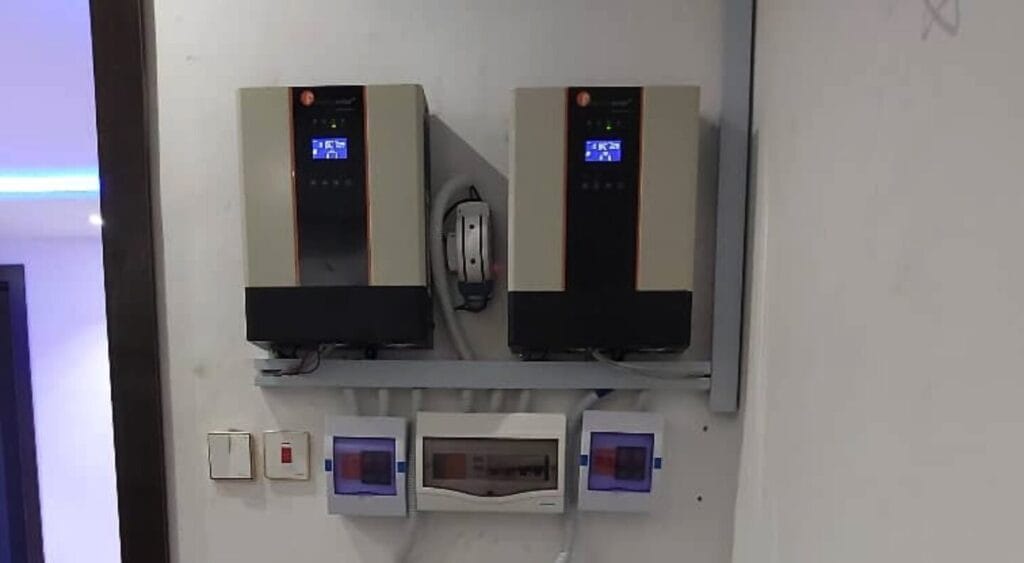
A 2.5kVA inverter can easily handle the basics in most homes—things like your fridge, TV, fan, LED lights, laptops, and other small gadgets—at the same time, as long as everything together doesn’t cross about 1,800 to 2,000 watts. That’s why plenty of people in small apartments or houses choose this size. It does the job for reliable backup without the hassle of firing up a generator.
But let’s be real: some appliances need way more power, like irons, kettles, air conditioners, or microwaves. Those will push your inverter past its safe limit and can cause overload. To keep a fridge, TV, and fan running smoothly, you’ll need the right battery setup and enough solar or charging power to match.
This guide covers what you can actually power with a 2.5kVA inverter, whether it’ll handle a fridge, TV, and fan all at once, and what kind of battery and solar setup fits best for homes in Nigeria.
| Appliance | Average Power (Watts) | 2.5kVA Inverter Support |
|---|---|---|
| LED Bulb | 10–15W | Yes (Multiple units) |
| Ceiling Fan | 60–75W | Yes (2–4 fans) |
| LED TV (32–43 inch) | 60–120W | Yes |
| Laptop | 40–60W | Yes |
| Wi-Fi Router | 10–20W | Yes |
| Refrigerator | 150–200W | Yes (with surge allowance) |
| Desktop Computer | 250–350W | Usually |
| Microwave Oven | 800–1000W | Not recommended |
| Electric Iron | 1000–1500W | No |
| Air Conditioner | 1200–2000W+ | No |
Last updated by John Tanko · April 22, 2026
Why Choose a Felicity Inverter?
If you’re searching for a reliable and affordable inverter for solar power systems, Felicity inverters are a solid choice. Popular across residential, commercial, and rural solar installations, Felicity inverters are known for their durability, ease of use, and compatibility with off-grid and hybrid solar setups.
A standout feature in many Felicity inverter models is the built-in MPPT solar charge controller, which improves charging efficiency and reduces system complexity. They also deliver pure sine wave output, which makes them safe for running sensitive electronics like refrigerators, TVs, laptops, and medical devices.
For homeowners and solar installers looking for a cost-effective solar inverter for home use, Felicity offers various models suited for 12V, 24V, or 48V battery systems. Their wide input range and multiple protection features—such as overload, over-temperature, and short-circuit protection—make them a smart choice for off-grid solar systems in areas with unreliable electricity.
Whether you’re powering a small home, farm, or remote business, a Felicity solar inverter delivers consistent performance without the high price tag of premium brands. For anyone looking to invest in a solar inverter with MPPT controller, Felicity provides excellent value backed by growing global support and availability.
What appliances can a 2.5kVA inverter run?
People use 2.5kVA inverters in small homes and apartments because they cover the essentials. Typically, you’ll get about 1,800 to 2,000 watts of usable power, depending on how efficient the inverter is and its power factor.
That’s enough for basic electronics like your fridge, TV, fans, lights, and a handful of small devices. For most folks, it’s a solid backup during outages or for a small solar setup.
But remember, it’ll only handle appliances if their total wattage stays below the inverter’s safe level. Big power-hungry gear—electric kettles, irons, water heaters, air conditioners—will overload the system fast.
In real life, you could run a fridge (around 150–200W), TV (60–100W), ceiling fan (50–75W), and a bunch of LED lights without a problem. So, for day or night use, paired with enough battery storage, a 2.5kVA inverter has your basics covered.
If you want a deeper breakdown of how inverter capacity affects home usage, you can also check our guide on how to power a 2-bedroom apartment with solar in Nigeria, where we explain full home load calculations and real setup examples for Nigerian households.
How Many Batteries for a 2.5kVA Inverter
Most 2.5kVA inverters run on a 24-volt battery setup, which means you’re connecting two 12-volt batteries in series. The battery size you pick decides how long your stuff stays powered when there’s an outage.
A lot of homes go with two 12V 200Ah deep-cycle batteries: affordable and enough backup time. You can use lithium batteries too—they last longer and handle deeper discharge better than old-school lead-acid ones.
If you use more power or want longer backup, bigger batteries like 220Ah or even lithium setups are worth considering. More battery capacity means your inverter can keep things running longer before you need to recharge.
Choosing the right batteries is key—it’s what keeps your system reliable and gives you decent runtime when the grid is down. battery selection is closely tied to system efficiency and charge control. For a better understanding of system stability and energy management, see our guide on the best charge controllers for solar panels in Nigeria, where we explain MPPT vs PWM and how it affects battery life.
How Many Solar Panels for a 2.5kVA Inverter
The number of solar panels for your inverter depends on how much energy you use every day and the panel wattage. Installers usually suggest between 800 and 1,500 watts of solar panels for a typical home.
A popular setup might be:
- Three 400-watt solar panels, providing around 1,200W of solar capacity
- Four 300-watt panels, providing approximately 1,200W total
That should be enough to recharge your battery bank during the day and keep your fridge, TV, fans, and lights up and running.
If you’re in a place like West Africa where the sun is strong, solar panels can pull in five to seven peak hours daily. That’s plenty for most household needs.
Experts often say it’s better to oversize your solar array a bit, so you don’t fall short during cloudy or dusty days. Solar panel pricing and quality vary widely in Nigeria, which can affect system performance. You can compare current market rates in our updated article on solar panel prices in Nigeria 2026 before choosing your setup.
2.5kVA Inverter Load Capacity Chart
Here’s a quick look at typical appliances a 2.5kVA inverter can handle, with their average power draw:
| Appliance | Average Power Usage | Can a 2.5kVA Inverter Run It? |
|---|---|---|
| LED Bulb | 10–15W | Yes |
| Ceiling Fan | 60–75W | Yes |
| LED Television | 60–120W | Yes |
| Laptop | 40–60W | Yes |
| Wi-Fi Router | 10–20W | Yes |
| Refrigerator | 150–200W | Yes |
| Desktop Computer | 250–350W | Usually |
| Microwave Oven | 800–1000W | Not recommended |
| Electric Iron | 1000–1500W | No |
| Air Conditioner | 1200–2000W+ | No |
As a rule, keep your total running load under 2,000 watts to keep the inverter steady. If you pile on too many big appliances at once, it’ll shut down or hit overload protection. Many people make costly mistakes when sizing their solar system, especially when calculating load requirements. To avoid common errors, read 5 big mistakes Nigerians make when buying solar before installing your system.
What kind of appliances are we discussing?
Even before we get into system specifications, let’s define what load is. Below is an approximate figure of what an average house consumes:
- Fridge: 150–200 watts (intermittent use, approx. 8–12 hours/day)
- TV: 60–100 watts (typically 4–6 hours/day)
- Fan: 50–75 watts (utilized 8–10 hours/day)
Average daily energy consumption: About 2.0 to 2.5kWh per day this will act as the basis for solar capacity calculation. If you’re exploring solar for business or long-term cost savings, you may also find our article on benefits of solar for businesses in Nigeria helpful for understanding return on investment and energy cost reduction.
Recommended Posts
What kind of solar system can support such a load?
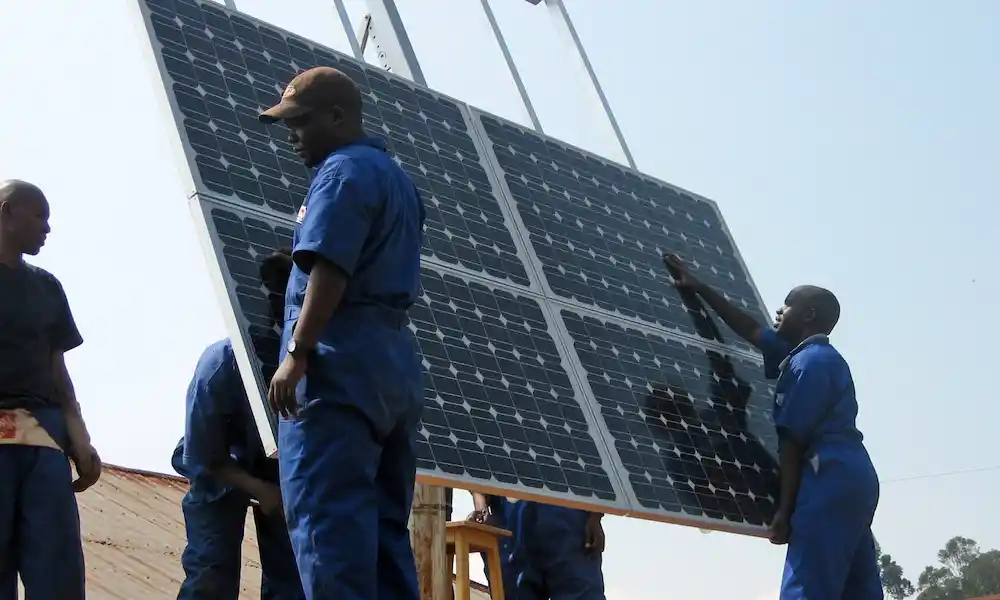
To be able to operate a fridge, TV, and fan with comfort during the day, your solar system should have the following:
1. Solar Panels:
- 4 to 6 panels of 400W
- Total: 1.6kW to 2.4kW
- Monocrystalline panels for greater efficiency and performance in low light conditions
2. Battery Bank:
- 2 to 4 deep-cycle batteries (12V, 200Ah)
- Lithium-ion for extended life and greater depth of discharge (greater usable energy)
3. Inverter
- 1.5kVA to 3kVA Pure Sine Wave
- Transforms DC power to AC power for use in household appliances
4. Charge Controller:
- 40A–60A MPPT for efficiency and safety is advisable
Estimated Cost (As of 2025): ₦1.3 to ₦2.2 million depending on location, brand, and quality of installation.
Customer Reviews from Nigerians using Solar Daily
Mrs. Ifeoma – Enugu:
“I installed a 2kW felicity solar system with 2 lithium batteries last year. My fan and fridge are always working throughout the day, and kids can watch TV during the night even if there is no light. It’s one of the best investments I ever made.”
Chinedu – Lagos Mainland
“I started off with just enough to power my TV and fan but upgraded after 3 months. Now I power my refrigerator, TV, fan, and even my computer. I don’t remember when I used my generator last.”
Aisha – Abuja:
“Because it is raining season, I have installed a second panel and battery for day-long backup. My system never disappointed me.”
These testimonials verify it’s not theory—Nigerians are already using solar to power major home appliances successfully.
Can Solar Energy Actually Power These Devices All Day in Nigeria?
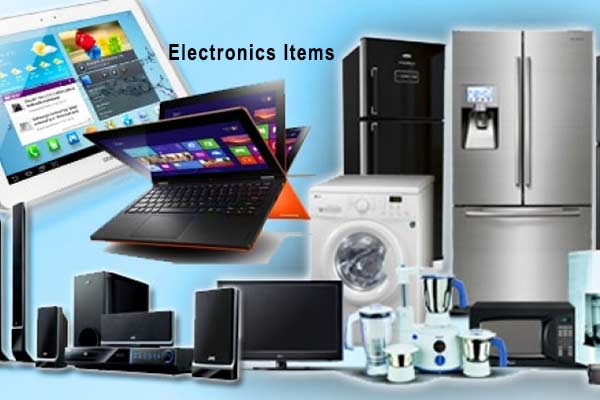
Yes but it depends on three things:
- Sunlight Hours: Nigeria receives 5–7 peak sun hours daily.
- Battery Backup: Enough capacity should be held to get through overnight.
- System Sizing: Properly computed installation avoids overloading.
Breakdown
- Daily energy needs: ~2.5
- Solar panel manufacturing: 2.4kW system × 5 sun hours = 12kWh/day
- Battery storage: 2 x 200Ah (12V) = 4.8kWh (approximately 2.4kWh usable with lead-acid)
So in fact, with a well-designed system, your needs will be 24/7.
What about Rainy Season or Harmattan Haze?
The solar output is reduced on dusty or cloudy days. But with proper planning, your system won’t shut down.
Pro Tips
- Large panels oversized 30%
- Add another battery for extra nighttime coverage
- Regularly clean panels to avoid dust settling on them during harmattan
How to Minimize Solar Costs Without Compromising Efficiency
- Use energy-efficient appliances: inverter fridges, LED TVs
- Use DC fans: consume less energy
- Install solar timers to limit night-time use
- Avoid buying unbranded or counterfeit panels and batteries
Solar Plan for a Small Nigerian Household
| Component | Specs |
|---|---|
| Solar Panels | 6 × 400W = 2.4kW total |
| Inverter | 2.5kVA Pure Sine Wave |
| Battery Bank | 2 × 200Ah (Lithium preferred) |
| Charge Controller | MPPT 60A |
| Cost Estimate | ₦1.7M – ₦2.2M |
This setup powers your fridge, TV, and fan comfortably all day.
Tips from Installers
- Always buy from certified solar dealers
- Use same-brand batteries and charge controller whenever possible
- Don’t use vendors who don’t do load calculations
Frequently Asked Questions About 2.5kVA Inverters
Can a 2.5kVA inverter run a fridge, TV, and fan at the same time?
Yes—no problem, as long as the combined power stay under the 1,800–2,000 watt limit. A fridge pulls about 150–200 watts, the TV about 60–120, and a fan 50–75. Together, that’s well within what the inverter can handle.
How many batteries does a 2.5kVA inverter need?
You’ll need two 12-volt batteries connected in series for a 24-volt system. Battery capacity—usually between 150Ah and 220Ah—controls how long your gear runs during a blackout. Bigger batteries give you more backup.
How many solar panels to power a 2.5kVA inverter?
Most setups use 800 to 1,500 watts in solar panels. That might mean three 400-watt panels or four 300-watt ones. The best number depends on your daily energy use and the sunlight you get.
What shouldn’t you plug into a 2.5kVA inverter?
Avoid plugging in high-power appliances like irons, kettles, water heaters, microwaves, and air conditioners—these draw way more power than the inverter can supply safely.
What’s the max load a 2.5kVA inverter can handle?
Even though it’s rated at 2.5kVA, most inverters really deliver about 2,000 watts after factoring in efficiency. Keep your total load below that to prevent overloads.
Can a 2.5kVA inverter power a small home?
Yes. It’s perfect for small homes or apartments with essentials—lights, fans, TVs, routers, laptops, and a fridge. You’ll get reliable backup for all your main electronics.
Final Thoughts: Solar Can Power Your Home—If Done Right
Absolutely, solar power can power your TV, refrigerator, and fan during the daytime in Nigeria. But for you to be successful, you’ll need to make good calculations, use quality components, and work together with appropriate experts. Don’t hurry. Take your time considering your energy needs, planning for seasonality, and buying equipment that will endure.
Thinking about solar? Start with a free load analysis or consult an experienced local installer.
Author

John Tanko is the founder of Top Solar Picks and a solar energy researcher whose work has been featured in leading technology and sustainability publications. Learn more on our About page.