
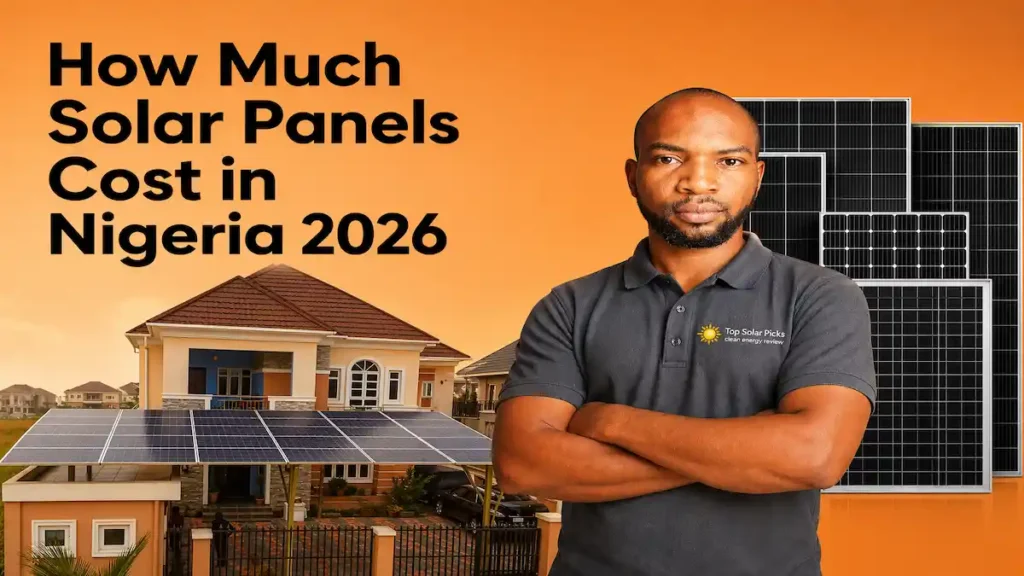
Solar panels cost in Nigeria in 2026 mostly come down to capacity, brand, and how efficient the panels are. People buying for home use usually stick to a pretty predictable price range. Smaller setups are easier on the wallet, but if you want enough power for everything in your house or business, you’ll pay a lot more.
Basically, you can expect to pay around ₦40,000 for a small 100W panel, while the bigger, high-efficiency 1000W systems push past ₦300,000. Prices also depend on where you live, the supplier you use, and whether you’re picking a full installation package or just a panel.
For most homes in Nigeria, the panels people pick are in the 300W to 500W range. This size hits a good balance—low enough in cost but strong enough to actually make a difference in daily power use.
Last updated by John Tanko, April 23, 2026
Solar power gives you clean, quiet electricity and can save money over time. It’s honestly a solid upgrade from noisy diesel or petrol generators. Still, the price of solar panels, inverters, batteries, and setting everything up can swing a lot, depending on how much power you need, which brand you choose, and where you live.
So, here’s a fresh guide for 2026. Inside, you’ll see the latest solar panel prices in Nigeria, top choices for inverters, which solar generators are getting the most attention right now, what installation really costs, and trusted brands like Felicity Solar. The goal? To help you pick the right solar setup for your budget and how much power you actually use.
Solar Panel Size Comparison (100W vs 300W vs 500W)
Knowing about different panel sizes helps you figure out what fits your power needs and your budget best. Here’s a quick breakdown:
| Solar Panel Size | Best For | What It Can Power | Average Price (2026) |
|---|---|---|---|
| 100W Panel | Basic use / beginners | Phone charging, small LED lights | ₦40,000 – ₦50,000 |
| 300W Panel | Small homes | Lights, TV, fans, laptops | ₦90,000 – ₦105,000 |
| 500W Panel | Medium homes | Fridge, TV, fans, multiple devices | ₦145,000 – ₦165,000 |
Most families go for the 300W or 500W setups—they’re affordable and powerful enough to handle regular day-to-day needs without blowing the budget on panels you don’t really need.
Cost of Installing Solar in Nigeria (2026)
Solar installation prices aren’t set in stone. They change depending on how much electricity you need, the size of your system, and the quality of each part—panels, battery, inverter, and installation labor.
In 2026, you’re looking at something like ₦150,000 for a really basic setup, but a full home system with lithium batteries and a bigger inverter can cost over ₦1,200,000.
Most mid-range setups for homes give you:
- Solar panels (from 300W up to 1000W)
- Battery storage
- Inverter (usually 2.5kVA–5kVA)
- Charge controller and wiring
- Professional installation
The more things you want to run—fridge, TV, fans, extra lights—the more cash you’ll need for your installation. before installing your system, it’s important to avoid common mistakes—see the 5 costly solar installation mistakes in Nigeria you should avoid before buying solar.
How much is a solar panel in Nigeria (2026)
Solar panel prices in Nigeria swing up and down, depending on a bunch of things—the power output, the tech (like monocrystalline or polycrystalline), the brand, and how good the panel actually is.
Here’s a closer look at what you can expect to pay on average:
Planning to go solar in 2026? Here’s a realistic look at what solar panels are currently selling for in Nigeria. While prices can change slightly based on availability and system size, these figures reflect what most buyers are paying right now.
- 100W Solar Panel: ₦40,000 – ₦50,000
- 300W (12V) Solar Panel: ₦90,000 – ₦105,000
- 500W Solar Panel: ₦145,000 – ₦165,000
- 1000W Solar Panel: ₦270,000 – ₦300,000
Prices can move up or down depending on the brand, where you buy from, and market demand at the time. Before making payment, it’s always wise to confirm current prices from a trusted supplier.
These prices come from major online stores and trusted sellers in cities like Lagos, Abuja, and Port Harcourt. Prices might change a bit depending on where you are.
Why This Matters for Your Solar Choice
Getting the right solar system in Nigeria isn’t just about the price tag. You want something that covers your real energy needs, not just what’s cheapest. If your system is too small, you might save a little at first, but you’ll miss out on powering the appliances you care about. More power means better reliability—which costs more, but it pays off in the long run.
With constant power cuts, a lot of homeowners are now combining 500W or larger systems with lithium batteries and efficient inverters. This setup just makes a lot more sense if you want steady electricity and better savings down the line.
Wondering how much a 1000W solar panel costs in Nigeria? Right now, you’ll usually pay somewhere between ₦270,000 and ₦300,000, depending on the brand and how efficient the panel is. That’s enough power to handle a medium-sized home, a small business, or even serve as backup for an office.
Types of Solar Panels
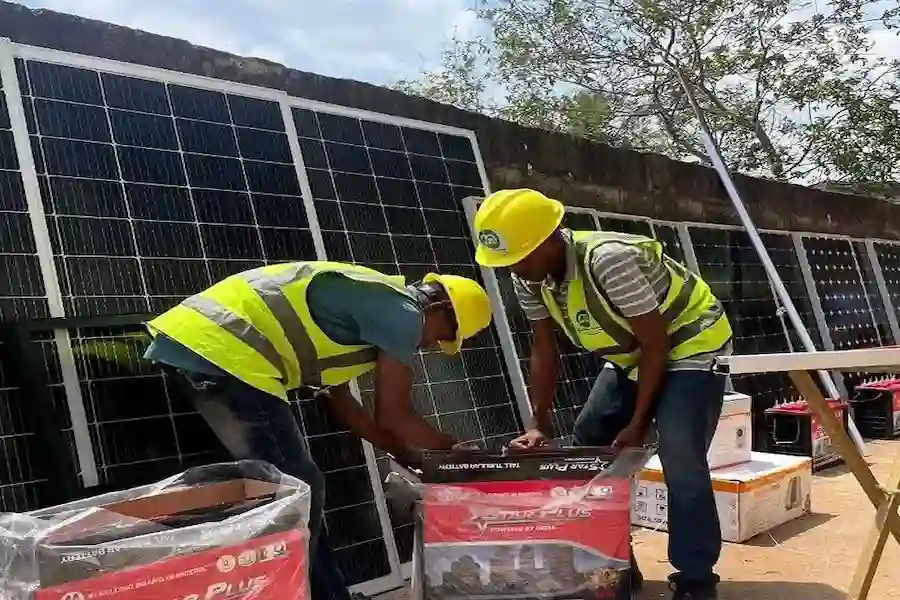
There are different types of solar panels available:
There’s a few types of solar panels out there. Monocrystalline panels are top performers — really efficient and they last for ages, but they’ll cost you more. Polycrystalline panels are easier on your wallet and pretty common, though they don’t work quite as well. Then there’s thin–film panels. These are light and flexible, but you give up some performance for that convenience.
Buying Solar Panels on Jumia and Jiji
If you’re looking to buy, Jumia and Jiji.ng are the big online spots. On Jumia, you’ll see panels from 100W up to 500W, usually priced between ₦40,000 and ₦160,000. The nice thing is, you get warranties, returns, and buyer protection — plus, you can pay when your order arrives. Jiji.ng is more like an open market. You chat with sellers directly, and you’ll spot both new and used panels. Just make sure to check for a warranty and try out the product before you hand over your cash.
delivered. On the other hand, Jiji is more like an open market where you can talk directly to sellers. You might find both new and used solar panels there. However, it’s important to check for warranties and test the products before buying.
Solar Panel and Battery Prices in Nigeria
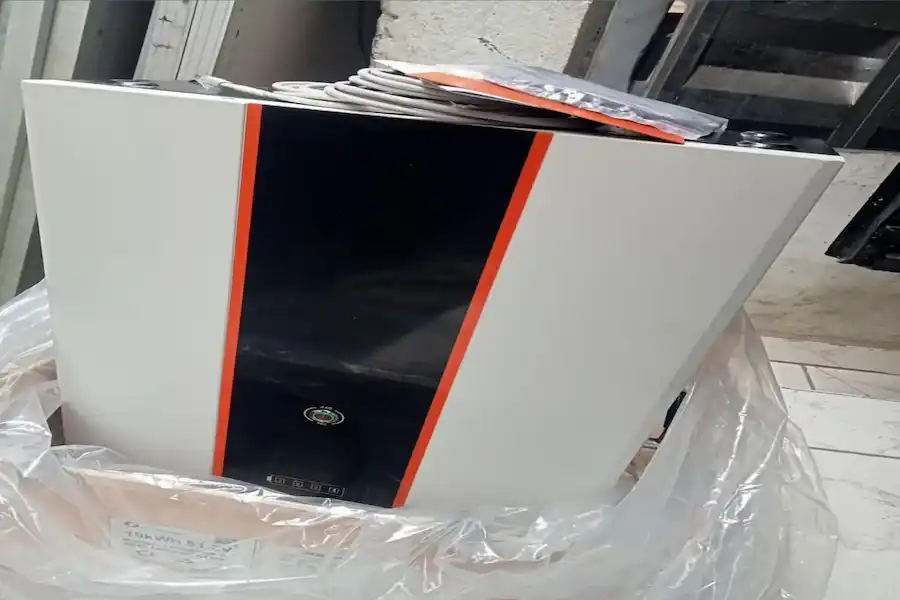
A complete solar system needs a panel, battery, charge controller, and inverter. Batteries store the electricity made during the day for use at night or during power cuts. Here’s a quick look at battery prices:
| Component | Price Range |
| 12V 200Ah Battery | ₦290,000 – ₦400,000 |
| Lithium Battery 24V | ₦,800,000 – ₦1.200,000 |
So, if you want a 300W panel combined with a 12V 200Ah battery, expect to pay about ₦470,000 to ₦510,000. But if you add a good inverter and charge controller, your total cost might go up to ₦950,000 – ₦1.200,000.
What Are the Types of Solar Batteries
Not all solar batteries are the same—each has its own ups and downs. Lead acid batteries are cheap and pretty bulky. Honestly, they don’t last forever, so you’ll probably replace them sooner than you’d like. AGM and gel batteries come sealed up tight and don’t need much fussing over. They’re a bit more hands–off, which is nice. Then there are lithium-ion batteries. These cost more up front, but they make up for it. They’re efficient, last way longer, and you don’t have to think about them much once they’re installed.
When you’re choosing a battery, look at how long it lasts, how much power it can hold, and what kind of warranty you get. Nine times out of ten, lithium batteries come out on top—they’re durable and don’t need much attention.
Solar Inverters in Nigeria (2026)
Solar inverters matter a lot. They take the direct current (DC) your solar panels make and turn it into alternating current (AC) that your home actually uses. Without an inverter, your solar setup won’t power most things around the house. Some of the big names in Nigeria right now include:
- Su-Kam: Known for being reliable and moderately priced.
- Luminous: Commonly used in homes.
- Mercury: Available in many cities.
- Felicity Solar Inverter: Gaining popularity for being reliable and affordable.
Felicity Solar offers pure sine wave inverters with capacities from 1.5kVA to 10kVA at the following prices:
- 1.5kVA: ₦230,000 – ₦250,000
- 3.5kVA: ₦500,000 – ₦590,000
- 2.5kVA: ₦435,000 – ₦470,000
- 5kVA: ₦550,000 – ₦650,000
- 10kVA: ₦1,7,000 – ₦1,8,000
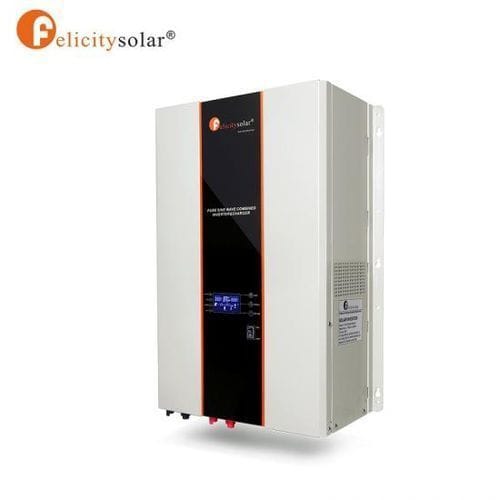
What is the price of a Felicity Solar Inverter in Nigeria?
Prices start from around ₦230,000 for entry-level models and go up depending on the power capacity and features.
Inverters come in different types:
Modified Sine Wave Inverters: Cheap but noisy and not suitable for sensitive appliances.
Pure Sine Wave Inverters: Stable and safe for all appliances.
For households, pure sine wave inverters are recommended. Not sure what inverter size fits your appliances? See what a 2.5kVA inverter can run including fridge, TV, and fans in Nigeria.
Felicity Solar Nigeria: Full Product Review (2026)
Felicity Solar is a global solar product brand, and it’s especially well-known in Nigeria for its durable solar inverters, lithium batteries, and panels. Their products are designed for both urban and rural electrification.
Felicity Solar Price List (2026):
| Product | Price Range |
| Felicity 300W Solar Panel | ₦89,000 – ₦105,000 |
| Felicity 500W Solar Panel | ₦145,000 – ₦165,000 |
| Felicity Solar Inverter (1.5kVA) | ₦230,000 – ₦270,000 |
| Felicity Solar Lithium Battery | ₦800,000 – ₦900,000 |
What is the Felicity Solar price in Nigeria?
Depending on the product type, prices range from ₦89,000 for panels to over ₦1,8,000 for lithium batteries and larger inverters.
Solar Generators in Nigeria
Solar generators are convenient because they combine solar panels, inverters, batteries, and charge controllers into one package. They are perfect for people who want a simple setup without complicated wiring. Some benefits of solar generators include:
Portability
No fuel cost
Silent operation
Great for small homes, students, and outdoor events
These generators work well for those in small homes, students, or outdoor events.
What is the best solar generator for refrigerator use?
A 1000W solar generator with lithium-ion storage is recommended for powering refrigerators. Look for options with at least 800Wh battery capacity.
Some models also offer mobile app connectivity and fast-charging features. They’re great for those who need reliable power on the go or during emergencies.
How to Choose the Right Solar System in Nigeria
When deciding on a solar system, consider how much energy you use, your budget, and the space you have. Here are some suggested setups:
| Need | Suggested Setup |
| Basic lighting & charging | 100W panel + 100Ah battery + small inverter |
| Home with fridge & fans | 500W panel + 200Ah battery + 2.5kVA inverter |
| Full house + appliances | 1000W+ panel + lithium batteries + 5kVA inverter |
A few extra tips include:
Opt for lithium batteries for longer lifespan
Use MPPT charge controllers for efficiency
Hire a certified solar installer for large setups
For better system performance, MPPT charge controllers are highly recommended—see the Felicity MPPT charge controller review (60A & 80A price in Nigeria 2026).
Questions People Frequently Asked
1. What is the 500W solar panel price in Nigeria?
Expect to pay between ₦145,000 and ₦165,000 depending on the brand and location.
2. Where can I buy cheap solar panels in Nigeria?
Check platforms like Jumia, Jiji, and local vendors in major cities like Lagos and Abuja.
3. Is Felicity Solar a good brand?
Yes, it’s known for durable and affordable solar inverters, panels, and batteries.
4. Can a solar generator power a fridge?
Absolutely. A 1000W solar generator with lithium battery support is sufficient for most refrigerators.
5. What is the best solar system setup for homes in Nigeria?
A 1000W+ panel system with lithium batteries and a 5kVA inverter is ideal for full-house usage.
6. Can I use solar to power my small business?
Yes. Many businesses in Nigeria are now using solar to reduce generator costs and ensure reliable electricity.
7. How long do solar batteries last?
Lead-acid batteries last 2-5 years, while lithium-ion batteries can last up to 10 years with proper care.
Conclusion
As Nigeria‘s electricity supply remains unstable, more people are turning to solar energy in 2026. It is a dependable, cost-effective, and eco-friendly choice. If you are looking for the best solar panel prices, comparing Felicity Solar products, or choosing a good solar generator, this guide will help. Switching to solar energy isn‘t just about saving money – it’s about gaining independence, stability, and peace of mind. Making this investment can protect your family or business from power shortages and rising fossil fuel costs. before installing a solar system, it’s important to avoid expensive errors—see the 5 costly solar installation mistakes in Nigeria you should avoid before buying solar.
Author

John Tanko is the founder of Top Solar Picks and a solar energy researcher whose work has been featured in leading technology and sustainability publications. Learn more on our About page.