
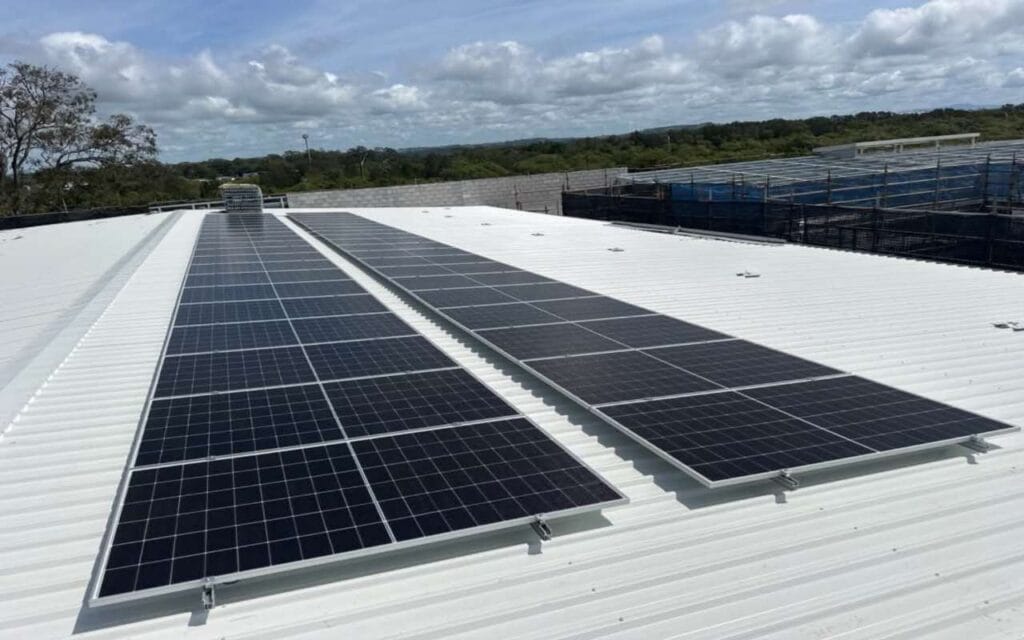
Texas doesn’t offer its own solar tax credit right now, but there’s still a way for homeowners to save big. The federal 30% solar tax credit, plus local rebates, property tax exemptions, and solar buyback programs, can knock thousands off the price—anywhere from $5,000 to $15,000, depending on how much power you use, how big your system is, and if you add battery storage.
A lot of people searching for “Texas solar incentives” expect a state-specific tax credit. It’s easy to see why, but most of the deals actually come from federal incentives and what your local utility offers, not from Texas itself. Even so, Texas stays near the top for residential solar because the state gets loads of sunshine, cooling costs keep climbing, and the electricity market is really competitive.
This guide on Texas Solar Incentives was last updated by John Tanko on May 12, 2026, to ensure accurate and up-to-date information for homeowners, farmers, and off-grid users.
In a lot of cities, summer electric bills shoot up because of heavy air conditioner use. Solar panels can cover a big chunk of your daytime energy needs. When you add in the federal Residential Clean Energy Credit and the solar buyback plans that several Texas electricity providers offer, homeowners who plan on staying put for years can see some pretty serious long-term savings.
But before you install a solar system, you really need to know which incentives actually exist in 2026 versus which ones are just marketing talk. Some people only look at the sticker price for panels, forgetting about things like battery costs, export rates, how they’re going to finance the project, or even whether they’ll save on property taxes. Others assume all utilities offer full net metering, even though most buyback programs work differently now.
The reality is that, solar in Texas can be a great deal, but the financial outcome depends a lot on how you design your system, what local power rates are, what condition your roof is in, and which incentives are actually available where you live.
The Federal Solar Tax Credit Remains the Biggest Incentive
In 2026, the biggest solar incentive most Texas homeowners can use is still the federal Residential Clean Energy Credit. This one lets you claim 30% of your total solar system installation costs as a federal tax credit.
This isn’t just a tax deduction that lowers your taxable income—it directly knocks off that amount from the taxes you owe. That’s a big deal because it takes thousands off the real price of your system.
The credit applies to much more than just the panels themselves. Installation labor, inverters, electrical equipment, mounting hardware, wiring, permits, and battery storage systems can all qualify when installed as part of a residential solar project.
For example, if a homeowner installs a solar system costing $24,000, the federal tax credit could reduce their tax liability by approximately $7,200. That immediately brings the effective cost closer to $16,800 before factoring in any local incentives or electricity savings.
Battery storage systems are also eligible under current federal rules, which has made home backup systems increasingly popular in Texas following years of grid reliability concerns and major weather-related outages.
The 30% credit is currently scheduled to remain available through 2032 before gradually decreasing unless federal legislation extends it again.
Texas Does Offer One Major Tax Advantage
Although Texas does not provide a statewide solar income tax credit, the state does offer a valuable property tax exemption for residential solar systems. under normal circumstances, major home improvements that increase property value can also raise annual property taxes. Solar panels often increase resale value because buyers recognize the long-term benefit of reduced electricity bills. In many states, that increase in home value can lead to higher tax assessments.
Texas handles this differently. Homeowners are allowed to exclude the added value created by their solar installation from property tax calculations. In practical terms, this means homeowners can increase the value of their property without increasing their property tax burden because of the solar upgrade itself. over the lifespan of a system, this exemption can quietly save homeowners thousands of dollars that would otherwise be lost to increased tax assessments.
Solar Buyback Plans Are a Big Part of Solar Savings in Texas
Because of Texas’s competitive electric market, things operate differently here. Instead of a uniform statewide net metering program, most homeowners use solar buyback plans from retail electric providers. these plans let you send excess solar energy to the grid and get credits on your bill, but not all providers handle it the same way.
Some offer great rates for the extra power you send back—almost as good as what you pay for your electricity. Others might pay you less, closer to wholesale prices. And some put limits on how much credit you can get, or don’t let your credits roll over from month to month. because of these differences, choosing the wrong electricity plan can significantly reduce long-term solar savings even if the solar installation itself is excellent.
Providers such as Green Mountain Energy, TXU Energy, Reliant, and Rhythm Energy continue to offer solar-compatible plans in many parts of Texas, although terms change frequently based on market conditions and electricity pricing.
This is one reason Texas homeowners should never choose a solar installer without also reviewing available electricity plans in their area. The long-term value of solar is affected not only by panel production but also by how exported electricity is credited over time. many homeowners also want to know whether solar panels increase property value before investing in a long-term installation.
Why Solar Performs Well in Texas
Texas has become one of the fastest-growing solar markets in the country for several practical reasons. The state receives strong sunlight throughout most of the year, and residential electricity consumption tends to be higher than the national average because of extended air-conditioning usage during long summer seasons. most homeowners use solar buyback plans from retail electric providers. these plans let you send excess solar energy to the grid and get credits on your bill, but not all providers handle it the same way.
Some offer great rates for the extra power you send back—almost as good as what you pay for your electricity. Others might pay you less, closer to wholesale prices. And some put limits on how much credit you can get, or don’t let your credits roll over from month to month. air conditioning is usually the biggest electricity hog from late spring through early fall. Luckily, solar panels are busiest generating power during those hot, sunny days—right when you’re running the AC the most.
That match-up is one reason solar pays off better in Texas than in cooler places where home energy use peaks at night. another thing to keep in mind: electricity prices here can be pretty volatile, and in some parts of Texas, they’ve gone up a lot. With solar, you’re less exposed to unexpected hikes in your energy bills. if you have a big house, an EV, a pool, or you use a lot of electricity during the day, you’ll probably notice the financial benefits even more over the years.
What Solar Installation Actually Costs in Texas
Homeowners often make the mistake of thinking the advertised panel price is all they’ll pay. Really, a full system involves more than just the panels. in 2026, most residential solar systems in Texas run between $18,000 and $30,000 before incentives. The price depends on how big the system is, how complicated your roof is, the type of equipment, and whether you want to add a battery. If you own a regular medium-sized home, you’re likely looking at a 6 to 8 kW system. If you burn more electricity, you’ll need a larger system to actually save on your bills. Choosing the best-performing residential solar panels can significantly improve long-term energy production and savings.
If you want battery storage, that’ll bump up your overall cost a lot. A whole-home backup battery usually adds $8,000 to $18,000, depending on how much storage you want and the brand you pick. Batteries are great for backup and more energy independence, but they don’t always give you the fastest return on your investment compared to just panels.
After applying the federal 30% solar tax credit, many homeowners reduce their effective project cost substantially. A $25,000 installation, for example, may effectively fall closer to $17,500 after the federal credit is applied. that still represents a major investment, but one that can generate long-term electricity savings for decades. homeowners concerned about outages often research the best solar batteries for backup power before adding storage to their systems.
Are Solar Batteries Worth It in Texas?
Battery interest has increased sharply in Texas following concerns about power outages and grid reliability during extreme weather events. for some homeowners, batteries are no longer just about saving money. They are about maintaining power during outages, keeping refrigerators running, supporting medical equipment, or avoiding disruptions during severe weather. system performance also depends heavily on how to choose the right inverter and battery setup for your home’s energy usage.
Systems such as the Tesla Powerwall, Enphase IQ Battery, FranklinWH, and Generac PWRcell have become increasingly common in Texas residential installations. however, batteries are not automatically the right financial choice for every homeowner. for households focused strictly on maximizing return on investment, solar panels alone often provide faster payback periods because battery systems remain expensive relative to the amount of electricity they store. but for homeowners who value backup protection and energy independence, battery storage can add practical value beyond simple financial calculations.
How Much Can Homeowners Actually Save?
The answer depends heavily on electricity usage patterns, roof conditions, local utility rates, and system size. homes with large daytime electricity demand usually benefit the most because solar panels offset expensive peak-hour electricity usage. In Texas, that often means homes running air conditioning for long periods during hot summer months. many homeowners save between $1,500 and $3,500 annually after installing solar depending on usage and local electricity pricing.
Over a 25-year panel lifespan, long-term savings can become substantial, particularly if utility rates continue rising over time. most systems reach financial payback somewhere between 6 and 12 years. After that point, the remaining electricity production essentially becomes low-cost energy generation for the rest of the system’s lifespan. modern solar panels are generally designed to continue operating for 25 years or more, although production gradually declines slightly over time. homeowners comparing average residential solar installation costs should also factor in battery storage, inverter sizing, and long-term electricity usage.
Frequently Asked Questions About Texas Solar Incentives
Does Texas have a state solar tax credit in 2026?
No. Texas does not currently offer a statewide solar income tax credit for residential solar installations. Most homeowner savings come from the federal 30% Residential Clean Energy Credit, local utility rebates, property tax exemptions, and solar buyback programs.
Is the 30% federal solar tax credit still available in Texas?
Yes. Texas homeowners can still qualify for the federal Residential Clean Energy Credit in 2026. The program currently allows homeowners to claim 30% of eligible solar installation costs, including solar panels, inverters, labor, permits, and battery storage systems.
How much can solar panels save in Texas?
Savings vary depending on electricity usage, system size, roof conditions, and local utility rates. Many Texas homeowners save between $1,500 and $3,500 per year after installing solar panels, especially during high summer air-conditioning usage.
Are solar batteries worth it in Texas?
For homeowners concerned about outages and grid reliability, battery storage can be extremely valuable. However, batteries significantly increase upfront installation costs. Homeowners focused mainly on faster financial payback often see stronger returns from solar panels alone without battery storage.
Does Texas offer net metering?
Texas does not have a statewide net metering law. Instead, many electricity providers offer solar buyback plans that provide bill credits for excess electricity exported to the grid. Compensation rates and plan structures vary depending on the provider.
What is the average cost of solar panels in Texas in 2026?
Most residential solar systems in Texas cost between $18,000 and $30,000 before incentives. After applying the federal 30% tax credit, many homeowners reduce their effective cost substantially.
How long does it take for solar panels to pay for themselves in Texas?
Most Texas homeowners see solar payback periods between 6 and 12 years depending on electricity usage, system cost, financing terms, and local energy rates.
Do solar panels increase home value in Texas?
In many cases, yes. Homes with solar systems often become more attractive to buyers because of lower electricity costs. Texas also offers a property tax exemption that prevents homeowners from paying additional property taxes on the added home value created by solar installations.
Is Texas a good state for solar panels?
Yes. Texas receives strong sunlight throughout most of the year, making it one of the better states for residential solar production. High summer electricity usage and rising cooling costs also improve long-term solar savings potential for many homeowners.
Can you run a house completely on solar in Texas?
Yes, but fully off-grid solar systems usually require large battery storage systems and backup power planning. Most homeowners in Texas choose grid-connected solar systems because they are more affordable and allow access to solar buyback programs.
Is Solar Still Worth It in Texas in 2026?
For many homeowners, yes. Texas remains one of the strongest residential solar markets in the United States because of its sunlight conditions, long cooling seasons, and continued growth in electricity demand.
The federal 30% solar tax credit is still available, electricity costs remain a concern for many households, and solar equipment has become more efficient than it was several years ago.
That does not mean every installation automatically makes financial sense. Homes with severe roof shading, low electricity usage, or poor roof orientation may see slower returns. Some homeowners also overpay for systems because they fail to compare installer quotes carefully.
But for homeowners with strong sunlight exposure and high electricity bills, solar continues to provide one of the more realistic long-term strategies for reducing utility costs and improving energy independence.
The most successful solar projects usually come from careful planning rather than aggressive sales pitches. Understanding incentives, comparing buyback plans, sizing the system correctly, and evaluating long-term electricity usage matter far more than chasing the cheapest advertised installation price.
In 2026, Texas homeowners still have access to meaningful solar incentives. The key is understanding where the real savings come from—and separating them from the marketing claims that often surround the solar industry. rising electricity prices are one of the main reasons many homeowners are now evaluating whether solar is still worth the investment for homeowners before installing a system.
Author

John Tanko is the founder of Top Solar Picks and a solar energy researcher whose work has been featured in leading technology and sustainability publications. Learn more on our About page.