Solar isn’t niche anymore. In a lot of places, it’s the new normal for energy — and 2026 looks like a turning point. Panel efficiency keeps climbing, with several big names now making commercial modules that break the 24% mark. And it’s not just about squeezing out more watts. New cell techs like TOPCon, heterojunction (HJT), and advanced back-contact designs are making panels tougher and more reliable in the real world.
But here’s the thing: just because a panel’s more efficient doesn’t mean it’s automatically the better deal.
What really matters is how a panel handles decades in the real world — heat, humidity, dirt, storms, you name it. Two panels might both say “24% efficiency” on the box, but one could crank out way more energy over its life depending on how fast it degrades, how it handles hot days, and how well it’s put together.
If you’re investing in solar in 2026, whether you’re a homeowner or running a business, the smart move is to look at total lifetime energy. That number matters way more than the highest efficiency figure you see in a lab.
How Top Solar Picks Picked the Best Solar Panels for 2026
To really compare the top solar panels this year, you have to look at how they perform out in the wild, not just what they do in perfect lab conditions.
One of the biggest things that affects performance? Heat. All panels lose some punch as they get hotter, but the best ones handle the heat better, which means more electricity — especially on summer afternoons when you need it most.
Degradation is just as big a deal. Good panels these days lose about 0.25% of their output each year. Cheaper ones? More like 0.4%. That difference adds up over 25 or 30 years, both in energy and savings.
And then there’s the company behind the panel. A 25-year warranty means nothing if the company disappears in ten. You want a manufacturer with a solid track record and the muscle to stick around.
Last thing: we cared way more about how much energy a panel makes over its life, and how much that energy costs per kilowatt-hour, than just the sticker price. Sometimes paying a bit more upfront means thousands of extra dollars in electricity over the years.
The Best Solar Panels of 2026
Maxeon 7: The Gold Standard for Long-Term Performance
Maxeon’s not chasing the highest efficiency numbers just for bragging rights. For years, they’ve focused on durability and how much energy a panel actually holds onto over time. The Maxeon 7 sits right at the 24% efficiency mark, but what sets it apart is how it just keeps delivering, year after year.
Its interdigitated back-contact cell design ditches the front metal grid lines, so more sunlight actually makes it into the cell. It also means less mechanical stress over time. That’s a big reason why these panels keep putting out strong numbers long after others start to fade.
What really makes Maxeon pop in 2026 is how well it handles tough conditions. Heat, partial shade, you name it — independent tests show these panels keep cranking when others drop off.
If you’re planning to stay in your home for the long haul, or you’ve only got so much roof space, Maxeon 7 is still one of the safest bets out there.
Aiko ABC Series: Chasing the Edge of Efficiency
Aiko’s the name on everyone’s lips lately, and for good reason. They’re obsessed with efficiency, and their advanced back-contact tech is pushing the limits of what silicon panels can do.
By moving all the contacts to the back of the cell, these panels cut down on shading and soak up more sunlight. That means crazy high energy density. If you’re short on roof space, these are a lifesaver.
Yeah, they’re priced at the premium end, but honestly, this is where the whole industry’s headed. Everyone’s racing to squeeze out as much efficiency as possible.
Jinko Tiger Neo Series: Big Efficiency Without the Big Price Tag
Jinko’s Tiger Neo panels show just how fast TOPCon has gone from “new tech” to “industry standard.” A couple years ago, it was the next big thing. Now in 2026, it’s everywhere.
TOPCon helps the panel pull more electricity out of every ray of sun, and it shrugs off heat better than older designs. If you live somewhere hot, that matters.
For folks who want great efficiency and reliability without paying through the nose, the Tiger Neo series hits a real sweet spot.
LONGi Hi-MO Series: High Performance for the World’s Rooftops
LONGi stands out in the solar world. Their Hi-MO series blends smart cell design with massive manufacturing power, so you get solid efficiency without the price tag shooting through the roof.
Honestly, that balance is why so many people choose LONGi panels for both homes and businesses. Most folks care more about the whole system making sense financially than squeezing out every last drop of efficiency.
Another thing—LONGi moves fast. When a new technology works, they ramp it up quickly, which pushes solar costs down worldwide.
REC Alpha Pure Series: Built for Trust, Not Just Numbers
REC’s approach is different. They put consistency and quality first, not getting caught up in the efficiency race. The Alpha Pure series delivers steady real-world results, thanks to tight manufacturing standards.
Installers like REC because the panels behave the way you expect, wherever you put them. And for most homeowners, that kind of reliability means more than a tiny bump in lab-tested efficiency.
Solar Panel Tech in 2026: What’s Actually Changing
The biggest thing shaking up the industry right now? N-type solar cells. They last longer and don’t fade as fast as the older P-type versions.
TOPCon technology is everywhere these days, giving you better efficiency without sending costs through the ceiling. Heterojunction panels are still out there too, especially where heat is a problem and you need top-tier performance.
If you want the absolute highest efficiency, back-contact panels still lead the pack—but they’re tricky and expensive to make.
What Solar Panels Really Cost in 2026
People are always surprised—panel price isn’t the whole story. How well your system performs depends a lot on the installation, the inverter, and the system design. The brand matters, but within a quality range, it’s not everything.
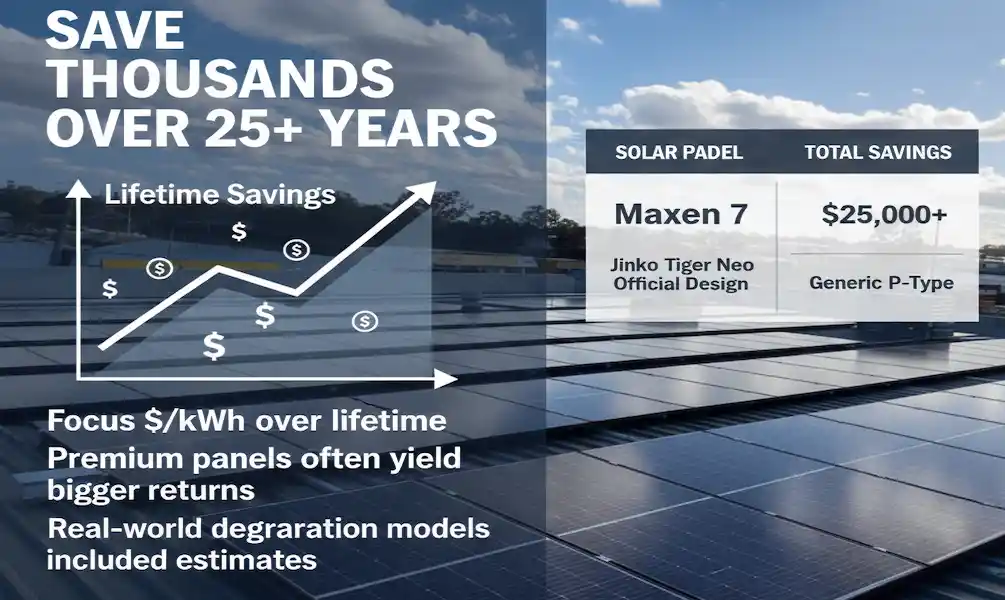
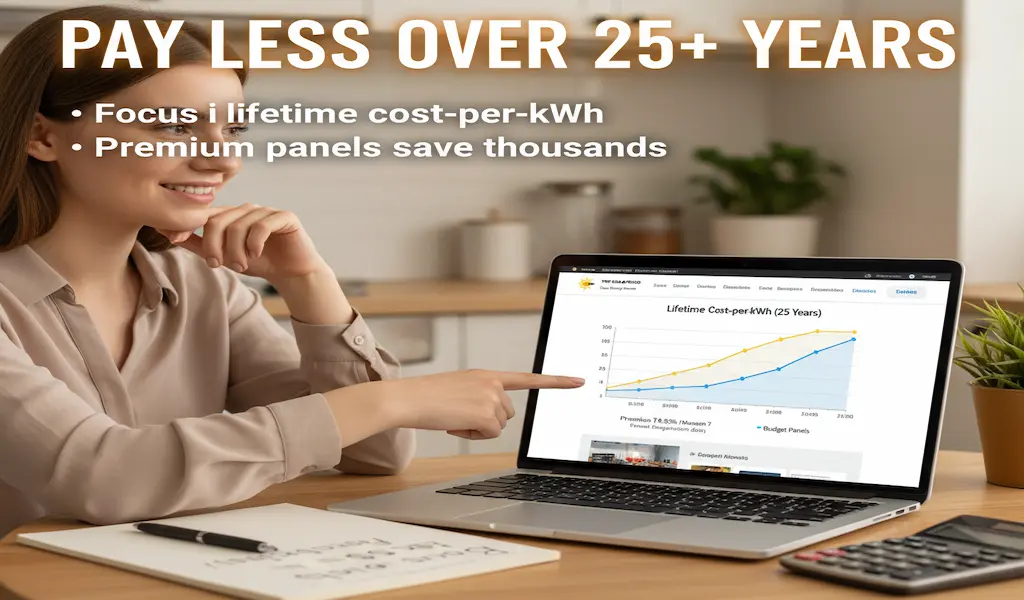
Top-tier panels cost more upfront, sure, but they crank out more power over the years. If you look at cost per kilowatt-hour over a panel’s lifetime, sometimes the premium option actually saves you money.
Related Posts
EcoFlow, Bluetti, Jackery, and Eco-Worthy: Best Solar Panel Brands in 2026
Compare leading portable solar and power storage brands based on performance, reliability, and value.
Solar Energy Advantages and Disadvantages: 2026 Breakdown
A clear look at the real benefits and limitations of solar energy for homes and businesses.
How Many Solar Panels Do You Need to Power a House?
Learn how to estimate panel requirements based on energy use, home size, and location.
Off-Grid Solar System: How It Works and What You Need to Know
Understand off-grid solar setups, including batteries, inverters, and system sizing basics.
Why Your Climate Matters for Solar
Where you live changes everything. Heat, humidity, dust, and clouds all take a bite out of solar output.
Panels that shrug off high temps and resist long-term wear give more stable results, especially in hot places where panel temperatures soar way past the air temperature.
The Future of Solar Technology Beyond 2026
Researchers keep pushing forward, especially with tandem solar cells like perovskite-silicon mixes. These could break the 30% efficiency mark in the next decade.
But if you’re buying solar now, the safest bet is still proven tech from manufacturers who stand behind their products.
Final Thoughts: Choosing the Right Solar Panel in 2026
The “best” panel isn’t always the one with the flashiest efficiency number. You want the one that keeps delivering steady, reliable energy year after year, no matter what life throws at it.
For most people, that means going with a company known for reliability, panels that don’t degrade much, and a real warranty you can count on. Premium panels might win on total long-term output, while high-efficiency value panels can be a smart buy if you’re watching your upfront costs.
Solar tech keeps getting better, but in the end, the big wins come from panels that deliver over their whole lifespan—not just on paper. If you keep your eye on lifetime energy, not just marketing claims, you’ll usually come out ahead.
 FAQs
FAQs