
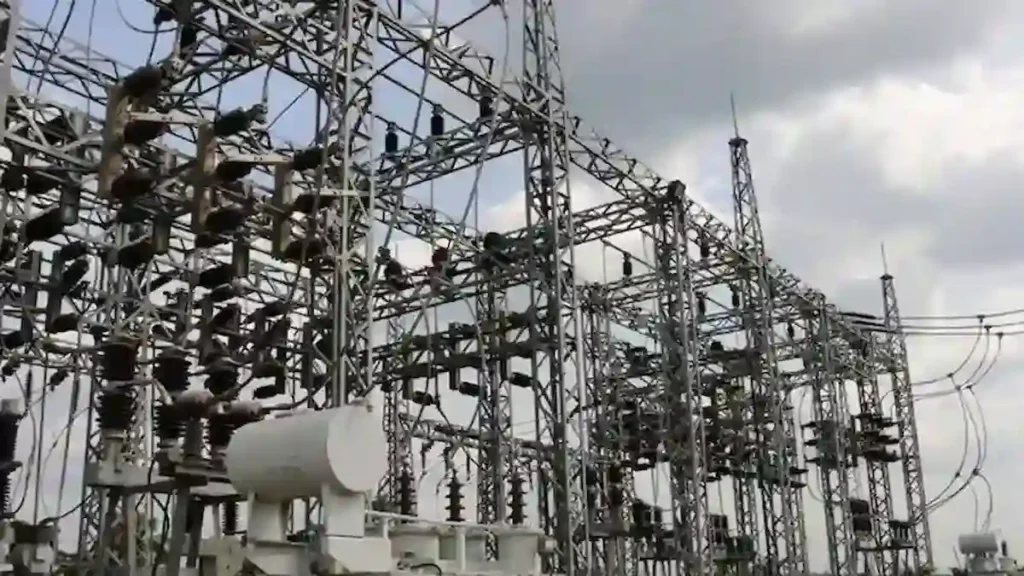
Nigeria’s power problems run deep. The country’s electricity sector is tangled up in old, crumbling infrastructure, corruption, and years of mismanagement. Investment just hasn’t kept up. Most of the power comes from outdated thermal plants that break down all the time, and the national grid can’t seem to catch a break—collapses happen several times a year, usually because the system gets overloaded or something technical goes wrong.
A lot of the power plants barely operate at half their potential. Sometimes there’s not enough gas to go around. Other times, theft or poor maintenance keeps things from running smoothly. On top of that, the companies in charge of distribution—everyone calls them Discos—have their own headaches. Billing is often a mess. Electricity theft is rampant. Local infrastructure never really gets the upgrades it needs. It’s a vicious cycle, and millions of people end up sitting in the dark.
The government has tried to fix things, but the reforms haven’t really stuck. Most Nigerians don’t wait around for the grid to work anymore. They get by with generators or, if they can, solar panels just to get electricity for daily life.
How Lack of Electricity Drives Up the Cost of Living
Unreliable power hits Nigerians right in the wallet. The economy takes a hit, too. Businesses that could do well with steady electricity have to spend a huge chunk of their earnings just keeping the lights on—diesel, petrol, you name it. And it’s not just about fuel. There’s the constant hassle of repairs, oil changes, and tracking down spare parts. It all adds up, and people feel the squeeze every day.
Business owners usually cover extra costs by raising their prices, and you really see this in places like cold storage, welding, printing shops, digital businesses, and hotels. Take cold rooms and supermarkets, for example—they burn through a lot of diesel just to keep frozen food from spoiling. That expense lands right on the customers’ laps.
These days, plenty of companies bump up their service fees just to stay afloat, and, honestly, regular Nigerians end up footing the bill. It doesn’t stop there. Transport, food, electronics, fashion, health care—you name it, everything gets pricier, and that just keeps pushing up the cost of living in Nigeria.
Bottom line: electricity poverty isn’t just some abstract problem. It hits both businesses and families, directly and indirectly, making it harder for everyone to get by.
Why Nigeria Has Electricity Problems in 2026
Nigeria’s electricity supply is still shaky in 2026. The main reasons haven’t changed much—old infrastructure, not enough power plants, and a system that’s just not efficient. Even after years of supposed reforms, the national grid can’t keep up with all the people and businesses that need power.
One big problem here is that electricity generation just hasn’t caught up with how fast the population and the economy are growing. Too many people, not enough power to go around. So, most folks deal with regular outages and blackouts, and the electricity that is available needs to be spread thin.
Today, the story’s the same: most households and businesses rely heavily on generators or have switched to alternatives like solar so they can actually keep the lights on.
Nigeria Power Supply Issues in 2026
The national grid still drops the ball. It’s unstable, breaking down or overloading all the time. The transmission lines—meant to take electricity from the power stations to people’s homes and work—are weak and, honestly, pretty unreliable.
Even when power gets generated, a lot of it never makes it to where it’s supposed to go. Technical faults and old wiring gobble up a chunk of that electricity, which means people in some areas get a trickle of power while others get none at all.
At the same time, people’s demand for energy keeps climbing, but the supply just isn’t keeping pace. So, it’s a constant struggle for reliable electricity no matter where you live.
Causes of Power Failure in Nigeria
A few main things keep causing blackouts across Nigeria:
First, the infrastructure’s ancient. Upgrades? They rarely happen. Power plants and lines aren’t running at full capacity—sometimes they’re not even close.
Then you’ve got gas shortages. Since a lot of Nigeria’s power stations run on gas, any hiccup in supply and the electricity output takes a direct hit.
Maintenance is another weak spot. Equipment breaks down all the time, and fixes are slow. That’s often because of budget issues or just plain logistics.
And let’s not forget about overloads. When everyone tries to use electricity at once, the grid can’t handle it, so it just shuts off—sometimes all over the country.
Electricity Crisis in Nigeria
This electricity crisis isn’t new. But with energy demand going up, and the economy squeezing everyone’s wallets, it’s even more obvious now. Businesses are stuck pouring cash into fuel for generators just to keep running.
It hits every sector—factories, shops, hospitals, and tech firms all take a hit in productivity and profits. Small businesses especially feel it; high energy bills chew up their margins.
For families, the crisis means unreliable lighting, limited appliance use, and spending more money on backup options—mostly generators, and now, solar.
Why Electricity Is Unstable in Nigeria
You just can’t count on the power here. Even when electricity is flowing, it isn’t spread out evenly and could drop off at any time.
The roots of the problem lie in the weak transmission network. A lot of electricity gets lost before it ever reaches homes and businesses.
On top of that, Nigeria hasn’t invested enough in updated energy tech. Modern grids? Other countries have them. Nigeria is still working with gear that should’ve been replaced a long time ago.
So, day to day, people have to deal with outages, flickering lights, and voltage swings.
Rise of Solar Energy in Nigeria
Because the national grid is so unreliable, more people have turned to solar in 2026 than ever before. Households and businesses are installing solar panels to cut their reliance on the grid, sidestep high fuel prices, and avoid constant generator repairs.
Solar power’s become a real alternative—especially where power outages are common or last half a day (or longer).
Prices for solar equipment like panels, batteries, and inverters have dropped lately, making it possible for many more people to make the switch. That’s pushed a wave of Nigerians—families and business owners alike—to look at renewable energy as a long-term fix.
If you want to find out what switching to solar actually costs, check out our guide on solar panel prices in Nigeria (2026). We break down the latest market rates so you know what to expect.
Solar energy gives you a solid, clean alternative, helping you sidestep rising fuel prices and constant generator repairs. It’s a lifesaver in places where power cuts happen often—or drag on for hours.
Planning to install solar? Take a look at our guide on installation costs in Nigeria. It covers everything: the panels, batteries, inverters—so you get the full picture on system pricing.
Lately, prices for panels, batteries, and inverters have dropped a lot. That’s made solar more affordable and accessible, pushing more people—homeowners and businesses alike—to try renewable energy.
Small businesses stand to gain the most with well-sized systems. Want to see real examples? Our 2026 solar system cost guide for small businesses in Nigeria has them.
Nigeria’s still dealing with unstable electricity, so solar is set to become key in closing the gap and boosting energy independence nationwide.
One more thing: don’t waste money on avoidable mistakes. Before buying, read our “5 costly solar installation mistakes in Nigeria guide.
Author

John Tanko is the founder of Top Solar Picks and a solar energy researcher whose work has been featured in leading technology and sustainability publications. Learn more on our About page.