
The best solar water pump for most people in 2026 is the Grundfos SQFlex because of its reliability, excellent efficiency, and ability to operate directly from solar panels without batteries attached. if you on a tighter budget, ECO-WORTHY is an excellent alternative for deep wells. Here’s what stands out for 2026:
- Grundfos SQFlex — Best Overall
- ECO-WORTHY — Best Budget Deep Well Pump
- ACOPOWER — Best for Gardens
- Solatec — Best Solar Pond Pump
- Sanco — Best for Farm Irrigation
Best Solar Water Pumps of 2026 (Quick Comparison)
| Solar Water Pump | Best For | Pump Type | Flow Rate | Max Head | Why We Recommend It |
|---|---|---|---|---|---|
| Grundfos SQFlex | Deep wells & large farms | Submersible | 5.7 GPM | 820 ft | Best overall performance for demanding off-grid water systems and agricultural use. |
| ECO-WORTHY | Budget deep well systems | Submersible | 3.2 GPM | 230 ft | Affordable and reliable option for homeowners, cabins, and small farms. |
| ACOPOWER | Garden irrigation | Submersible | 360 GPH | 20 ft | Great for small irrigation systems, raised gardens, and livestock tanks. |
| Solatec | Ponds & fountains | Surface | 160 LPH | 24 in | Simple plug-and-play solar pond pump for backyard water circulation. |
| Sanco | Livestock & medium farms | Surface | 600 GPH | 40 ft | Strong balance of power, durability, and value for everyday farm use. |
Some pumps handle deep wells and big farms, while others are perfect for smaller setups—like gardens, ponds, or keeping livestock watered. Honestly, it all comes down to how much water you need, how high the pump has to lift it, and whether you want the whole system running completely off-grid. So, here’s a look at the top solar water pumps for different needs and budgets.
This guide on solar water pumps was last updated by John Tanko on July 22, 2026, to ensure accurate and up-to-date information for homeowners, farmers, and off-grid users.

Why You Can Trust Top Solar Picks
We spend our time researching solar products so you don't have to. From solar panels and batteries to water pumps, inverters, and portable power stations, every guide is written to help you understand what actually works before you spend your money.
Learn more →Solar pumps are making a splash for farms, gardens, livestock, and off-grid homes. They give you dependable water without pricey grid power. Whether you’re dealing with deep wells on rural land or just want to keep the backyard pond moving, solar-powered pumps in 2026 are smarter and cheaper than ever.
What Is a Solar Water Pump?
A solar pump is powered using power from sunlight, It grabs energy from the sun and uses it to move water, sometimes there’s a controller or inverter, depending on how fancy the setup is. The advanced versions might even throw in batteries, so the pump keeps working through cloudy days or after dark.
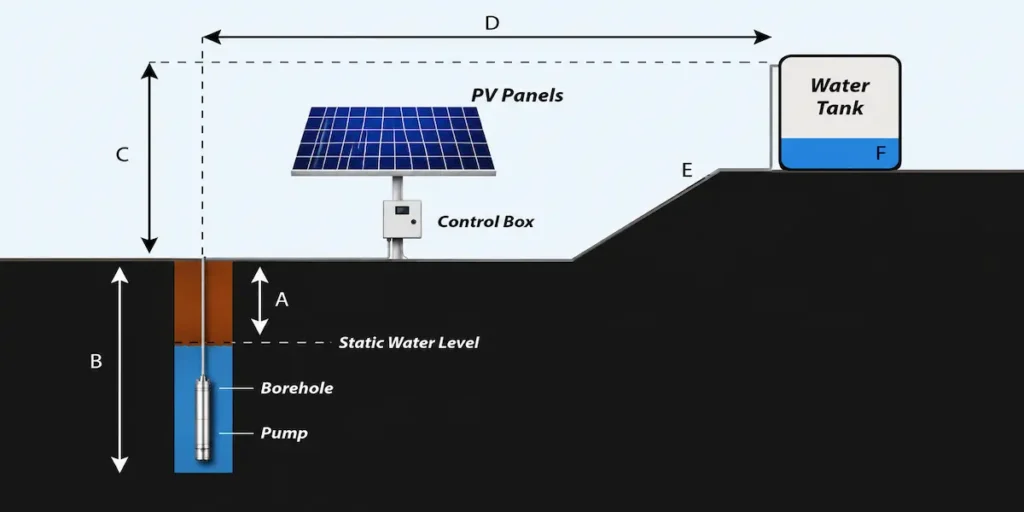
Because they run on renewable energy, off-grid water pump are great for rural areas where electricity’s patchy or expensive. Farmers love them for watering crops and livestock; homeowners use them for drawing well water and cutting energy bills. It’s pretty simple: you get reliable water without worrying about the power going out, and you save money at the same time.
Why use a solar powered pump?
Selecting a solar powered pump has several other benefits beyond environmental considerations. For one thing, in the long term, you save on electricity. Solar pumps run on free power from the sun, and the expense of maintaining them is usually minimal due to the minimal amount of mechanical components. The pumps prove useful in distant or rural locations where power from the main grid is not present or is not reliable.
They also give peace of mind. In times of power outages as well as power shortages, your solar pump continues to function, giving you uninterrupted use of your water. For agricultural consumers, it can mean the difference between a successful harvest and crop loss.
Best Solar Water Pump for Irrigation
Farmers and gardeners need solid irrigation to keep their crops and plants thriving. The best solar water pump for irrigation delivers a steady flow and has enough pressure to spread water where it’s needed—fields, gardens, drip systems, you name it. These solar pumps are lifesavers in rural places where electricity just isn’t available. They use solar panels for power, so farms and gardens get reliable watering without worrying about bumping up their electric bills.
Solar Well Pump for Deep and Shallow Wells
A solar well pump pulls water up from underground sources like deep wells or boreholes. Submersible solar pumps do the job well since they run efficiently even at big depths. If you’re picking one out, pay attention to the maximum head height and how much water you’ll need each day. That way, your system keeps up with the demands—whether it’s for home or farm.
Solar Powered Water Pump for Farm Use
A solar powered pump on the farm covers all kinds of needs—irrigation systems, livestock watering, and crops. Lots of farmers stick with solar pumps, especially in remote spots, because they’re a reliable off-grid solution. If you size your solar panels right, your pump will run strong all day, and you won’t be stuck with high energy bills.
Solar Pump for Pond and Garden Applications
Solar pumps for ponds are straightforward and eco-friendly. They keep the water moving in garden ponds, fountains, and fish tanks. That circulation boosts oxygen and helps cut down on algae. Small solar pond pumps are quick to install and require little upkeep, so they fit perfectly in backyard gardens.
Now let’s break down each solar water pump in detail so you can see exactly where it performs best, what it’s good at, and where it may not be the right fit.
Best Solar Water Pumps Reviewed (2026)
Picking the right solar water pump really comes down to where you want to use it. Some are built for deep wells and big farms—others fit ponds, livestock tanks, gardens, or small irrigation jobs. After digging into flow rates, lifting power, durability, and real performance off the grid, here are the solar water pumps that stand out for 2026.
Best Budget Deep Well Pump
ECO-WORTHY Solar Deep Well Pump Kit
ECO-WORTHY’s deep well pump is one of the best affordable options for homeowners, cabins, remote farms, and anyone running a water system off the grid. It lifts water well from deep wells but doesn’t chew through much energy. Since you get a controller and solar parts with the kit, setting it up is way easier than starting from scratch.
- Type: Submersible
- Flow Rate: 3.2 GPM
- Max Head: 230 ft
- Price Range: $489–$899
- Best For: Deep wells, cabins, farms, off-grid homes
Pros:
- Great value for the price
- Reliable for off-grid setups
- Handles deep wells well
Cons:
- Lower flow rate compared to high-end pumps
- Not made for big commercial farms
Best Solar Pond Pump
Solatec Solar Fountain Pump
If you’re just trying to keep water moving in a backyard pond or fountain, the Solatec solar fountain pump gets the job done for very little money. It’s a simple fix for birdbaths, fish ponds, and small garden water spots without bumping up your electric bill.
- Type: Surface Fountain Pump
- Flow Rate: 160 LPH
- Max Head: 24 inches
- Price Range: $15–$25
- Best For: Ponds, fountains, birdbaths
Pros:
- Super affordable
- Easy to set up—just plug and go
- Low-maintenance
Cons:
- Not built for irrigation
- Limited pumping strength
Best For Garden Irrigation
ACOPOWER Submersible Pump Kit
ACOPOWER’s submersible pump kit is a solid pick for smaller gardens, livestock tanks, or backyard watering projects. It’s compact, and the battery support means you get steady water even if the sunlight’s spotty.
- Type: Submersible
- Flow Rate: 360 GPH
- Max Head: 20 ft
- Price Range: $150–$250
- Best For: Gardens, fish tanks, drip irrigation
Pros:
- Good for small irrigation jobs
- Has battery backup
- Compact and easy for beginners
Cons:
- Not made for deep wells
- Doesn’t push a lot of water for big projects
Best Overall Solar Water Pump
Grundfos SQFlex
When it comes to big farms and heavy-duty pumping, the Grundfos SQFlex is tough to beat. It shines for deep wells and keeps efficiency high. It’s pricey, but many people see it as the gold standard for serious, off-grid water setups.
- Type: Submersible
- Flow Rate: 5.7 GPM
- Max Head: 820 ft
- Price Range: $2,900–$3,600
- Best For: Large farms, commercial irrigation, deep wells
Pros:
- Outstanding deep well power
- Top-notch reliability for commercial use
- Handles rough farm conditions
Cons:
- Very expensive
- You probably need a pro for install
Best for Livestock & Medium Farms
Sanco Solar Pump Kit
The Sanco solar pump kit hits a good spot between price and power. It’s a smart pick for watering livestock, running medium farms, or daily irrigation. You get steady performance, and maintenance is easier than wrangling with big commercial systems.
- Type: Surface Pump
- Flow Rate: 600 GPH
- Max Head: 40 ft
- Price: $400 – $600
- Best For: Livestock, irrigation, medium farms
Pros:
- Good mix of value and performance
- Reliable enough for daily farm chores
- Simple maintenance
Cons:
- Can’t lift water from really deep wells
- Surface pumps need some weather protection
After comparing performance, durability, pricing, and real-world off-grid use, we ranked these solar water pumps based on what actually works best in real conditions—not just manufacturer specifications.
Each recommendation is matched to a specific use case so you can quickly find the right pump for your setup.
How to Choose the Right Solar-Water Pump
Consider what style of water source you have. Deep wells will typically require the use of high head-capable submersible pumps. From shallow ponds or storage tanks, however, the use of a surface pump may be sufficient. Make your selection match your application for optimal performance.
Explore the latest solar deals and discounts on trusted brands like Bluetti, EcoFlow, ECO-WORTHY, and Jackery. Browse solar generators, panels, and accessories at great prices.
View DealsYou must also calculate your daily requirement for water. This allows you to choose the appropriate pump model with the correct flow rate in terms of gallons or liters per minute. Equally important is matching the pump with the correct solar panel capacity. An underpowered panel will not be enough to generate enough power, particularly on days of low sunlight.
Consider if you need a battery backup or controller. Day-only systems only operate in direct sunlight, but battery systems operate in the evening or on cloudy days. This is needed for all-day requirements like watering animals.
And last but not least, pay attention to build quality. Stainless steel cases, brushless motors, and weather-proof encasements usually translate into extended performance.
What Size Solar Water Pump Do You Need?
Choosing the right solar water pump is not just about buying the most powerful model. The correct size depends on how much water you need every day, how far the pump must lift the water, and whether the system will run only during the day or with battery backup.
For small gardens or drip irrigation systems, a lower-flow solar pump is usually enough. These smaller pumps work well for backyard watering, ponds, and raised garden beds where water demand stays relatively low. Livestock systems and medium-sized farms often need stronger pumps with higher flow rates to keep water moving consistently throughout the day.
Deep well systems are different because head height becomes extremely important. A pump pulling water from 100 to 300 feet underground needs enough lifting power to maintain stable water pressure. In these situations, submersible solar pumps usually perform better than surface pumps.
Solar panel sizing also matters. A pump paired with undersized solar panels may struggle during cloudy weather or early mornings. Many off-grid homeowners and farmers choose systems with battery backup so water remains available even after sunset.
In real-world use, reliability matters just as much as raw power. A properly sized solar water pump can run for years with minimal maintenance while helping reduce electricity costs and dependence on grid power.
Related Solar Guides
- How Many Amps Does a Solar Panel Produce? (100W, 200W, 400W Examples)
- Are Solar Panels Still Worth It in California 2026? Real Airbnb Case Study Shows $4,500 Savings Before Tax Credit Ends
- Do Solar Panels Increase Home Value in 2026? Yes – Here’s Exactly How Much ($15K–$29K on Average)
- How to Choose the Best Inverter and Battery (Complete 2026 Guide)
- How Many Solar Panels to Charge a 200Ah Lithium Battery
- Is Solar Worth It in 2026? Real Payback Math for Homeowners
- Solar Panels Calgary Homeowners: What to Know Before You Install
- Solar Panel Dimensions & Space Calculator: Plan Your Solar Setup Easily
What to Look for When Buying
Start by knowing what your water demand is. How much are you actually going to pump and how far does the water need to go? That will provide the head height and the amount of flow rate you should be targeting. Then check if the product has the solar panel and controller. All-in-one kits are easier to manage for novices.
The second important factor to consider is build quality. A well-built solar powered water pump has better durability and will be less demanding in terms of maintenance. Compatibility with other batteries or controllers is also something worth your time if you want uninterrupted water supply.
Frequently Asked Questions
Can a solar water pump run continuously?
Yes, but only if it receives enough sunlight or has a battery installation. If it does not have a storage capacity for energy, it will shut down at dusk.
What maintenance is required for solar water pumps?
Minimum. Clean the solar panels to achieve maximum efficiency, and check the filters and electrical connections every few months.
Can solar water pumps be trusted for farming?
Yes. If properly sized, they can be extremely reliable. The majority of farmers have switched over to solar pumps due to their economic advantages and independence.
Can I install a solar water pump myself?
Yes. Most kits are pre-packaged for do-it-yourself installation and include instructions. Provide safe wiring and appropriate orientation of the solar panels.
Installation Tips
Install true south-facing solar panels in the northern hemisphere and at an angle your latitude will dictate in order to receive optimum sunlight. Locate the pump in some type of shaded area in order not to overheat. Use waterproof wiring and connectors for durability.
Selecting the optimal solar water pump is not about obtaining the lowest-cost option. Rather, it’s about understanding your application, measuring real-world demands, and obtaining a product of high quality that will operate well in your conditions. Whether for your farm, irrigation system for your garden, or aquatics for your pond, a solar power water pump will save you money and lower your dependence on non-renewable energy. There are more models available today than ever, but it’s easier to pick the ideal one for your use if you’re aware of what you’re looking for.
This rich-in-human review guide, loaded with real-use tips and reviews of actual products, is intended to guide your decision. In an era where green technology is becoming ever-more popular, an efficient solar panel powered water pump will not only do its job for you today but prove invaluable in the years to come.
Conclusion
The best solar water pump depends on your water source, daily usage, and installation setup. If you need the most powerful all-round option for deep wells and large farms, the Grundfos SQFlex remains the top performer due to its extreme lifting capacity and commercial-grade reliability.
For budget-friendly off-grid systems, ECO-WORTHY offers strong value for homeowners, cabins, and small farms without sacrificing essential performance.
If your goal is simple water circulation or light irrigation, smaller systems like Solatec and ACOPOWER are efficient, low-cost solutions that work well for ponds, gardens, and small livestock setups.
In the end, the most important factor is not just the brand—but choosing the correct flow rate, head height, and solar power capacity for your specific use case. When properly sized, a solar water pump becomes a long-term, low-maintenance solution for reliable water delivery in 2026 and beyond.
Author

John Tanko is the founder of Top Solar Picks and a solar energy researcher whose work has been featured in leading technology and sustainability publications. Learn more on our About page.