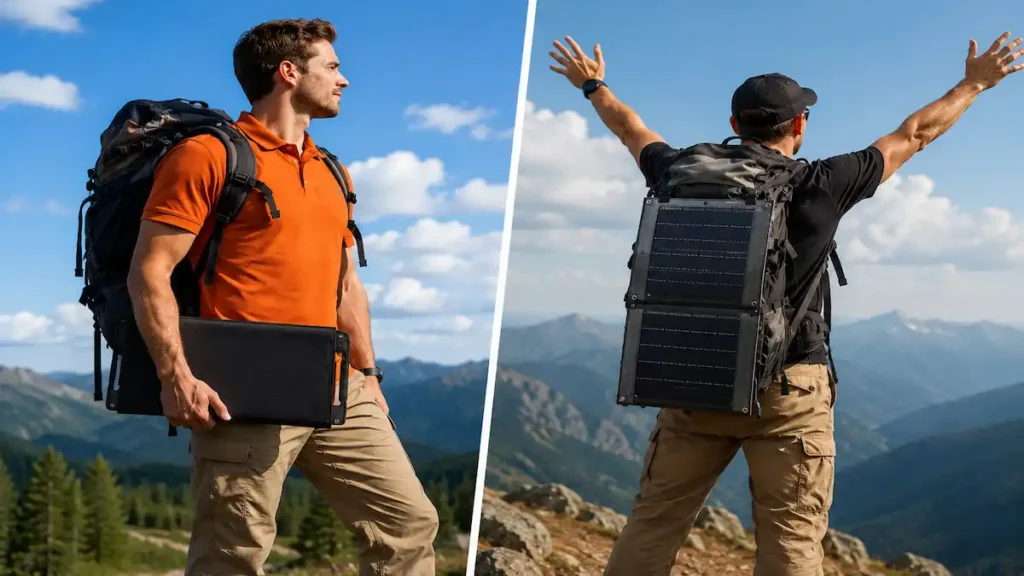
Choosing the right portable solar panel isn’t as easy as it used to be. Today there are dozens of options promising faster charging, higher efficiency, and better durability. But after comparing the most popular portable solar panels on the market, four brands consistently stood above the rest: Jackery, EcoFlow, Bluetti, and ECO-WORTHY.
In this guide from Top Solar Picks, we’ll compare these four leading brands, explain where each one excels, and help you decide which portable solar panel is the best fit for camping, RV travel, emergency backup, and off-grid living. We’ll also cover how portable solar panels work, what size you need, and the features that actually matter before you spend your money.
What is the best portable solar panel?
EcoFlow sits at the top of our list. It blends great efficiency, sturdy construction, fast charging, and works well with just about any portable power station out there. If you want the best for camping, go with Jackery. For RVs, Bluetti’s our pick. And if you’re working with a tight budget, ECO-WORTHY offers the strongest value for budget buyers.
Our Top 4 Portable Solar Panel Picks for 2026
After comparing the most popular portable solar panel brands on performance, portability, durability, and overall value, these four stood out. Each excels in a different category, making it easier to choose the right panel for your camping trips, RV adventures, home backup, or DIY solar projects.
| Brand | Best For | Why We Recommend It |
|---|---|---|
EcoFlow
Editor's Choice | Best Overall | Superb solar efficiency, solid build, quick charging, and wide compatibility with portable power stations. |
Jackery
Top Camping Pick | Best for Camping | Easy to carry, lightweight, and reliable—perfect for anyone new to portable solar at a campsite. |
Bluetti
RV Favorite | Best for RVs | Strong power output and expandable systems—ideal if you own an RV, a cabin, or want dependable backup power at home. |
ECO-WORTHY
Best Value | Best Budget | Affordable, dependable, and a smart choice for DIY enthusiasts or first-time buyers. |

Why You Can Trust Top Solar Picks
We tested these panels using six key factors: efficiency, durability, portability, compatibility, weather resistance, and overall value. We dove into specs, warranties, product details, and—most important—real user feedback to pick our top four brands for this guide.
Learn more →What Is a Portable Solar Panel?
A portable solar panel is a compact solar unit you can carry around. Regular home panels stay fastened to your roof; these ones fold up (often into a briefcase shape), have handles, and are much lighter. Inside are photovoltaic cells that turn sunlight into electricity. You can use that electricity to charge stuff directly or store it in a power station or battery for later.
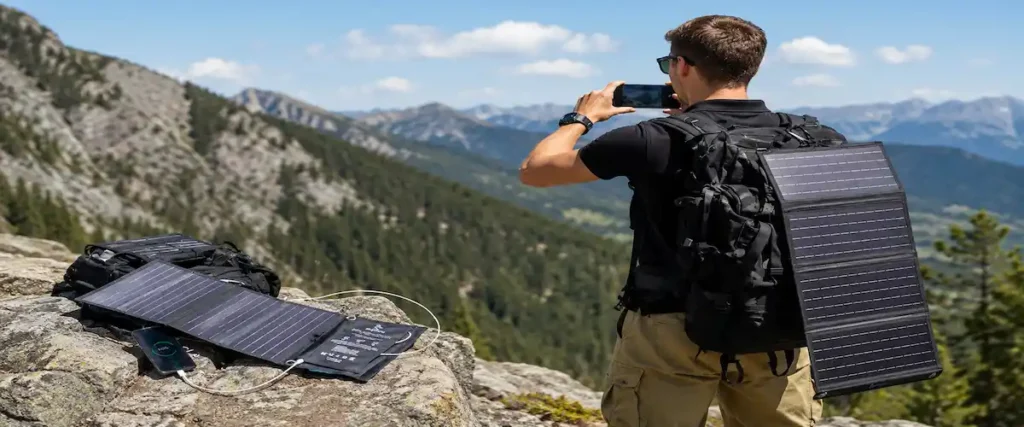
Today’s portable panels mostly use monocrystalline solar cells—they’re more efficient and handle rough weather. Some premium models even have protective coatings like ETFE, so they hold up against water, dust, scratches, and UV rays.
People use portable solar for camping, RVs, off-roading, fishing, boating, cabins, emergency power, disaster relief, outdoor worksites, or full-on off-grid living. Flexibility is the big appeal. You just unfold the panel, aim it at the sun, and you’re making power almost anywhere.
Plus, they’re quiet—unlike traditional generators. No fumes, no fuel, no regular maintenance. That’s a big deal on the road or in the middle of nowhere.
How Do Portable Solar Panels Work?
It’s simple, really. Sunlight hits the panel’s solar cells; the cells’ silicon material gets zapped by photons, creating an electric current that travels through the wiring.
Here’s the flow:
Sunlight → Solar Cells → DC Power → Power Station or Battery → Inverter → Your Devices
Because there’s no fuel burning, these things make clean, quiet energy.
Why Are Portable Solar Panels Getting So Popular?
The tech has come a long way. Old panels used to be heavy, inefficient, and slow to charge. Now, the best ones are lighter, more durable, and can convert over 22% of sunlight into usable power. Families see their electricity bills climb and weather get weirder, so plenty are turning to portable solar for emergencies. Campers and hikers want to recharge far from crowded campgrounds. Lots of folks just like having backup power that doesn’t rely on gas.
And for anyone who cares about their environmental impact but isn’t ready for a full rooftop setup, portable panels are an easy win. The market’s booming, so manufacturers are making better—and more affordable—options every year.
Where Can You Use Portable Solar Panels?
One of the greatest strengths of portable solar panels is their versatility.
Going camping? You’ll have power for lights, food, your phone, and even a small fridge. RVers use these panels so their batteries stay topped up without plugging in at a site. Boaters keep their navigation and lighting working by charging onboard.
For campers, a foldable solar panel provides reliable electricity for lights, cooking equipment, smartphones, cameras, and portable refrigerators while enjoying nature.
RV owners frequently use portable solar panels for RV travel because they allow batteries to recharge throughout the day without connecting to campground power. This makes extended off-grid adventures much more practical.
Boaters often deploy portable panels to maintain onboard batteries while anchored or docked, helping power navigation equipment, lighting, and communication devices.
Homeowners increasingly keep portable solar panels as part of their emergency kits. During storms or unexpected blackouts, pairing a panel with a portable power station can keep essential devices running without the noise and fumes of conventional generators.
They’re a hit for job sites, disaster response, photographers in the field, and anyone going off-grid for a while. That’s why portable solar is catching on so quickly.
This wide range of applications explains why portable solar panels have become one of the fastest-growing categories in renewable energy.
Are Portable Solar Panels Really Worth Buying?
For a lot of people, the answer is yes—though it really comes down to how you want to use them. If your main goal is cutting your home’s electricity bills by going solar, rooftop panels are still the smarter long-term move.
But if you care about being mobile, having backup power, or you’re into off-grid adventures, portable solar panels bring a kind of flexibility that permanent systems just can’t provide.
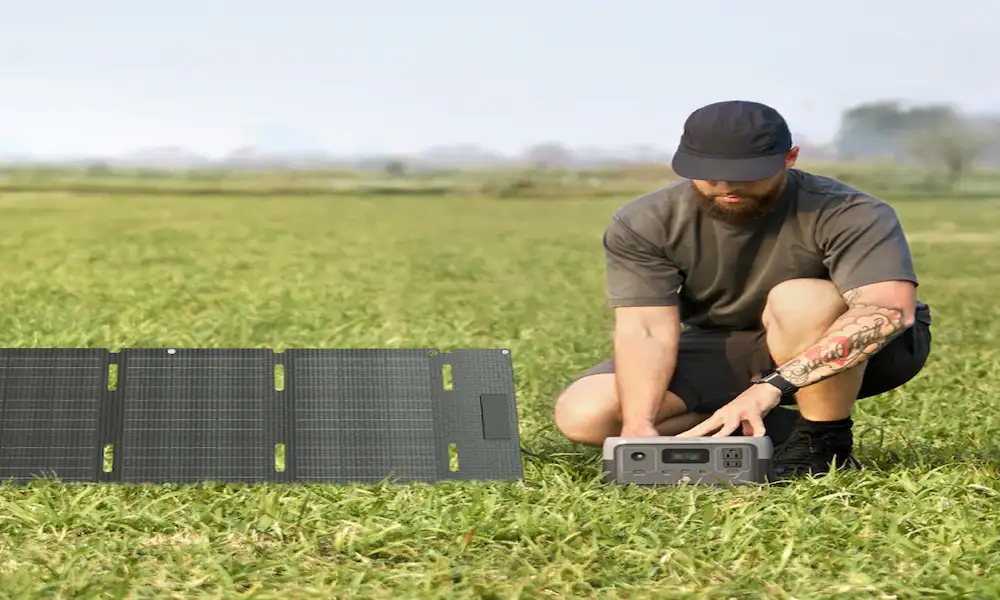
A good portable solar panel, treated right, can keep going for more than ten years. Since there aren’t any moving parts, you don’t have to do much to keep them working—just clean them sometimes and store them properly, and they’ll stay efficient.
Pair one with today’s high-capacity portable power stations and you’ve got a solid source of renewable electricity almost anywhere there’s sunlight.
That mix of convenience, reliability, and clean energy is why so many outdoor lovers and homeowners pick up portable solar tech every year.
Related Posts
EcoFlow, Bluetti, Jackery, and Eco-Worthy: Best Solar Panel Brands in 2026
Compare leading portable solar and power storage brands based on performance, reliability, and value.Solar Energy Advantages and Disadvantages: 2026 Breakdown
A clear look at the real benefits and limitations of solar energy for homes and businesses.How Many Solar Panels Do You Need to Power a House?
Learn how to estimate panel requirements based on energy use, home size, and location.Off-Grid Solar System: How It Works and What You Need to Know
Understand off-grid solar setups, including batteries, inverters, and system sizing basics.
Advantages of Portable Solar Panels
One huge reason these panels are so popular is that they give you clean, renewable electricity as long as the sun’s shining. Whether you’re heading out for a camping trip or dealing with unexpected power outages, portable panels are a practical alternative to noisy, fuel-powered generators.
Portability stands out first. Unlike rooftop panels that need a pro installer, portable ones fold up, fit in your car, and set up in minutes. Great news if you’re always on the road or love getting outside.
Then there’s the silence. Gas generators are loud—you can’t ignore that. But portable solar panels run quietly, with no engines, no moving parts, so you can enjoy the outdoors and not ruin the peace.
They’re also cheap to run. Sunlight costs nothing. Once you’ve bought your panel, that’s basically it—no fuel, no oil changes, no maintenance headaches. Over time, that saves you real money.
Modern portable panels can take a beating, too. Top models use ETFE-coated monocrystalline cells that resist rain, dust, scratches, and UV rays. With some care, quality panels can keep powering up for twenty years or more.
For emergencies, these panels are a big help. Storms or long blackouts? You can use them to keep portable power stations charged so you don’t lose power for your phone, lights, Wi-Fi, medical equipment, or even a small fridge.
A lot of folks also choose solar for the environment. Solar energy doesn’t pump out greenhouse gases, making it one of the cleanest power sources out there.
At Top Solar Picks, most people tell us just how much they love the convenience—being able to produce power pretty much anywhere is something you can’t get from traditional sources.
Disadvantages of Portable Solar Panels
Still, portable solar panels aren’t perfect, and knowing what they can’t do helps you figure out if they’re right for you.
The biggest snag: they need sunlight. Like all solar gear, they just don’t work as well on cloudy days, in heavy rain, or if something’s blocking the sun. Even though the best panels handle low light better, they can’t completely beat bad weather.
Charging speed can also be an issue. A 100-watt portable panel can top up your phone quickly, but refilling a large power station takes hours, and it depends on your battery size and how much sun you’re getting.
The upfront price isn’t always easy to swallow. Top brands like Jackery, EcoFlow, and Bluetti cost more than cheap no-name versions. Still, you get what you pay for—they last longer, work better, and come with stronger warranties, so they’re usually worth it.
As for storage, foldable panels definitely help, but big ones—those in the 300W to 400W range—still take up a chunk of space in your car or RV.
And remember, portable solar panels don’t produce power at night. If you need electricity after dark, you’ll need a battery or power station to store what you gathered during the day.
For most folks, these drawbacks feel minor next to the long list of benefits, but they’re important to keep in mind before buying.
Best Portable Solar Panels of 2026
Every year, the portable solar market gets bigger, but only a few brands deliver the consistent performance, toughness, and efficiency people really want.
At Top Solar Picks, we focus on brands that prove themselves—products that work well in everyday use, backed up by positive reviews, not just flashy marketing.
Here are the manufacturers that stand out as the best choices in 2026.
Jackery Portable Solar Panels
When most people think about portable solar power, Jackery jumps to mind first. Over the years, they’ve built up a solid reputation for making reliable, easy-to-use panels that feel tailor-made for outdoor escapes. Whether you’re out camping for the weekend, hiking deep into the woods, or just want a backup for your next road trip, Jackery’s SolarSaga panels have become a staple for thousands of folks.
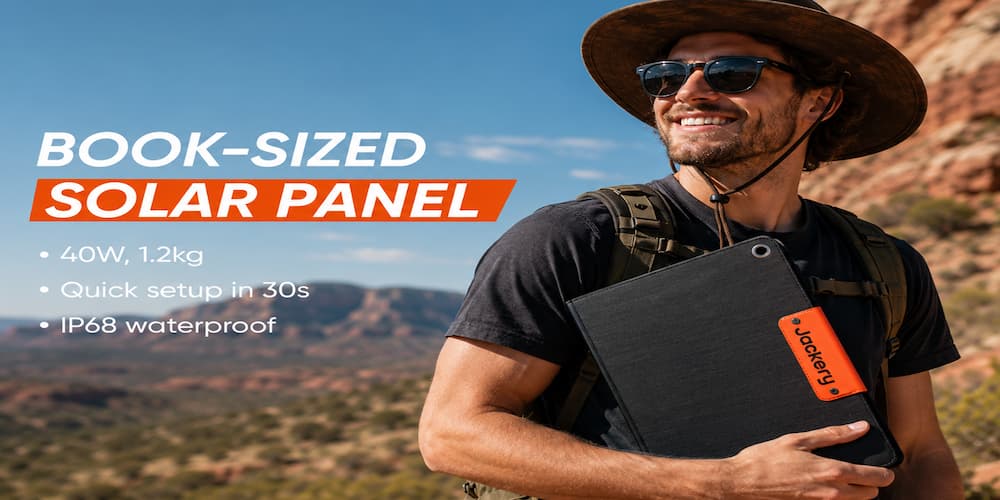
Jackery’s biggest selling point? Simplicity. Each panel folds for easy carrying and comes with built-in kickstands so you can set it up in seconds and catch the sun wherever you are. Even if you’re new to portable solar, you’ll have it running in just a few minutes. This kind of plug-and-play is exactly why Jackery is still the go-to for first-time buyers.
Performance holds up, too. The monocrystalline cells inside each panel squeeze out impressive efficiency, so your power stations recharge faster than most basic models. Pair one with a Jackery Explorer and you’re set—no complicated adapters or extra gear needed.
Of course, Jackery panels are meant for light to moderate power use. If you’re hoping to run big appliances for long stretches, you’ll find more flexibility in the beefier systems from other brands. But for camping, short getaways, and regular outdoor fun, Jackery nails the sweet spot between easy portability, solid reliability, and plain old good design.
Who Should Buy This Panel?
Jackery is a smart pick for campers, hikers, weekend wanderers, and anyone dipping their toes into portable solar for the first time. If you’ve already got a Jackery Explorer, it’s pretty much the easiest solar charging setup you can get.
Who Should Avoid It?
If you’re living full-time in an RV, running big batteries, or building a large off-grid system, Jackery’s panels might feel a bit limited compared to more powerful options built for serious energy needs.
EcoFlow Portable Solar Panels
If innovation is high on your list, EcoFlow is one of the most exciting brands out there. They’ve built their name on pushing the envelope—delivering panels with great efficiency, sturdy builds, and truly fast charging.
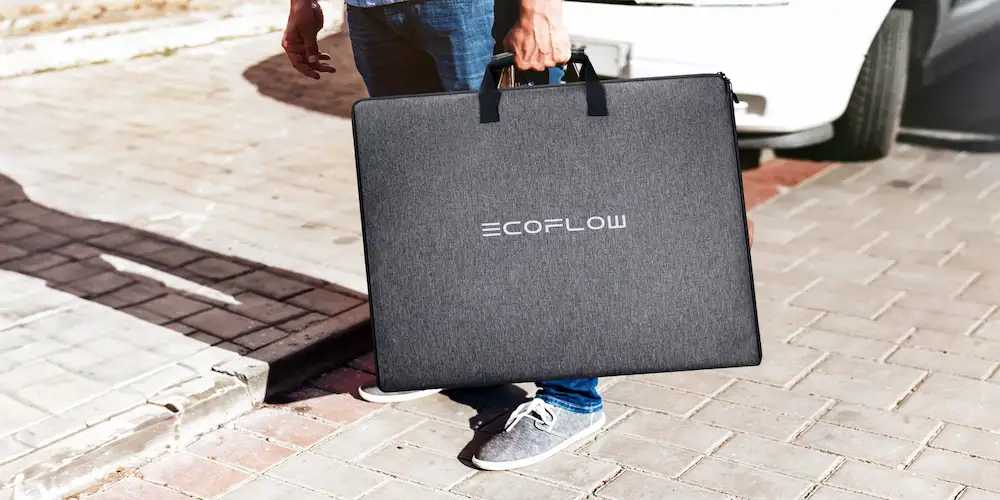
Their foldable panels come in different sizes, so there’s something for ultralight campers and for anyone looking to back up an entire house. Some high-end models even use bifacial tech, catching sunlight from both the front and the back. In good conditions, you really do notice the bump in daily energy production compared to old-school, one-sided panels.
EcoFlow truly shines when it comes to working as a full system. Their panels click right in with DELTA and RIVER power stations for one of the fastest portable charging setups around. If you’re prepping for outages, traveling in your RV, or just need reliable off-grid power, EcoFlow brings real peace of mind.
These panels are built tough, too. Durable enough for temperamental weather, yet light for their size. And yes, they cost more than entry-level brands, but the performance and premium features make it a smart spend if you need power you can count on.
Who Should Buy This Panel?
EcoFlow fits best for homeowners looking for backup power, RV travelers, digital nomads, and anyone serious about performance and fast charging. It’s the obvious choice if you already own an EcoFlow DELTA or RIVER.
Who Should Avoid It?
If you’re counting every penny or just need to top up your phone on the occasional camping trip, EcoFlow’s price tags might feel like overkill.
Bluetti Portable Solar Panels
If you need more power day-to-day, Bluetti is a heavy hitter in the portable solar world. Their PV-series panels are built to feed bigger power stations, making them a favorite with RVers, cabin dwellers, and anyone setting up a reliable backup for home.
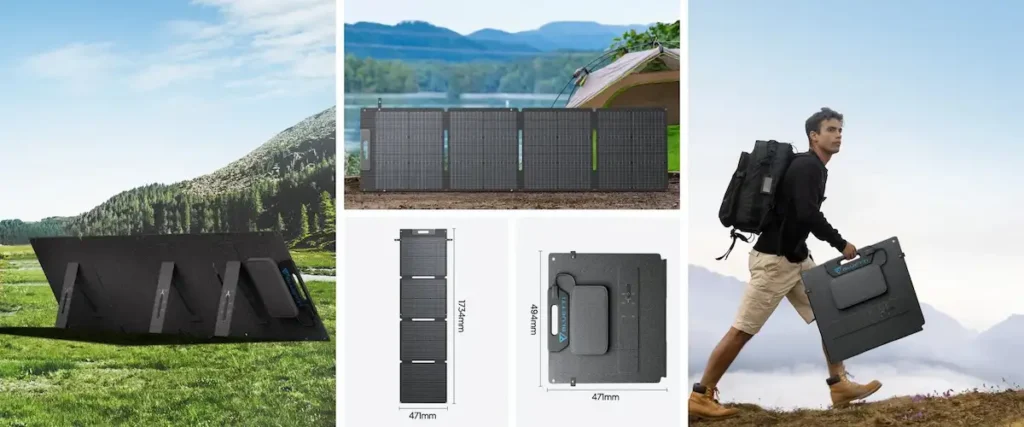
Bluetti’s build quality is no joke—these panels feel sturdy and survive outdoor life with ease. The monocrystalline cells make the most of every bit of sun, and models like the PV200, PV350, and PV420 don’t sacrifice portability for muscle.
Flexibility is a huge plus, too. Bluetti panels use standard MC4 connectors, so you’re not locked into their brand—you can plug them into all kinds of solar generators if you want to mix and match. That freedom makes them great for anyone planning to upgrade or expand down the road.
They’re bigger and heavier than some camping panels, sure, but if you’re away from the grid for long stretches, that extra output is well worth it.
Who Should Buy This Panel?
Bluetti is a smart investment for RV owners, van lifers, tiny home folks, emergency preppers, or anyone who really needs more portable power on a regular basis.
Who Should Avoid It?
If you’re mostly charging small gadgets or running a compact power station for short trips, Bluetti’s bigger panels might be more than you need—and they’ll add extra weight to your pack.
ECO-WORTHY Portable Solar Panels
Not everyone wants or needs the priciest solar panel, and that’s where ECO-WORTHY finds its niche. They’ve built their brand around practical, solid panels that won’t break the bank—perfect for newbies, hobbyists, or anyone shopping on a budget.
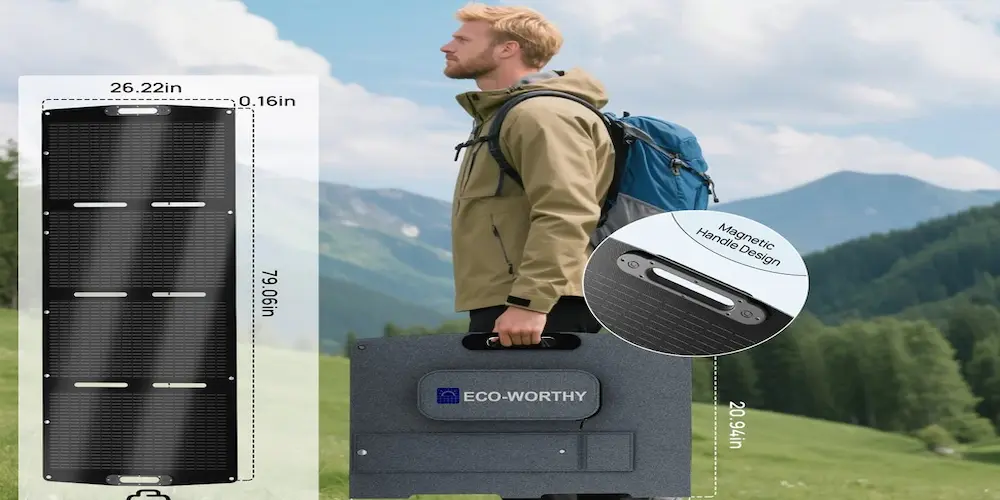
ECO-WORTHY’s foldable panels put out steady, reliable power, even if they skip over some of the fancy extras you’ll find on pricier options. You won’t get things like bifacial charging or the highest efficiency numbers, but for camping, boating, cabins, or smaller off-grid setups, they just work.
Flexibility also makes them popular, especially with people who want to tinker or build their own systems. These panels play nicely with most charge controllers, batteries, and DIY layouts, so they’re ideal for educational projects or anyone just getting started with solar.
The build quality? It’s solid for what you pay, and buyers like knowing they’re getting something dependable that doesn’t strain their wallet. For folks just stepping into the portable solar world, ECO-WORTHY really nails the balance between affordability and useful performance.
Who Should Buy This Panel?
ECO-WORTHY works best for beginners, DIYers, occasional campers, boaters, or anyone who just wants solid solar power without the premium price.
Who Should Avoid It?
If maximum efficiency, top-shelf build, or the fastest charging for big power stations is on your list, you’ll probably want to spring for a more premium brand like EcoFlow or Bluetti.
Portable Solar Panel Brand Comparison
| Brand | Best Use | Efficiency | Portability | Weather Resistance | Overall Rating |
|---|---|---|---|---|---|
| 🥇 EcoFlow | Home Backup & RV | Excellent | Excellent | Excellent | ★★★★★ |
| 🥈 Jackery | Camping | Excellent | Excellent | Very Good | ★★★★★ |
| 🥉 Bluetti | Heavy-Duty Power | Excellent | Very Good | Excellent | ★★★★★ |
| ⭐ ECO-WORTHY | Budget & DIY | Very Good | Very Good | Very Good | ★★★★☆ |
Each of these brands produces reliable products, but the best choice depends on how you plan to use your portable solar panel.
Portable Solar Panels for Camping
Camping remains one of the most common uses for portable solar panels, and it’s easy to understand why.
Modern campers rely on smartphones, GPS units, LED lanterns, cameras, drones, portable refrigerators, Bluetooth speakers, and rechargeable batteries. A portable solar panel allows you to recharge these devices without searching for electrical hookups or carrying extra fuel.
For a quick weekend getaway, a 100W or 120W panel usually does the trick if you pair it with a small power station. If you’re planning a longer trip or camping with your family, 200W to 220W panels work better, especially if you want to run things like a cooler, a CPAP machine, or several gadgets at once.
One really handy thing about portable solar panels is how flexible they are. You don’t have to park your car in the sun—just leave your car in the shade and put the panel where it’ll catch the most sunlight a few feet away.
This keeps your campsite more comfortable while maximizing energy production throughout the day.
Choosing the Right Portable Solar Panel: What Really Matters Before You Buy
Walk into any online marketplace today and you’ll find hundreds of portable solar panels claiming to be the fastest, lightest, or most efficient. On paper, many of them appear almost identical. They advertise similar wattages, comparable efficiency ratings, and attractive prices. But once you start using them outside, the differences between panels really stand out.
Some panels keep pumping out solid power all day, while others barely hit what they claim, even in good conditions. Some are tough enough to handle years of camping and rough weather, while others start looking worn out after just a few trips.
So picking the right portable solar panel isn’t just about comparing wattage or price tags. It’s about understanding how you’ll actually use it.
At Top Solar Picks, we always encourage buyers to start with their daily energy needs instead of the product specifications. A solo camper who wants to keep a phone, camera, GPS unit, and LED lantern charged has completely different requirements from an RV owner running a refrigerator, portable fan, coffee maker, laptops, and internet equipment.
For many outdoor enthusiasts, a quality 100-watt portable solar panel provides the perfect balance between portability and performance. It folds into a compact package, fits easily inside a vehicle, and generates enough electricity to recharge a small portable power station during a sunny day.
However, once you begin adding larger appliances into the equation, your energy demands increase quickly. A portable refrigerator, CPAP machine, drone batteries, or multiple laptops can easily justify stepping up to a 200-watt or even a 400-watt system. While these larger panels weigh more and occupy additional storage space, they dramatically reduce charging times and make off-grid living far more comfortable.
Instead of asking, “What’s the biggest portable solar panel I can buy?” ask yourself a much better question:
“How much electricity do I actually need every day?”
That single question often leads buyers to a smarter purchase.
Why Efficiency Matters More Than Most Buyers Realize
Many shoppers focus almost entirely on wattage, assuming a higher number automatically means better performance. In reality, efficiency plays an equally important role.
What really matters is efficiency—how much sunlight the cells actually turn into electricity. A panel with higher efficiency grabs more energy from the same amount of sunlight, which is pretty important when the conditions aren’t ideal
Few people enjoy uninterrupted sunshine from dawn until dusk every day. Clouds drift overhead. Trees cast shadows across campsites. Winter days are shorter. Morning and evening sunlight reaches the panel at lower angles.
During these conditions, high-quality monocrystalline solar panels generally outperform cheaper alternatives because they continue producing useful electricity even when sunlight isn’t ideal.
Manufacturers such as Jackery, EcoFlow, Bluetti, and ECO-WORTHY have invested heavily in improving conversion efficiency over the past several years, allowing today’s foldable portable solar panels to deliver considerably better real-world performance than earlier generations.
For most buyers, paying slightly more for a higher-efficiency panel often provides greater value over the life of the product.
Size Isn’t Everything—Finding the Right Balance
Larger portable solar panels certainly produce more electricity, but they also introduce compromises that many buyers overlook.
A 400-watt foldable panel can recharge a large portable power station much faster than a 100-watt model. That makes it an excellent choice for extended RV trips, emergency home backup, or remote cabins.
The trade-off is portability.
Larger panels weigh considerably more, require additional storage space, and can be awkward to reposition throughout the day as the sun moves across the sky.
Smaller panels, by comparison, are incredibly convenient. They unfold in seconds, fit comfortably inside most vehicles, and can easily be carried to the best sunny location around a campsite.
This is why many experienced campers intentionally choose slightly smaller systems. Although charging takes longer, the convenience often outweighs the additional power.
At Top Solar Picks, we’ve found that buyers are generally happiest when they purchase a system that matches their lifestyle instead of chasing the highest wattage available.
The best portable solar panel isn’t necessarily the largest one.
It’s the one you’ll actually enjoy using.
Can a Portable Solar Panel Replace a Generator?
This is one of the biggest misconceptions surrounding portable solar technology.
Many first-time buyers assume a portable solar panel works exactly like a fuel-powered generator. In reality, the two serve different purposes.
A gasoline generator creates electricity whenever fuel is available. A portable solar panel generates electricity only while sunlight reaches the solar cells.
That doesn’t make solar worse—it simply means it works differently.
When paired with a modern portable power station, a portable solar panel quietly stores clean energy throughout the day. That stored electricity can then be used long after sunset without fuel, engine noise, or harmful exhaust fumes.
For many homeowners, this combination has become a practical alternative for short-term power outages.
Instead of storing gasoline and fussing with maintenance, you just unfold your solar panels, recharge your battery, and keep all your essential gear running.
Honestly, it’s a cleaner, quieter, and a lot easier experience than dealing with a traditional generator for most everyday camping needs.
Common Buying Mistakes That Cost People Money
There’s one mistake that keeps popping up with first-time buyers: they pick equipment mainly because of flashy ads, not what they actually need. Some folks grab oversized systems that just gather dust, sinking hundreds of dollars into power they’ll never use. Then, you’ve got people chasing the cheapest panel—they end up with something flimsy, charges slow as molasses, or doesn’t even connect to their power station.
Missing connector compatibility trips up a lot of people, too. Portable solar panels can look pretty much the same, but their connectors aren’t universal. Before buying, you really need to check if your power station uses MC4, Anderson, XT60, DC7909, or something else. Get the wrong match and you’ll be stuck searching for adapters or fighting with a setup that just won’t work.
Explore the latest solar deals and discounts on trusted brands like Bluetti, EcoFlow, ECO-WORTHY, and Jackery. Browse solar generators, panels, and accessories at great prices.
View DealsAnother thing? Storage. A lot of buyers totally skip it. Tossing folded panels aside while they’re still damp after rain? That’s how you shorten their life. Just taking a few minutes to dry and stash your panels after each trip keeps them running strong for years.
And one more thing—don’t expect lab-level performance outdoors. Companies show off their maximum wattage using perfect test conditions you won’t get at your campsite. Real life brings clouds, heat, weird panel angles, dust, shadows—these all sap your solar panel’s real power. Knowing that sets you up for fewer letdowns.
Frequently Asked Questions
What is the best portable solar panel?
The best panels hit a sweet spot: high efficiency, tough build, easy to carry, and connect easily to popular power stations. Jackery, EcoFlow, Bluetti, and ECO-WORTHY are all solid picks for different needs.
Are portable solar panels waterproof?
Most high-end panels come weather-ready with ETFE coatings and high IP ratings, so rain is no problem. Just don’t dunk them in water.
Do portable solar panels work on cloudy days?
Yes, they’ll still pull in energy when it’s cloudy, just not as much as under a blazing sun.
Can I charge my phone directly from a portable solar panel?
A lot of panels now have built-in USB-A or USB-C ports. Plug in your phone, tablet, or camera, and you’re good to go right from the panel.
How long do portable solar panels last?
If you buy quality and take care of it, a portable solar panel can stick around for 20 to 25 years. Regular cleaning and careful storage go a long way.
What size portable solar panel do I need for camping?
For most weekend camping, 100W does the job. Running bigger stuff, like a portable fridge or CPAP? Go with 200W or more.
Are portable solar panels good for RVs?
Definitely. They’re a big deal with RVers because you get power flexibility without a permanent roof install.
Can portable solar panels charge a power station?
Absolutely. Most panels are made for that job, with connections like MC4, Anderson, XT60, or other DC inputs.
Which portable solar panel brand is the most reliable?
Jackery, EcoFlow, Bluetti, and ECO-WORTHY all get high marks. Which is “best” depends on what you need and what you’re willing to spend.
Are portable solar panels worth buying in 2026?
If you’re into camping, RVing, boating, staying prepared for emergencies, or living off-grid, portable panels are still one of the smartest buys in 2026.
Is a Portable Solar Panel Worth the Investment?
For most people, you can’t really appreciate what a portable solar panel offers until you take one on a long trip or deal with a blackout. Having your own power source—wherever you are—is hard to beat. There’s no scrambling for outlets, dragging extra batteries everywhere, or worrying about fuel. Just unfold the panel, aim it at the sun, and you’re set.
One thing stands out after comparing today’s most popular panels: there’s no single “best” choice that fits all. Campers might love Jackery for its lightweight build. RV owners often want Bluetti’s bigger batteries. EcoFlow keeps turning heads thanks to quick charging and solid engineering, while ECO-WORTHY gives buyers reliable power without breaking the bank.
At Top Solar Picks, we keep it simple—get the panel that matches your real energy needs, not just the biggest number or the lowest price. Pick wisely and you’ll have years of dependable, clean power—a smart move for campers, RV travel, emergencies, or off-grid plans.
Solar tech keeps getting better, too. Panels are lighter, more efficient, and more affordable every year. For many buyers, there’s honestly never been a better time to dive into portable clean energy.
Author