
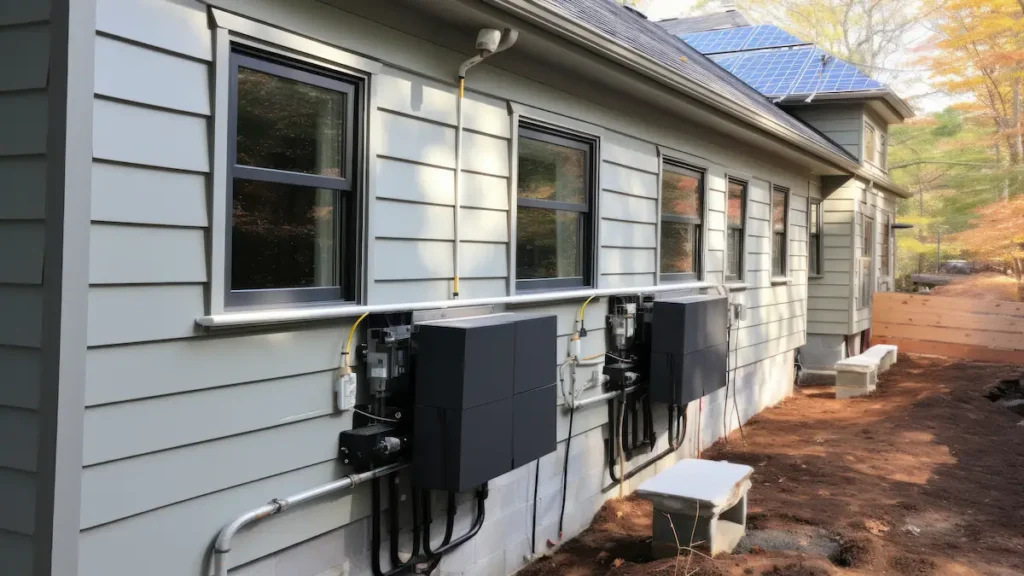
A lot of homeowners switching to renewable energy wonder: should you install solar panels or a solar battery first? Both are crucial for a modern home energy system. Panels take sunlight and turn it into electricity. Batteries hang onto any extra power, so you can use it later when the sun’s down. But if you’re starting from scratch, the choice you make first really affects your upfront costs, your energy savings, and how efficient your system will be down the road.
This guide on solar panels and batteries was last updated by Top Solar Picks on April 13, 2026, to ensure accurate and up-to-date information for homeowners, farmers, and off-grid users.
This guide compares solar panels and batteries head-to-head—looking at cost, efficiency, long-term value, and when each one actually makes sense. By the end, you’ll know which is the smarter move for your home in 2026.
If you want to understand how much electricity a panel can generate, read our guide on How Many Amps a Solar Panel Produces.
Solar Panels vs Solar Batteries: Quick Comparison
| Feature | Solar Panels | Solar Batteries |
|---|---|---|
| Main Function | Generate electricity | Store electricity |
| Average Cost | $12,000–$18,000 | $8,000–$14,000 |
| Lifespan | 25–30 years | 10–15 years |
| Best For | Reducing electricity bills | Backup power & energy storage |
| Works at Night | ❌ No | ✅ Yes |
Should You Install Solar Panels or a Battery First?
For most homeowners, installing solar panels first is the smarter investment. solar panels are usually the way to go. The moment you get them up and running, you start cutting down your electricity bill, just by using the sun’s energy. If you try installing a battery first, it only charges from the grid, which doesn’t save you nearly as much money.
Get your solar panels hooked up, then think about adding a battery down the road. That way, you can stash away extra energy during the day and use it later—at night or whenever there’s a power outage.
This is why, as of 2026, most people do it like this:
- Solar panels first → battery added later for energy storage.
It’s just more affordable up front—and you can upgrade as your needs change. A complete solar system also requires an inverter and battery storage. Learn how to choose the right setup in our solar inverter and battery guide:
What Is the Difference Between Solar Panels and Solar Batteries?
Prior to deciding which of the two is the better choice, solar or battery, we need to know how these systems function:
Solar Panels: These capture the sun and convert it into electricity to power your home. They work best on bright days and reduce monthly electricity bills significantly. However, without a battery system, any excess power generated during the day typically feeds into the power grid.
Home Batteries: These are products such as the Tesla Powerwall and LG Chem RESU that hold excess electricity from solar panels (or the grid) to be used subsequently. Convenient to have in case of high energy consumption or a power outage on the grid. Batteries help homeowners to utilize stored power when it is nighttime or during a power outage.
Are Solar Panels or Solar Batteries More Efficient?
From a budgetary perspective, the upfront investment is a massive consideration. So is solar less expensive than batteries in the year 2025?
Cost Breakdown:
- Solar Panel System (6kW–8kW): $12,000–$18,000 (after tax credits).
- Home Battery System (10–13.5 kWh): $8,000–$14,000 (installed).
While solar panels yield a faster return on investment (ROI) in energy savings, batteries are initially more costly. Battery systems do keep you safe in a power outage and also permit the storage of solar electricity to utilize later. In case you live in an area with a time-of-use rate plan in which electricity costs vary by time of day, a battery stores less-expensive solar electricity in the daytime when the sun is out and uses it when the rates go up during evening hours.
Installation costs vary depending on system size. You can see a full breakdown in our guide on solar panel installation costs:

Explore the latest solar deals and discounts on trusted brands like Bluetti, EcoFlow, ECO-WORTHY, and Jackery. Browse solar generators, panels, and accessories at great prices.
View DealsHow efficient are Solar Panels compared to Batteries?
When considering how to make an investment in battery or solar power, efficiency is a main consideration:
Solar panels: Solar panels today are 20-22% efficient on average, so they are converting that percentage of sun when it strikes a panel into electricity to power your home. In sunny areas it will significantly reduce the amount of electricity it costs.
Batteries: Batteries are roughly 85–90% round-trip efficient and lose about 10–15% of the energy in the charging and discharging process. While seemingly wasteful, it also enables a tremendous amount of energy storage to get the most out of your solar power.
Both solar and battery technologies have become more efficient over the years, but solar panels alone cannot provide energy during times when the sun is not available. That is where batteries come in, and they are a good investment to complement a solar system if you are looking for 24/7 energy independence.
What’s the Best Combination for Home Energy in 2026?
| Goal | Best Option |
|---|---|
| Lower electricity bills | ✅ Solar alone |
| Power during outages | ✅ Battery alone (or with solar) |
| Energy independence (off-grid) | ✅ Solar + Battery combination |
| Maximize ROI with incentives | ✅ Solar with tax credits |
If you are considering solar versus batteries as a means of powering the home, the decision will depend on location, energy requirements, and budget.
Is a Battery Worth the Cost with Solar?
You might wonder if it is worthwhile to add a battery system to your solar panels. This depends on a variety of things:
Location: If you reside in an area with frequent power outages or time-of-use pricing, the addition of a battery is a valuable investment.
Energy Use: Should you use a lot of electricity during nighttime hours or during peak hours, a solar battery system will let you save energy to be used in the future and avoid electricity peak tariffs.
Cost of Solar: Solar panels could become less costly by providing tax credits or subsidies. This makes it more financially feasible to add a battery.
Overall, batteries are best combined with solar to achieve maximum energy efficiency and saving in 2026.
If you’re planning to add storage, check our best batteries for off-grid solar systems:
- Best Batteries for Off Grid Solar
- Lithium vs Deep Cycle Batteries
- Best Deep Cycle Batteries
- EcoFlow Battery Review
- Eco Worthy Battery Review
- 12V Lithium Battery Review
Are Solar Panels Cheaper Than Solar Batteries Long Term?
When considering long-term value, return on investment (ROI), maintenance costs and savings are all good things to keep in mind:
Solar Panels: Solar systems are very low maintenance and will last for 25+ years if properly maintained. Panels do lose a bit of efficiency as the years go by but the money it saves accumulates.
Batteries: While batteries are highly efficient, they last for about 10–15 years and can degrade over the long run. Regular maintenance and periodic replacements contribute to the expenses.
But with solar energy, we’re still connected to and dependent on external grid electricity unless we also invest in a battery system. Solar panels and batteries typically provides the best long-term rates and autonomy.
Frequently Asked Questions (FAQs)
1. Should I install solar panels or a battery first?
For most people, solar panels come first. They start generating power from sunlight right away and cut your bills as soon as they’re up and running. You can always add a battery later to store extra energy for nighttime or outages.
2. Can a solar battery power a house without solar panels?
It can—sort of. A battery on its own just stores electricity from the grid, so you’re not really saving as much money as you would with full solar plus battery. You’ll have backup power, but the battery gets charged by the grid, not the sun.
3. Are solar batteries worth it in 2026?
If you deal with lots of outages, pay high prices during peak hours, or you really want energy independence, then yes, a battery is worth considering. They do cost more upfront, but they let you use stored solar energy when rates jump.
4. How much does a solar battery cost for a home?
Most home batteries range from $8,000 to $14,000 installed, depending on how much power you want to store and the brand you pick. Big names like Tesla Powerwall and other lithium batteries usually hold between 10 and 13.5 kilowatt-hours—enough for home backup and storing your solar.
5. How long do solar panels and batteries last?
Solar panels usually keep working for 25 to 30 years with little fuss. Batteries last about 10 to 15 years, though this depends on how often you use them, what type you have, and where you live. With time, all batteries slowly lose some storage capacity.
6. What is the best setup for home energy: solar panels or batteries?
The best combo is both. Solar panels make electricity during the day, and the battery stores anything extra so you can use it later, like at night or if the power goes out. That setup gives you more control over your energy and keeps you powered up no matter what.
Related Solar & Battery Guides
- How Many Solar Panels to Power a House (Complete 2026 Guide)
- How Many Amps Does a Solar Panel Produce? (100W–400W Examples)
- Is Solar Worth It in 2026? Real Payback Math for Homeowners
- Power Your Home with Renewable Energy
- Solar System for Off-Grid Living: The Complete 2026 Guide
- The Best Solar Panels of 2026: Tested in Real Homes
Closing Remarks: Solar or Battery — What’s Best for My Home in 2026?
The decision between a battery and solar depends on your objectives, budget, and requirements. If all you are trying to save on is utility bills, then overall solar panels alone are the best option. If, on the other hand, you require backup power, would like to go off-grid, or want to get the maximum benefit of time-of-use billing, then the addition of a battery is completely worthwhile. Lastly, a solar and battery setup offers the best of both worlds as it makes it possible to harness the power of the sun by day and save excess power to utilize when it is required. The comparison of the up-front cost, efficiency, and long term value enables you to make a decision as to which energy system is appropriate to your residence by the year 2026.
Author

Top Solar Picks is a team of solar enthusiasts and renewable energy researchers with hands-on experience testing solar generators, panels, and battery storage systems.